
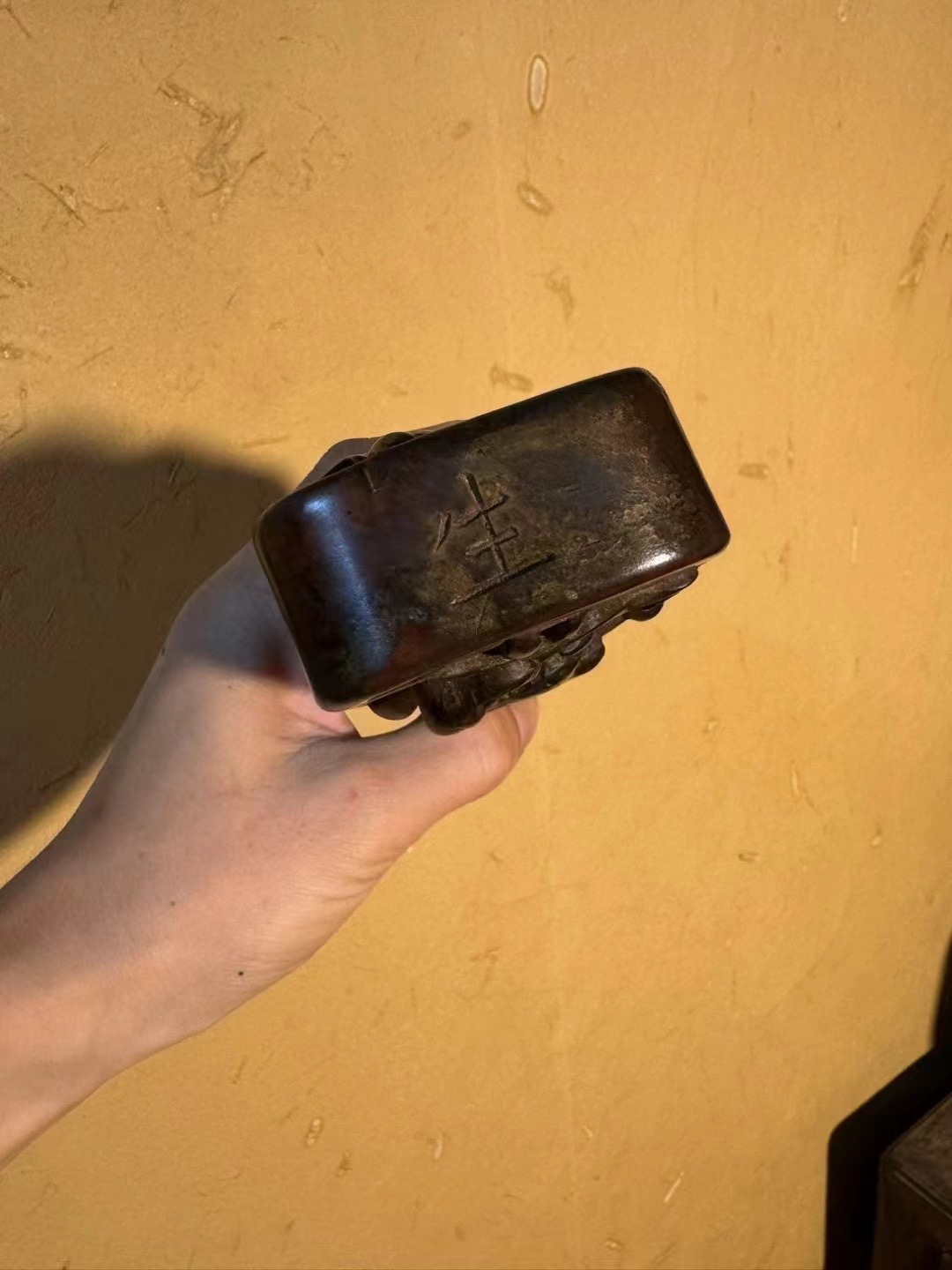
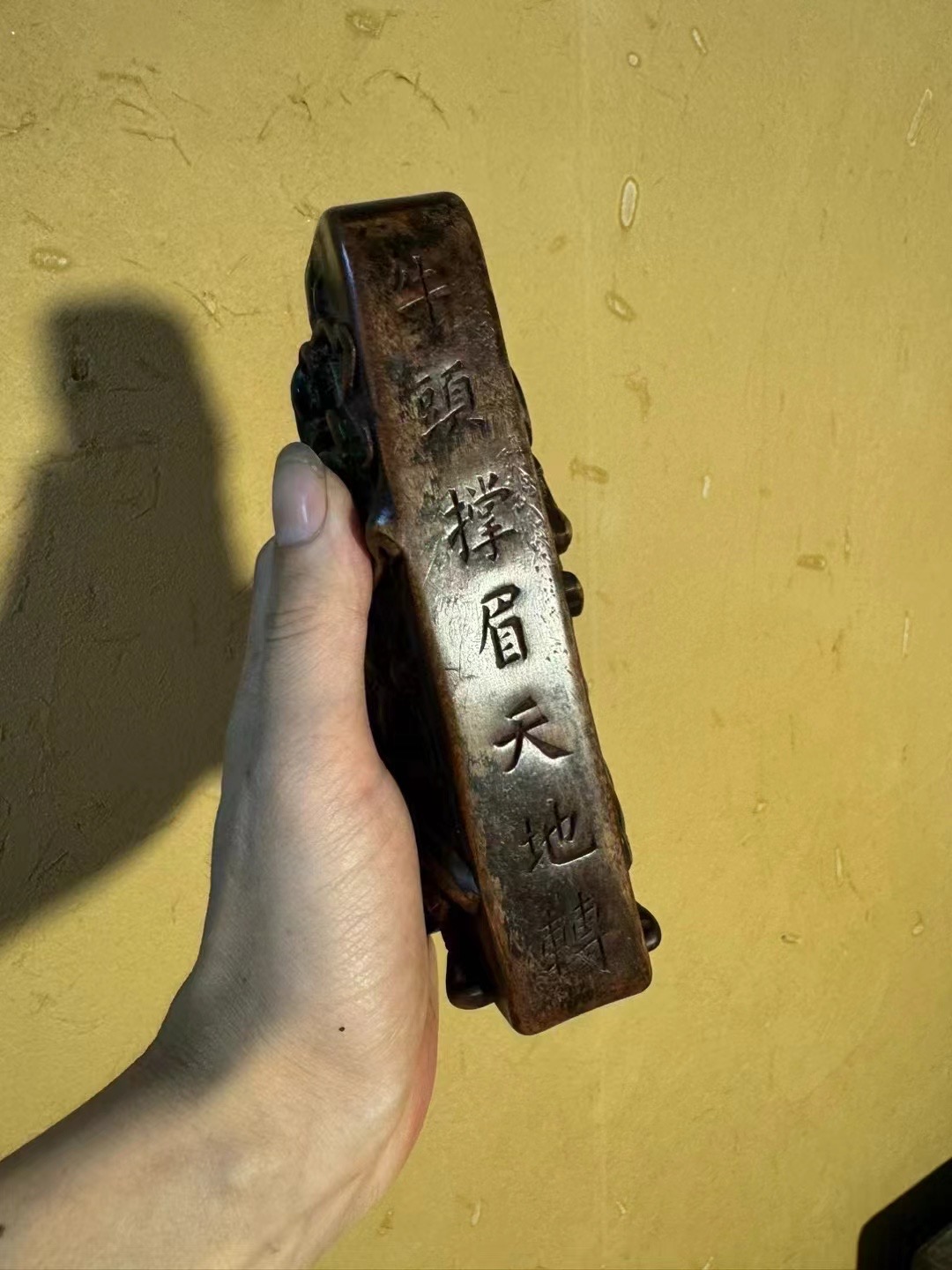
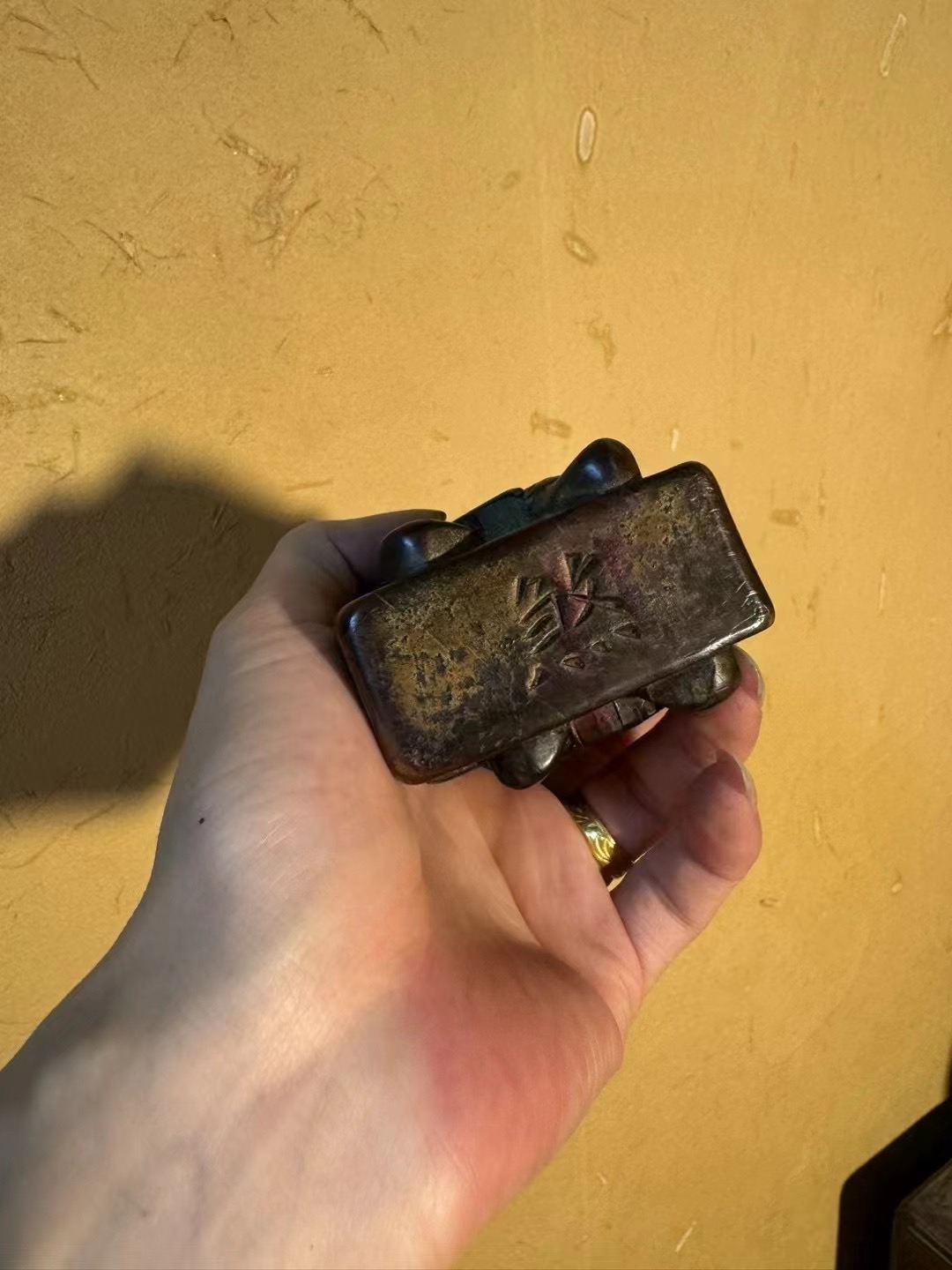
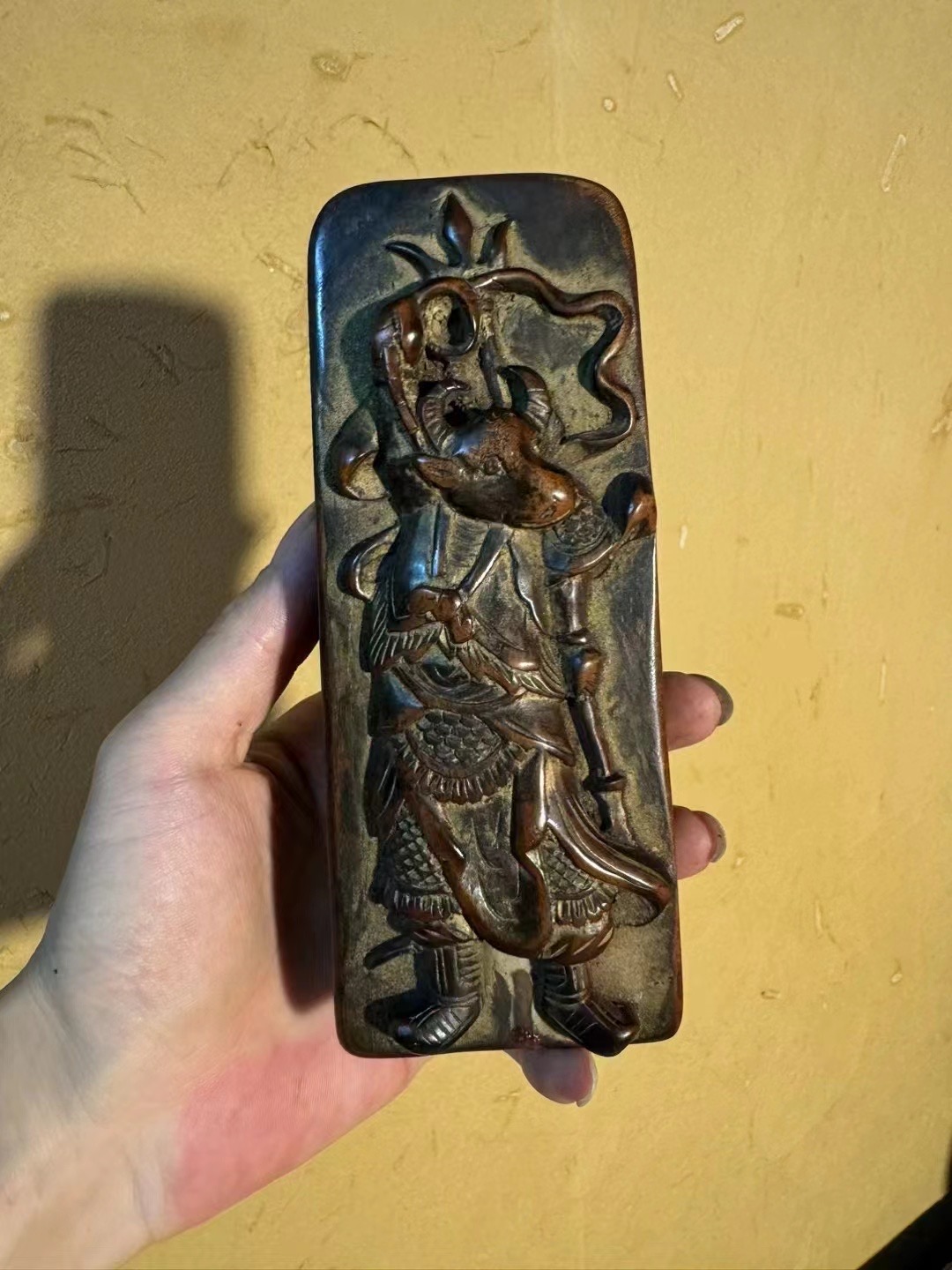
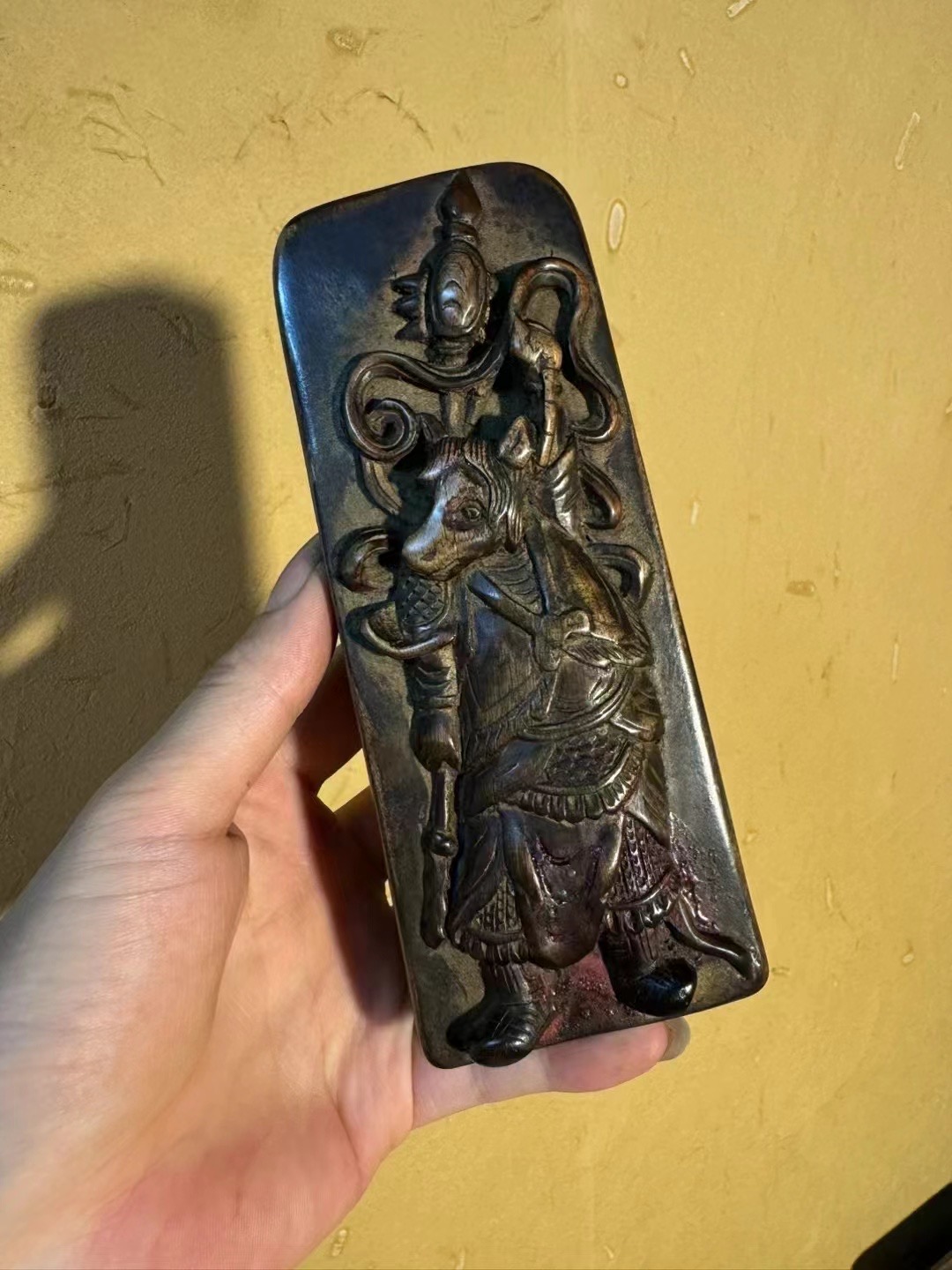
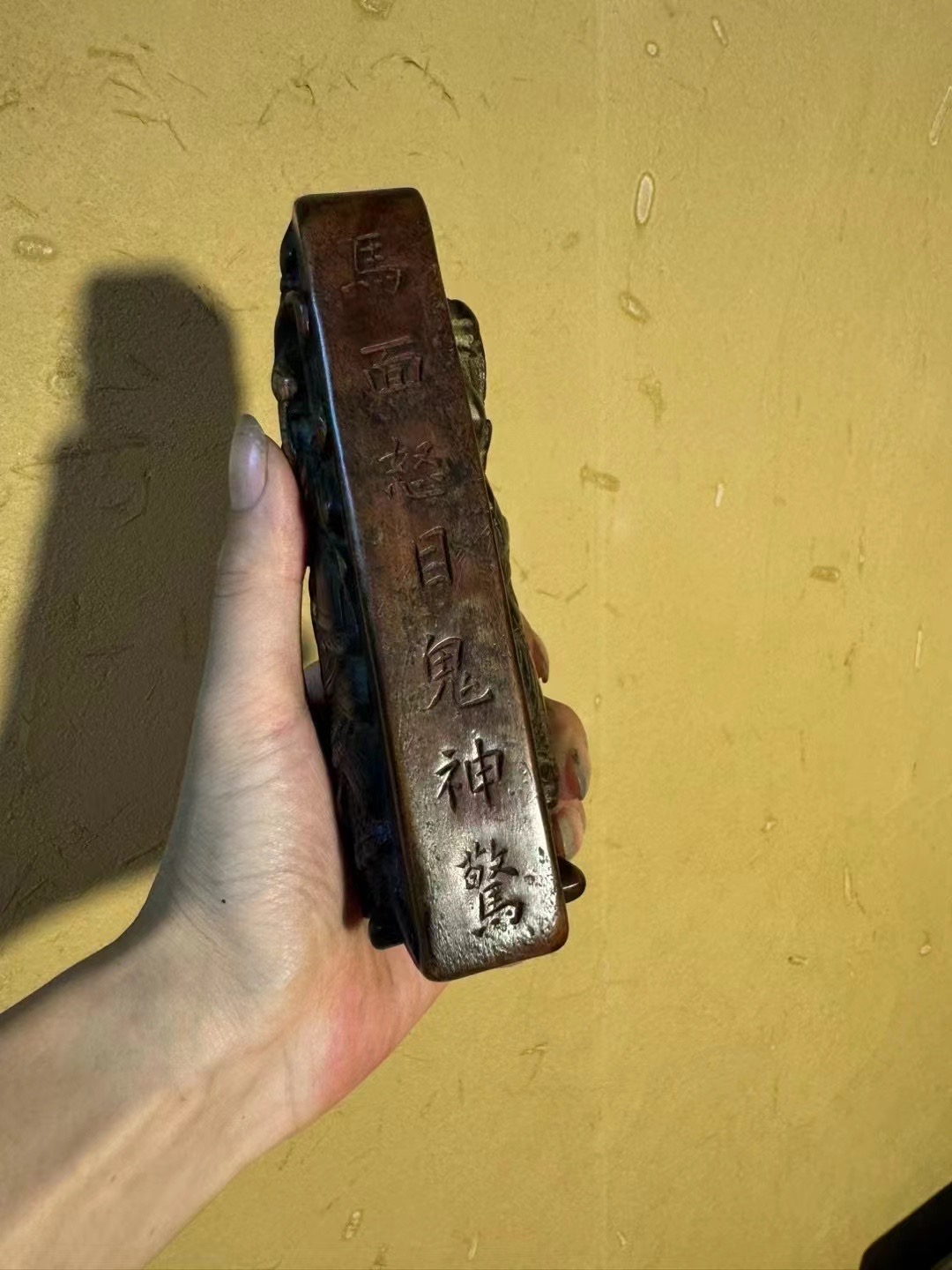
In folk beliefs, Ox-Head and Horse-Face are considered underworld deities, mainly responsible for capturing wandering souls and managing the affairs of the netherworld. The double-sided amulet is usually made of metal, wood, or jade, with one side engraved with the image of Ox-Head and the other with Horse-Face. This amulet is regarded as a powerful talisman used for exorcism, suppressing evil forces, and warding off malicious spirits.
Associations: Related to folk beliefs, religious practices, underworld deities, exorcism, and protection against evil spirits
Appearance: Made of metal, wood, or jade, with one side engraved with the image of Ox-Head and the other with Horse-Face
Usage: Blessings, exorcism, suppression of evil forces, protection against malicious spirits, etc.
Functions and Effects
The Ox-Head and Horse-Face Double-sided Amulet primarily serves the following functions and effects in folk beliefs and religious practices:
Exorcism and suppressing evil: The Ox-Head and Horse-Face Double-sided Amulet is believed to possess magical powers to dispel evil energies, subdue demons, and protect the wearer from harmful influences.
Home protection and peace: Worn or hung in a home, the amulet is thought to help expel negative energies and maintain peace and tranquility within a household.
Dispelling negative energy: This amulet is considered to have the power to dissolve negative energies, malevolent forces, and bad luck, safeguarding the wearer's good fortune and well-being.
Cultural symbolism: The Ox-Head and Horse-Face Double-sided Amulet serves as a cultural symbol of folk beliefs and religious practices, reflecting the reverence for and faith in supernatural powers.
Specific legends and origins of the Ox-Head and Horse-Face Double-sided Amulet may vary depending on regional differences, religious sects, and folk beliefs. Nevertheless, the amulet remains an essential item within folk beliefs and religious practices, holding a special position and significance.
Oxhead and Horseface (牛头马面, Niutou Mamen) are iconic figures in Chinese folklore and mythology. Known as the guardians of the underworld, they serve as guides for the souls of the dead, ensuring the smooth transition from the mortal realm to the afterlife. Their distinctive appearances and unique roles have made them deeply symbolic in Chinese culture, reflecting beliefs about death, justice, and cosmic order. This article explores their origins, legends, cultural significance, and modern-day relevance.
The origins of Oxhead and Horseface can be traced back to ancient Chinese beliefs about death and the underworld. Early references to underworld guardians appear in texts like The Classic of Mountains and Seas (Shan Hai Jing), but their specific forms as Oxhead and Horseface emerged during the blending of Taoist and Buddhist traditions in the Tang Dynasty.
Oxhead’s Symbolism: The ox represents strength, diligence, and a connection to the cycles of life and death in agricultural societies. Oxhead embodies power and protection in the spiritual realm.
Horseface’s Symbolism: The horse, symbolizing speed and loyalty, represents the swift passage of souls and the connection between the mortal world and the underworld.
As underworld emissaries, Oxhead and Horseface hold significant responsibilities:
Guiding Souls: They escort the dead from the mortal world to the underworld for judgment.
Capturing Rogue Spirits: They apprehend escaped souls or vengeful ghosts who disrupt the balance between the living and the dead.
Maintaining Order: They uphold the laws of the underworld and prevent chaos.
Oxhead and Horseface first appeared in folklore and religious texts during the Tang Dynasty. They were depicted as fearsome yet dutiful servants of King Yama, the ruler of the underworld. Some notable early stories include:
“Mulian Rescues His Mother”: In this Buddhist tale, Oxhead and Horseface escort Mulian’s mother to the underworld for punishment, showcasing their impartial enforcement of the afterlife’s laws.
“Strange Stories from a Chinese Studio”: In Liaozhai Zhiyi by Pu Songling, Oxhead and Horseface appear in several tales, capturing wayward ghosts and maintaining justice in the spirit world.
Different regions have unique stories about Oxhead and Horseface:
Henan Province: Local legends describe them as nocturnal guardians who patrol rural paths to capture runaway souls. Elders warn children not to invoke their names at night to avoid attracting misfortune.
Jiangsu Province: In some tales, Oxhead and Horseface assist the underworld judge in resolving the grievances of the dead, ensuring fairness and justice.
In Journey to the West, Oxhead and Horseface appear during the famous scene where Sun Wukong wreaks havoc in the underworld. Tasked with capturing Sun Wukong, they are ultimately outsmarted, which leads to the monkey finding and altering the Book of Life and Death. This portrayal further cemented their roles in popular culture.
Oxhead and Horseface embody Chinese beliefs in the cyclical nature of life and death. Their presence emphasizes that life is governed by order and that death is not an end but a transition, guided by cosmic laws.
As enforcers of the underworld’s laws, they ensure harmony between the mortal and spiritual realms. They not only guide the dead but also protect the living from disruptive spirits, symbolizing the balance between yin and yang.
Their iron chains and fearsome appearances are reminders of moral accountability. They represent the idea that every action in life has consequences, reinforcing the traditional belief in karma and retribution.
Oxhead and Horseface remain prominent in modern literature, movies, TV shows, and games, often depicted as menacing yet dutiful figures. Examples include:
Films and TV: In A Chinese Ghost Story and Journey to the West, they play key roles as the gatekeepers of the underworld.
Video Games: Many Chinese-themed games feature Oxhead and Horseface as powerful characters or boss enemies, bringing their mythological influence to younger audiences.
In traditional festivals, particularly the Hungry Ghost Festival, Oxhead and Horseface are invoked in ceremonies to guide wandering spirits. They are also represented in temple fairs and theatrical performances, symbolizing the connection between the living and the dead.
As symbols of Chinese folklore, their images are preserved in museums and cultural exhibitions. They serve as educational tools for understanding traditional Chinese views on the afterlife and moral conduct.
In some tales, Oxhead and Horseface assist Zhong Kui, the demon hunter, by capturing malevolent spirits. Their collaboration highlights their role as enforcers of justice in the spiritual realm.
In Liaozhai Zhiyi, Oxhead and Horseface are depicted working alongside Judge Lu, using their supernatural strength to capture and subdue ghosts that disrupt the afterlife’s balance.
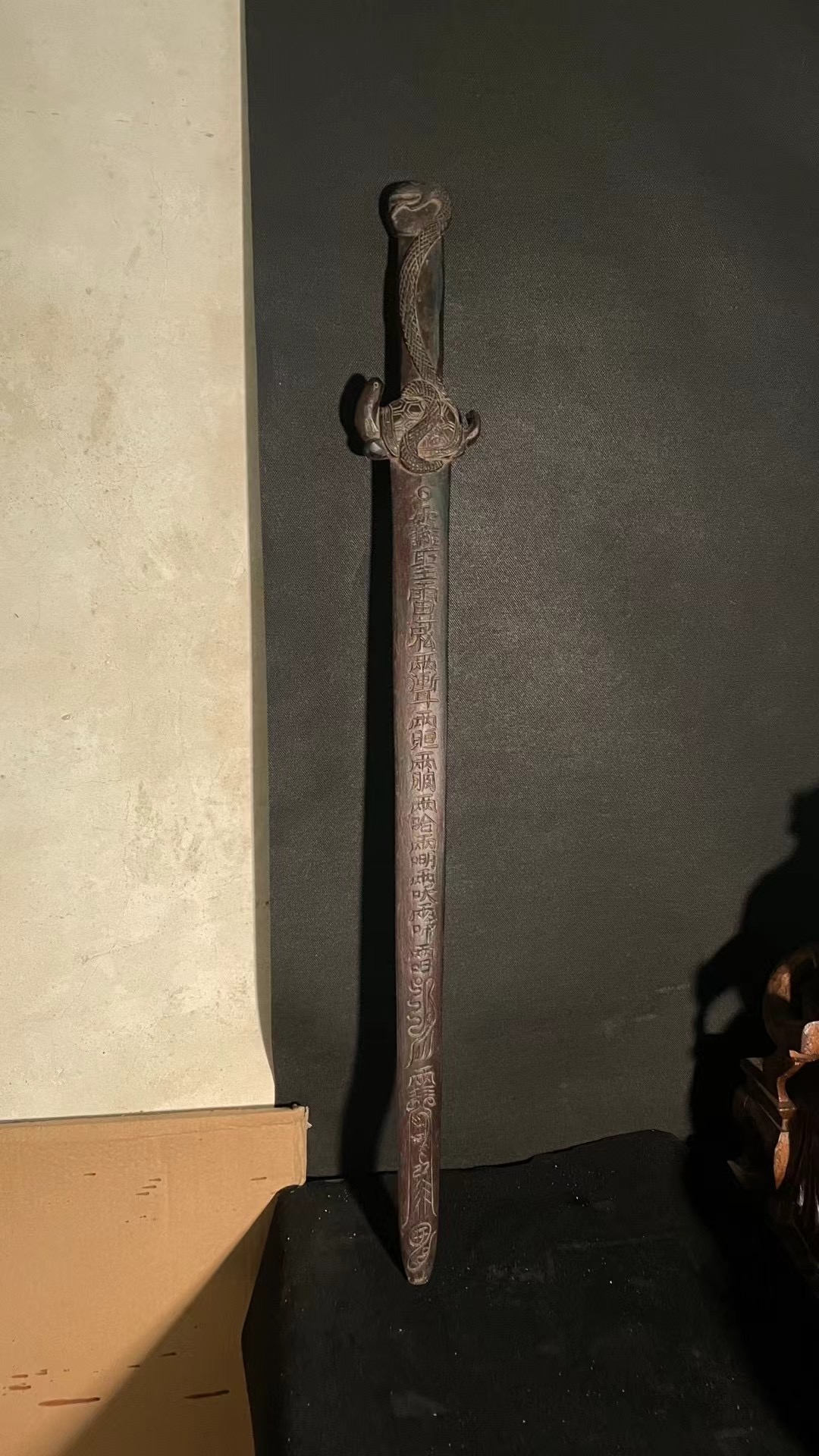
In Taoist rituals, Oxhead is often associated with the Seven-Star Sword, a symbol of cosmic power. This connection enhances his portrayal as a guardian of universal order.
Oxhead and Horseface are much more than mythological figures; they are profound symbols of justice, balance, and accountability in Chinese culture. Through their legendary stories and enduring cultural presence, they reflect traditional beliefs about life, death, and the afterlife. Whether as fearsome enforcers of the underworld or cultural icons in modern media, they continue to fascinate and educate, bridging the past and present, mythology and morality. By exploring their roles, we gain a deeper appreciation of Chinese mythology’s richness and its enduring influence on both traditional and contemporary culture.
 Inquiry
 Inquiry
 Inquiry
 Inquiry
 Inquiry
 Inquiry
 Inquiry
 Inquiry
Copyright © 2026 By Taoist Treasures
 WhatsApp