
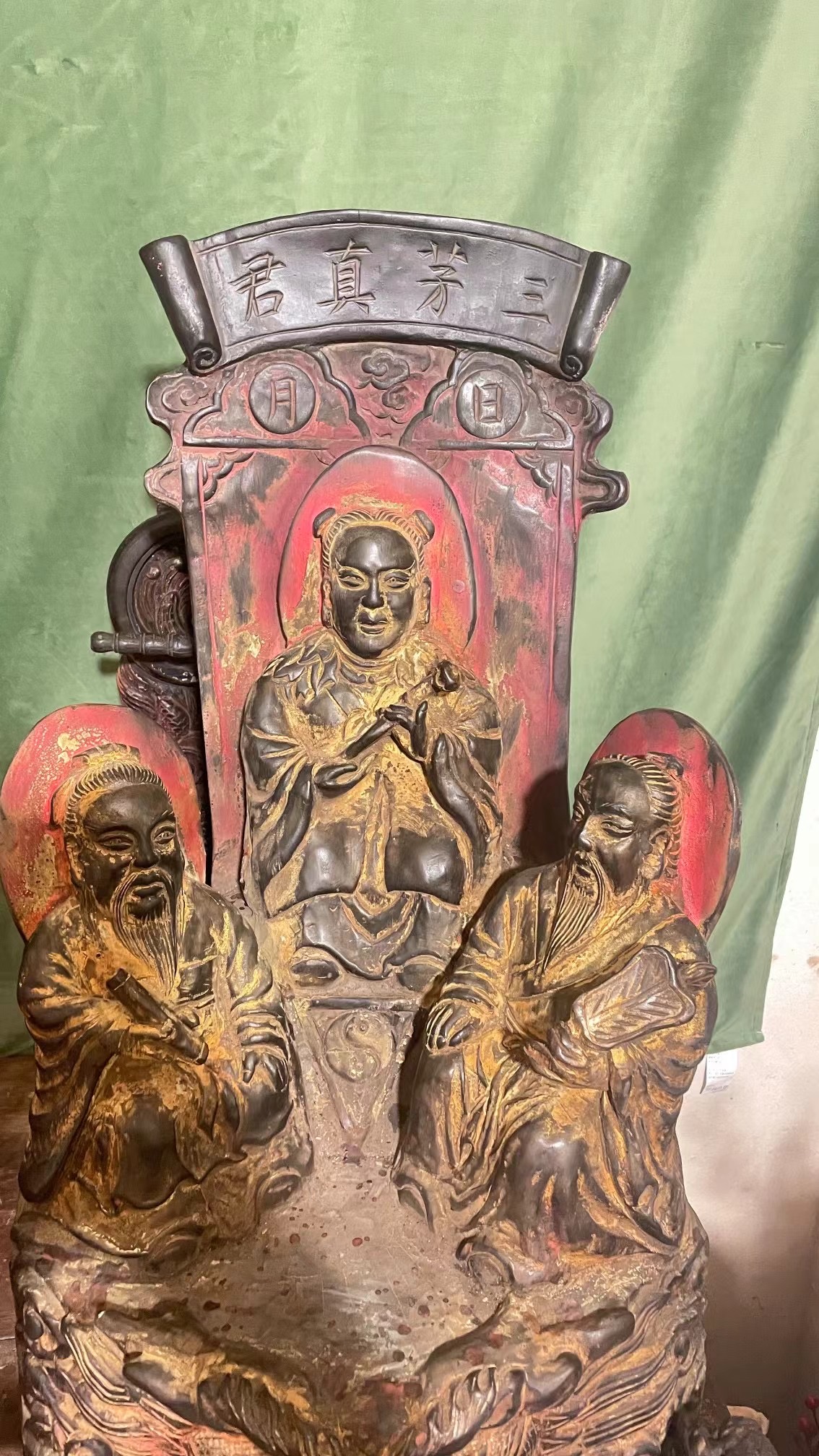
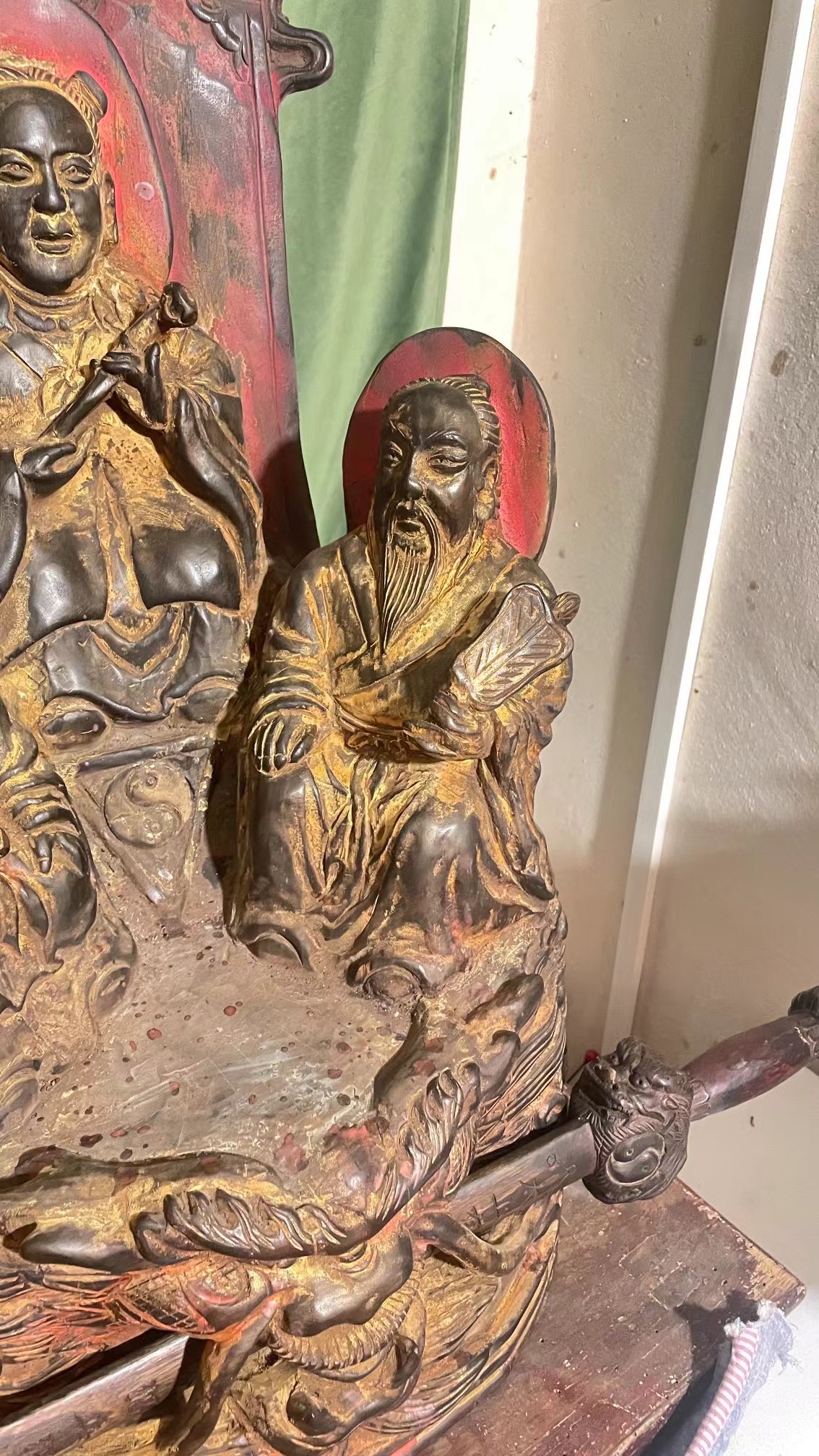
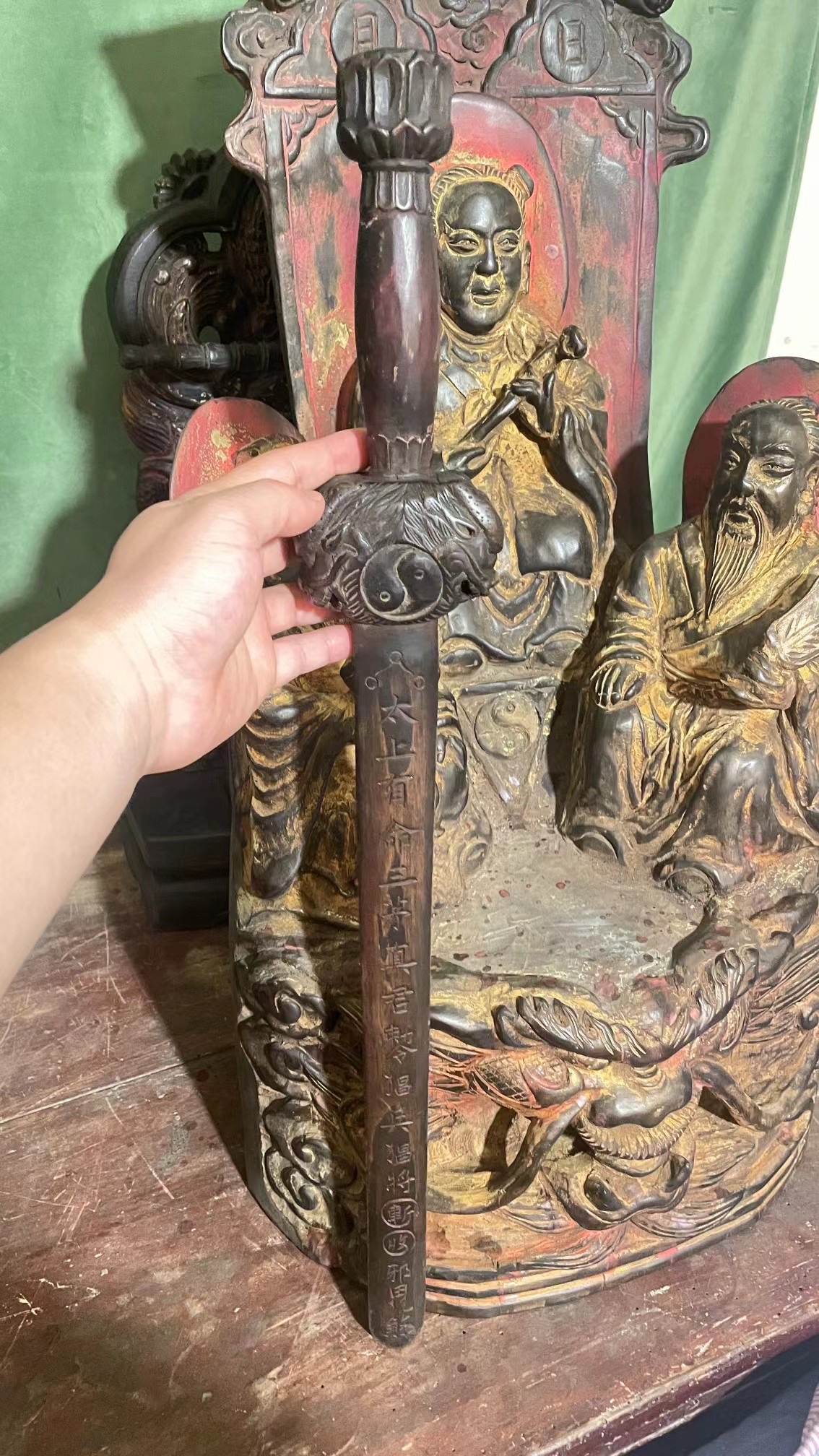
They are the Taoist founder of the Lingbao School on Mount Longhu, Maoshan Zhenjun; the Taoist founder of the Xishan School, Xianguizhen Jun; and the Taoist founder of the Donggong School, Zhaoxia Zhenjun. In Taoism, the Three Mao Zhenjun Ancestors are considered the embodiments of the Taoist doctrine, imparting the teachings, cultivation methods, and orthodoxy of Taoism.
Associations: Related to Taoism, faith, cultivation, rituals, and folk beliefs
Status: The supreme prophets and founders in Taoism, considered the representatives of the Taoist doctrine
Beliefs: Imparting the doctrines, cultivation methods, and orthodoxy of Taoism
Functions and Effects
The Three Mao Zhenjun Ancestors serve the following functions and effects in Taoist beliefs and practices:
Guiding Taoist doctrine: The Three Mao Zhenjun Ancestors are regarded as the pioneers of Taoist doctrine, imparting the Tao, esoteric books, and cultivation methods.
Sustaining faith: Taoist followers seek guidance, protection, and strength by worshipping the Three Mao Zhenjun Ancestors, solidifying their resolve in their cultivation journey.
Religious ceremonies: In Taoist ceremonies and rites, the Three Mao Zhenjun Ancestors are regarded as representatives of mysterious powers, being worshipped and revered by followers.
Cultural symbolism: The Three Mao Zhenjun Ancestors serve as significant symbols of Taoist beliefs and culture, reflecting the millennia-old reverence and legacy of the original and pure Taoist doctrine.
Specific legends and origins of the Three Mao Zhenjun Ancestors may vary depending on regional differences, Taoist sects, and folk beliefs. However, the Three Mao Zhenjun Ancestors have long maintained the most exalted status in Taoist beliefs and culture, venerated and followed by numerous Taoist believers.
 Inquiry
 Inquiry
 Inquiry
 Inquiry
 Inquiry
 Inquiry
 Inquiry
 Inquiry
Copyright © 2026 By Taoist Treasures
 WhatsApp