
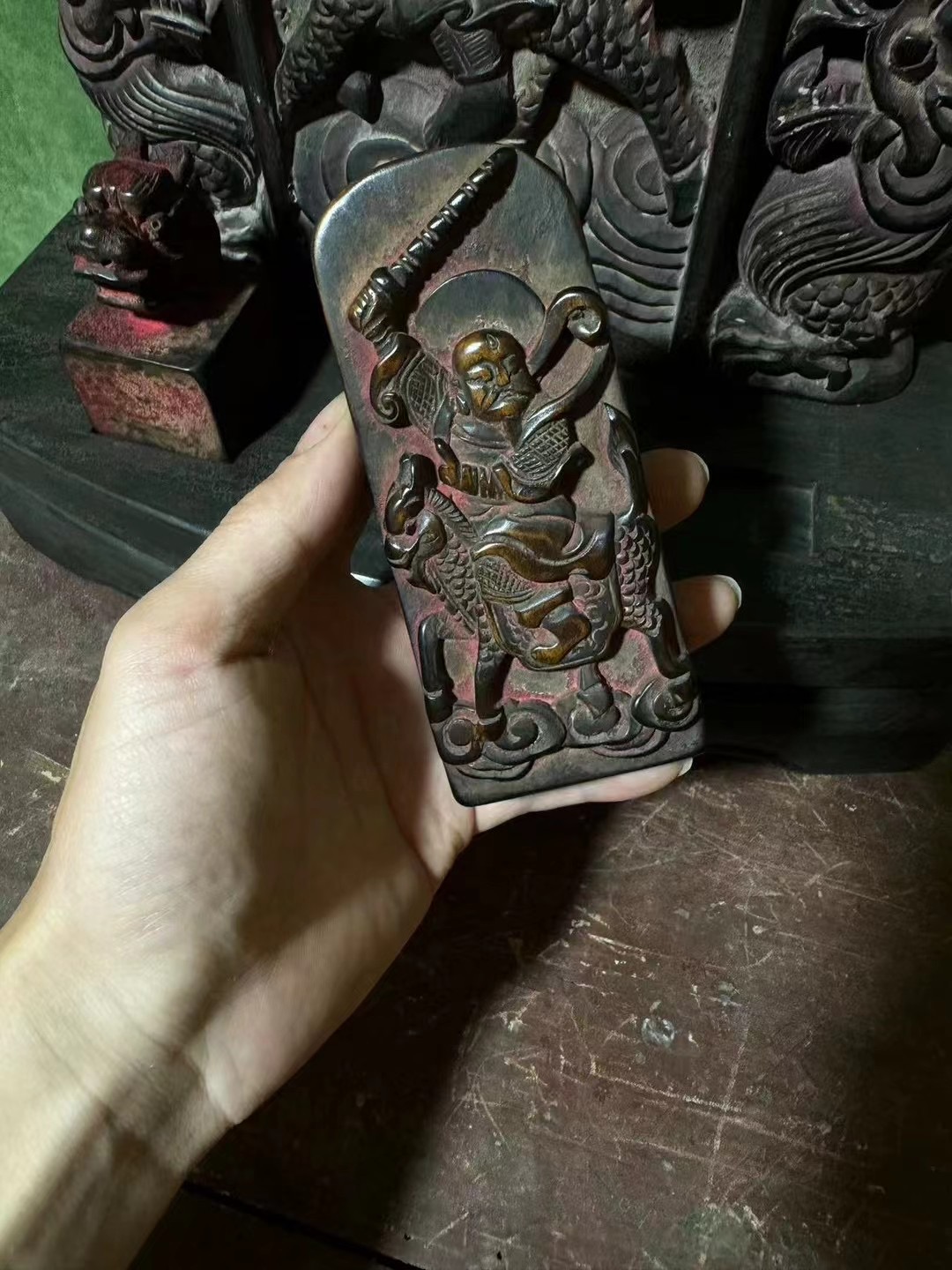
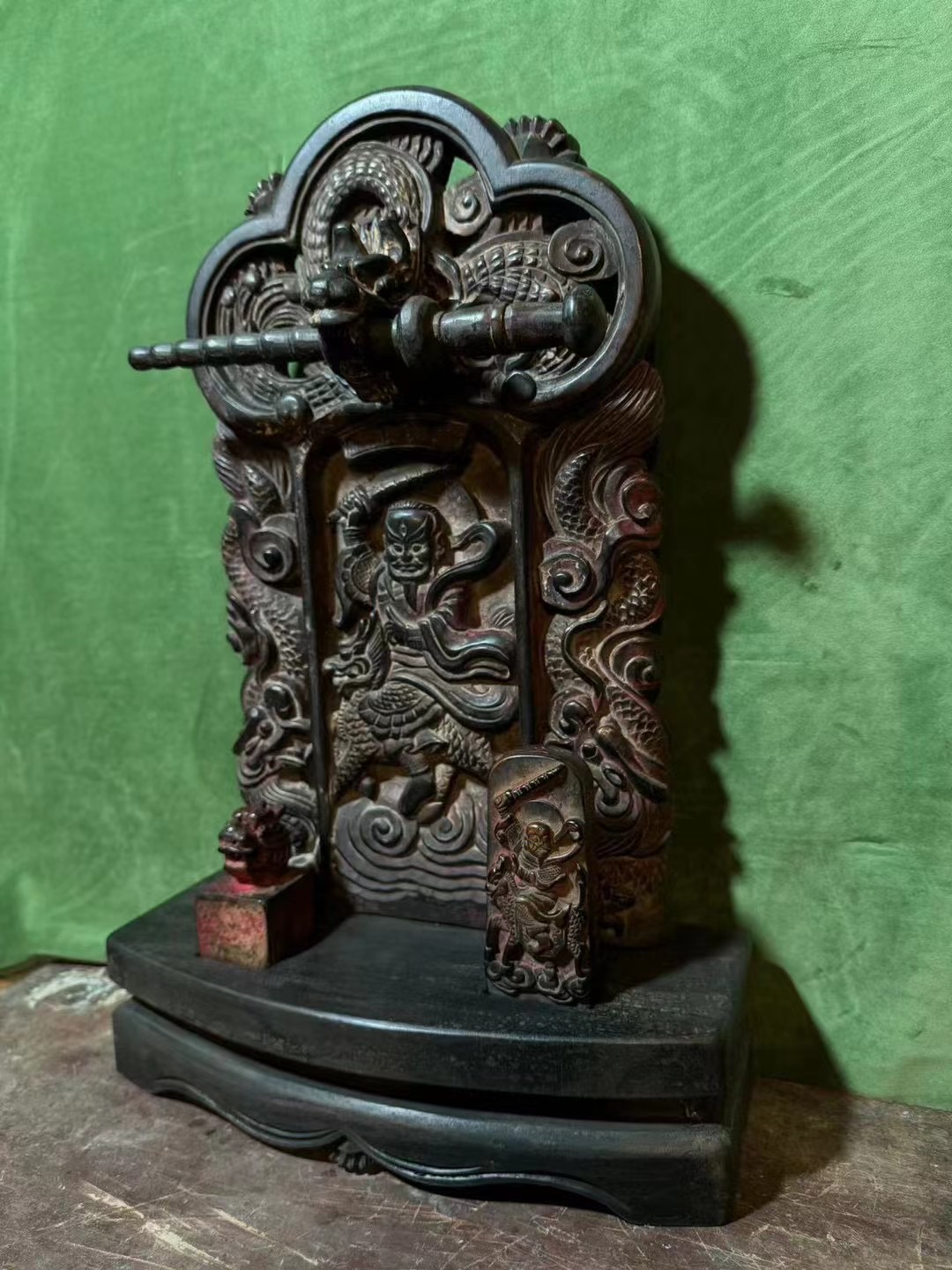
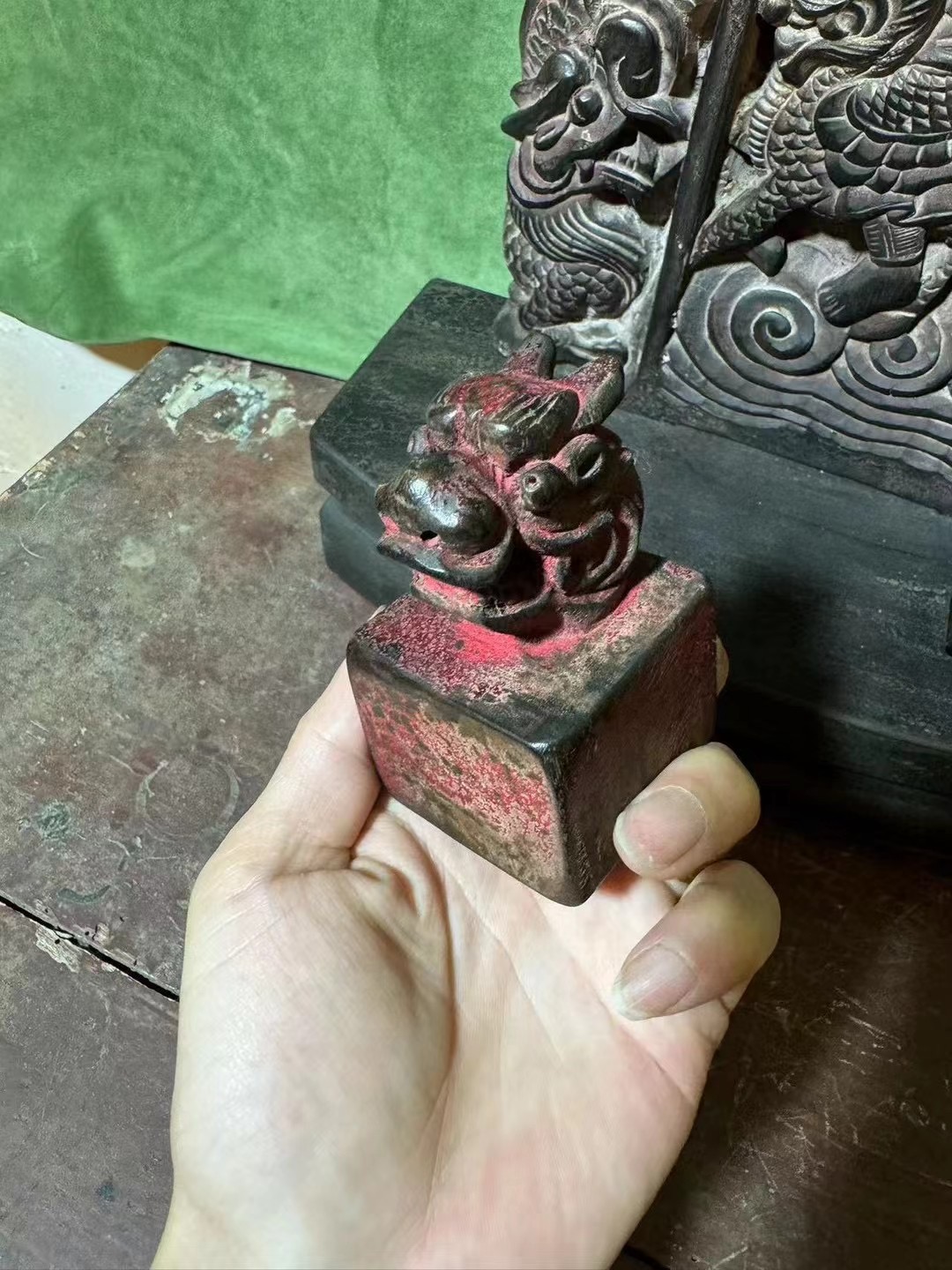
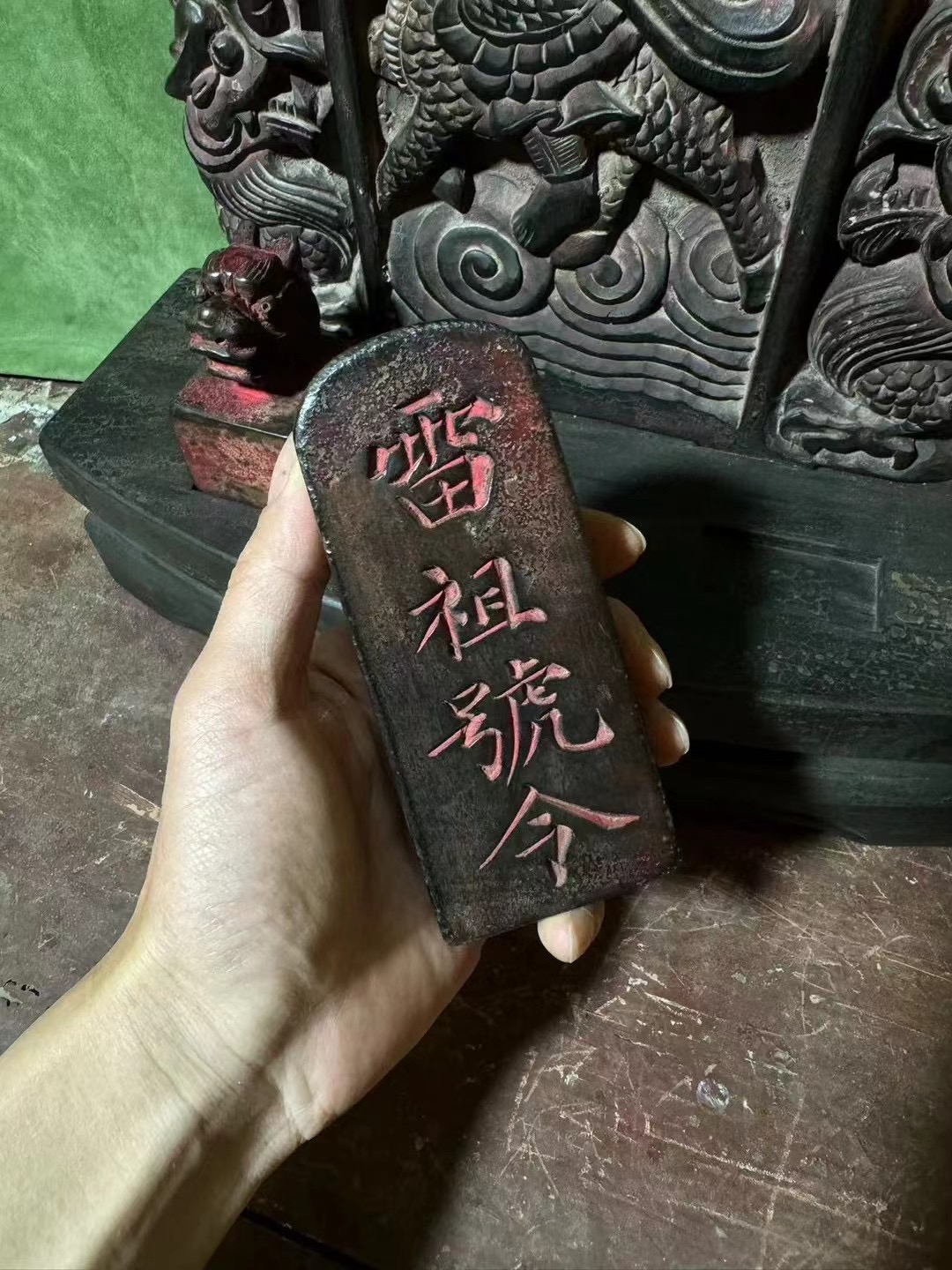
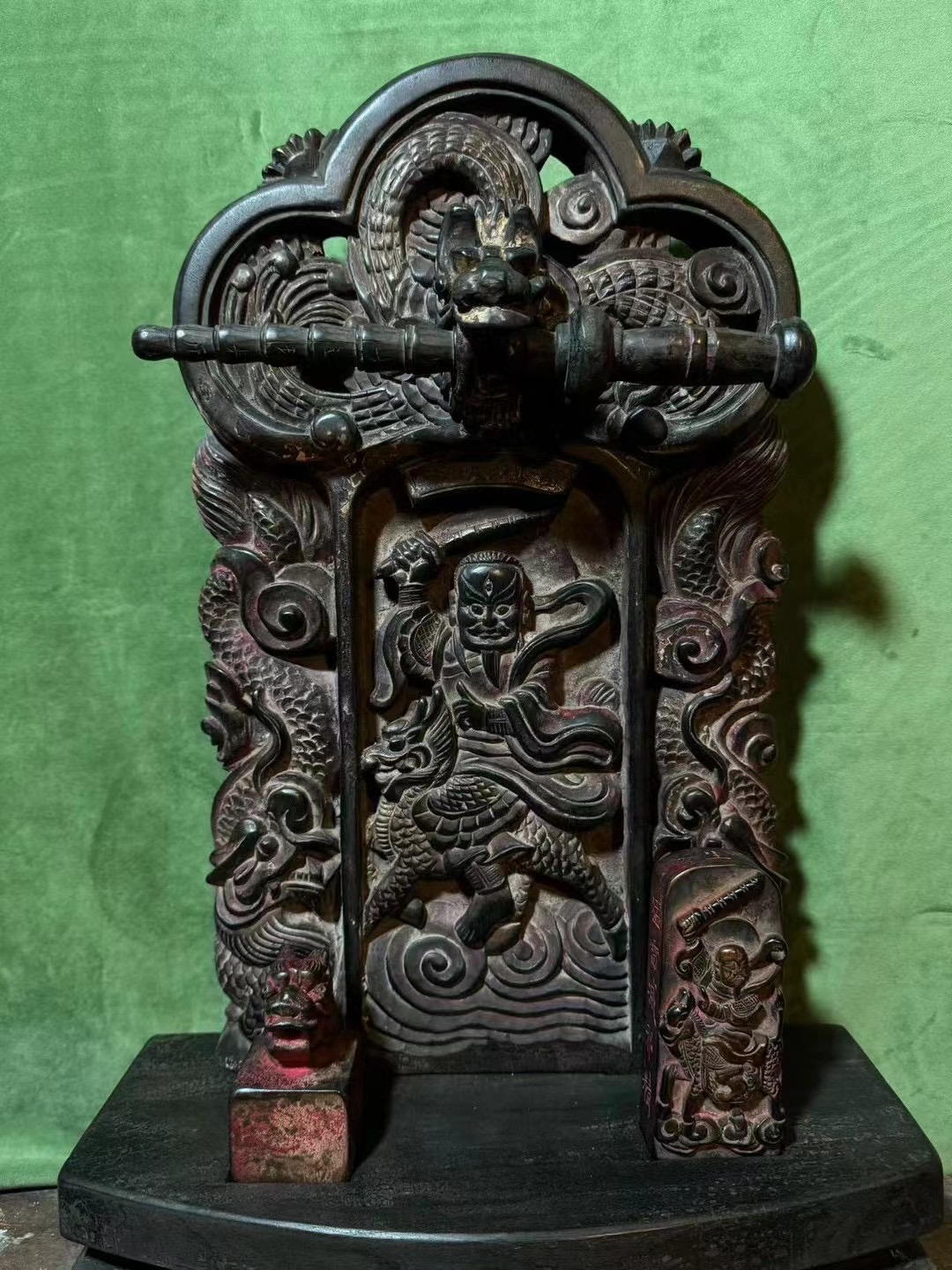
In some instances, Lei Zu may refer to a deity in charge of thunder and lightning, while in other cases, it may be a legendary Taoist practitioner whose practices involve controlling the forces of natural phenomena such as thunder and lightning. The identity of Lei Zu may vary depending on regional differences, legends, and folk beliefs.
Associations: Related to Taoism, the Thunder God, and mystical practices involving the control of forces such as thunder and lightning
Identity: Possibly referring to a deity governing thunder and lightning; alternatively, a legendary Taoist cultivator
Influence: Lei Zu holds considerable impact in folk beliefs, Taoist culture, and mythological stories
Roles in Folklore
Based on the identity of Lei Zu and related legends, he serves several roles in folk beliefs and mythology:
Controller of natural phenomena: As the Thunder God, Lei Zu symbolizes the ability to control the forces of natural phenomena, including thunder and lightning.
Exemplar of Taoist cultivation: As a legendary Taoist scholar, Lei Zu may represent a moral, intellectual, and practical role model.
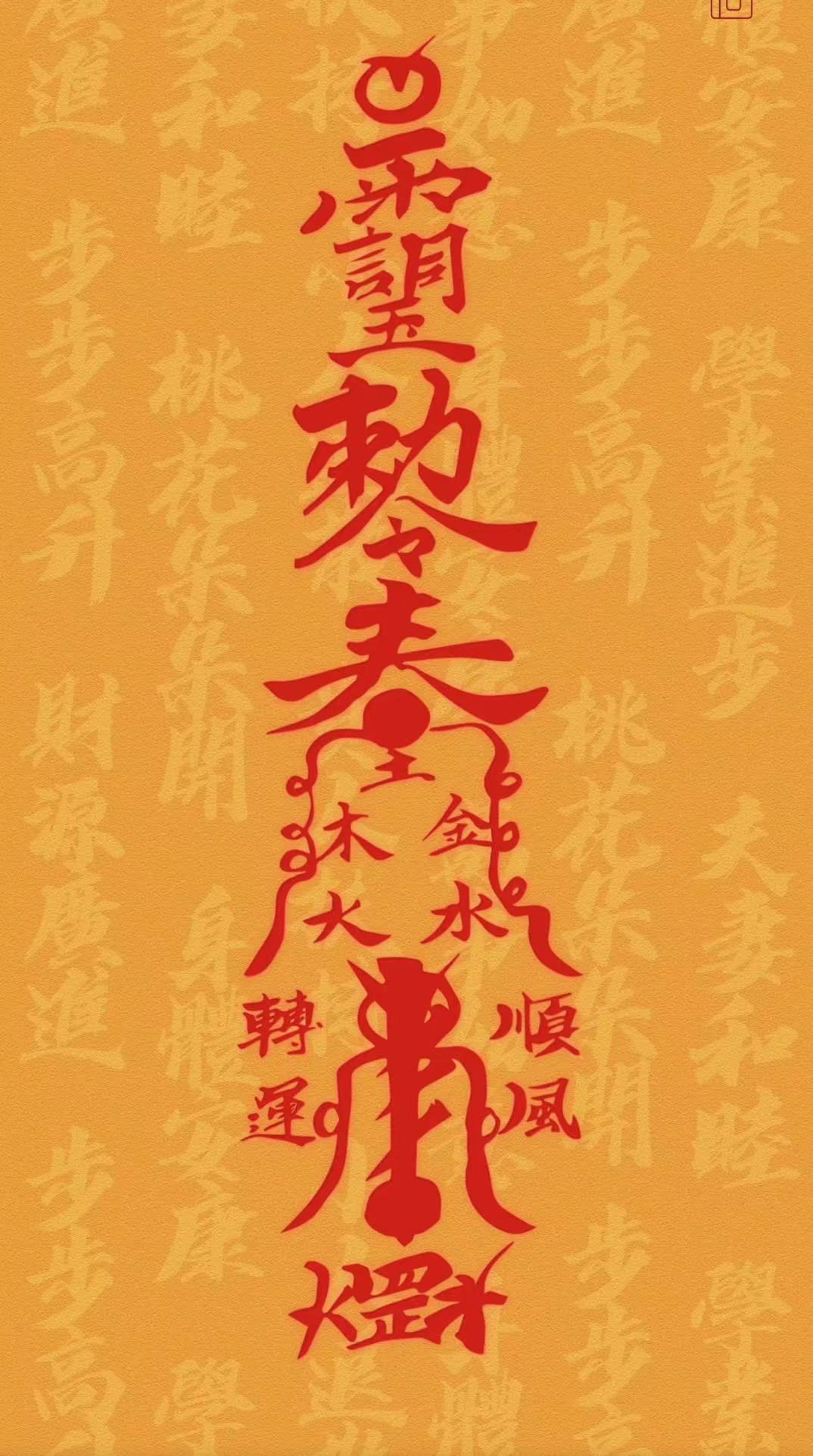
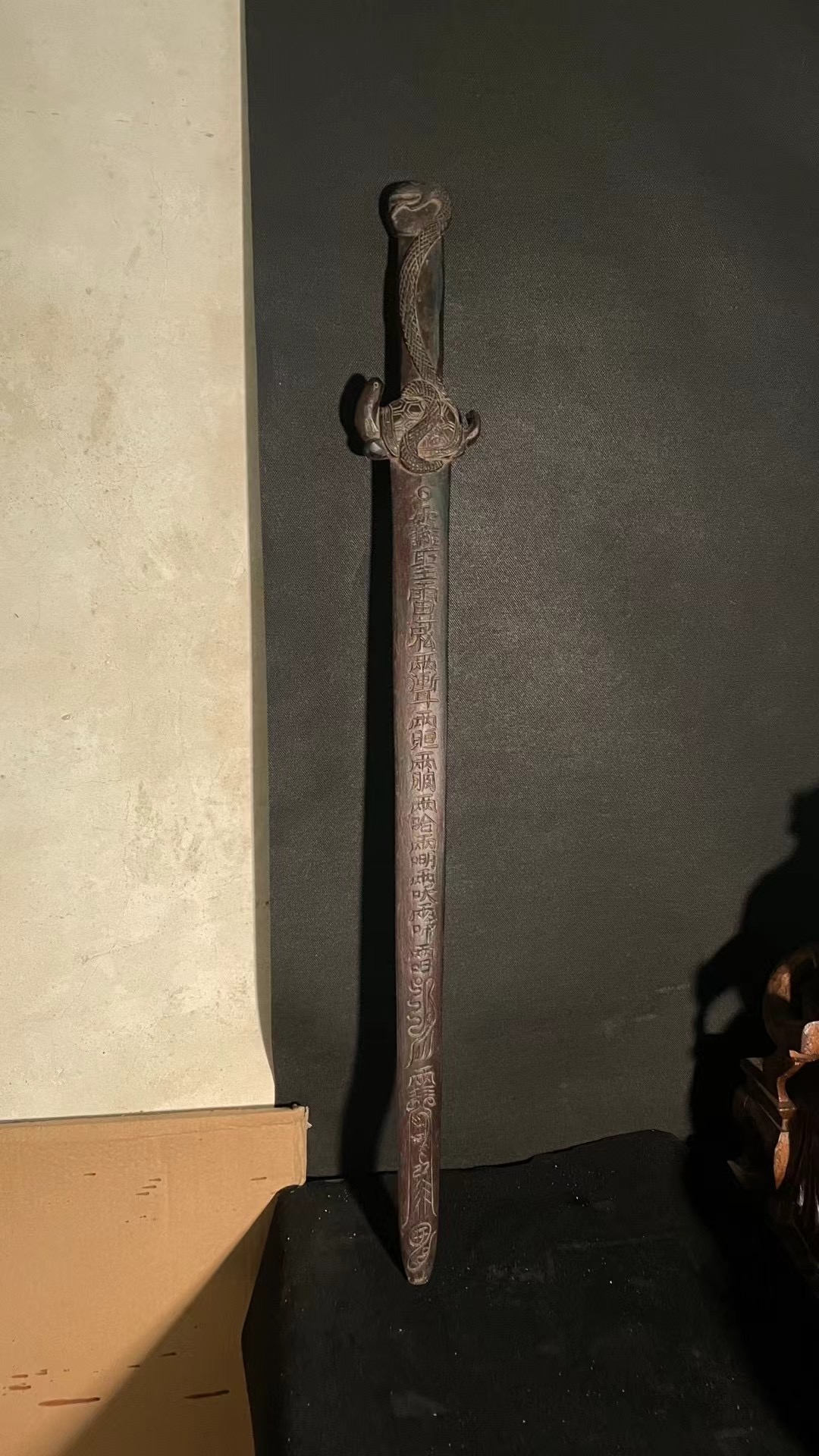
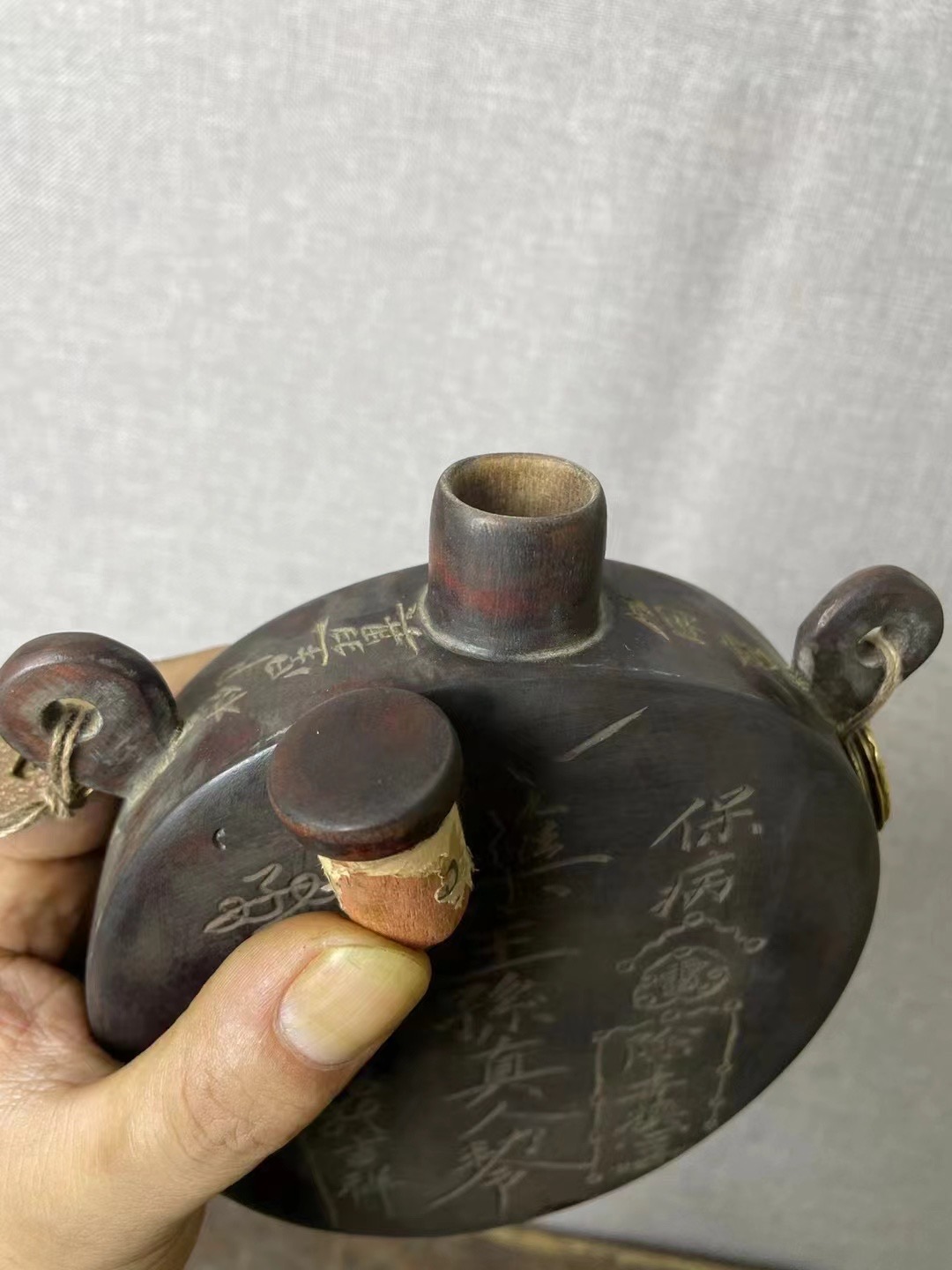
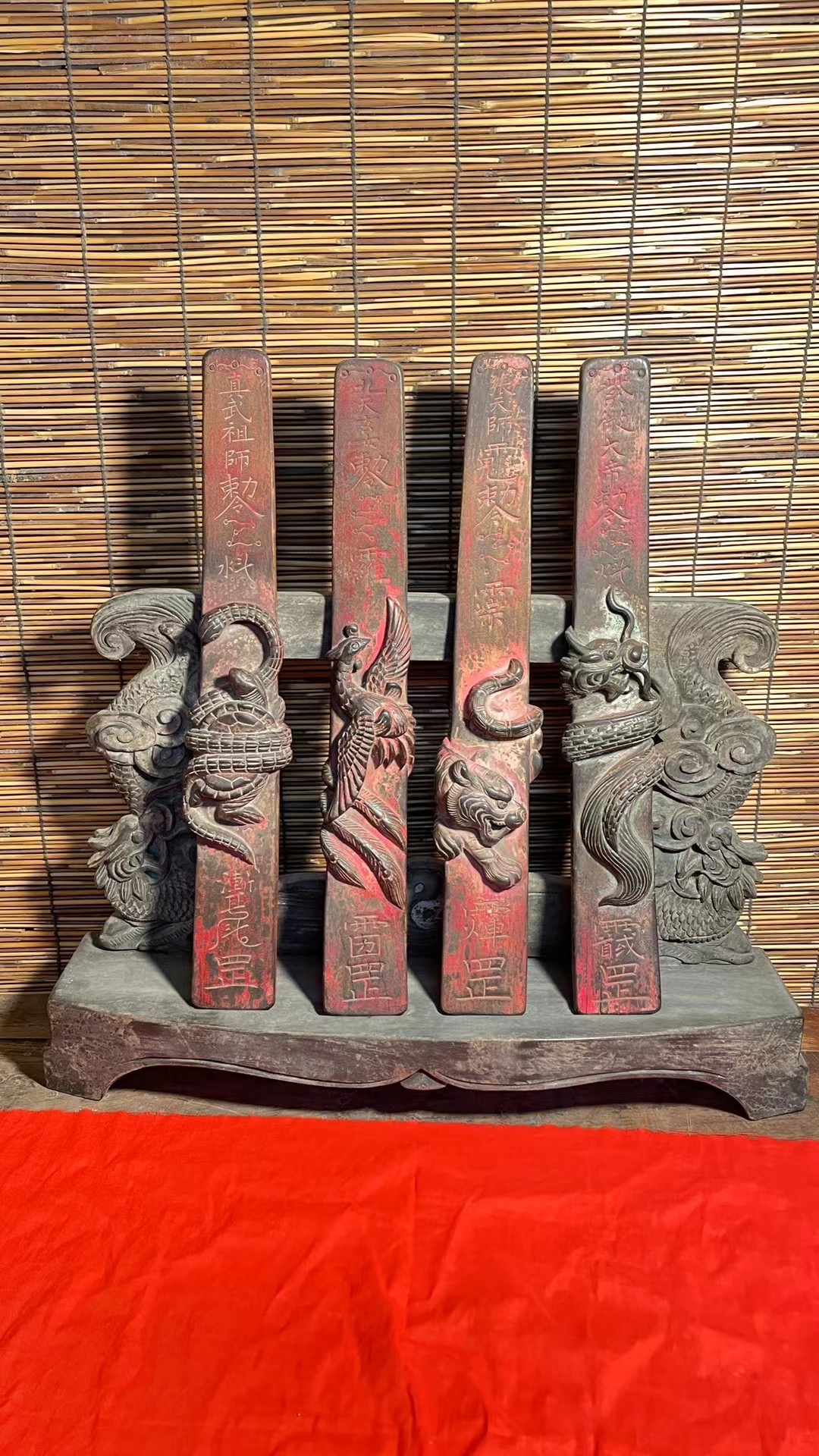
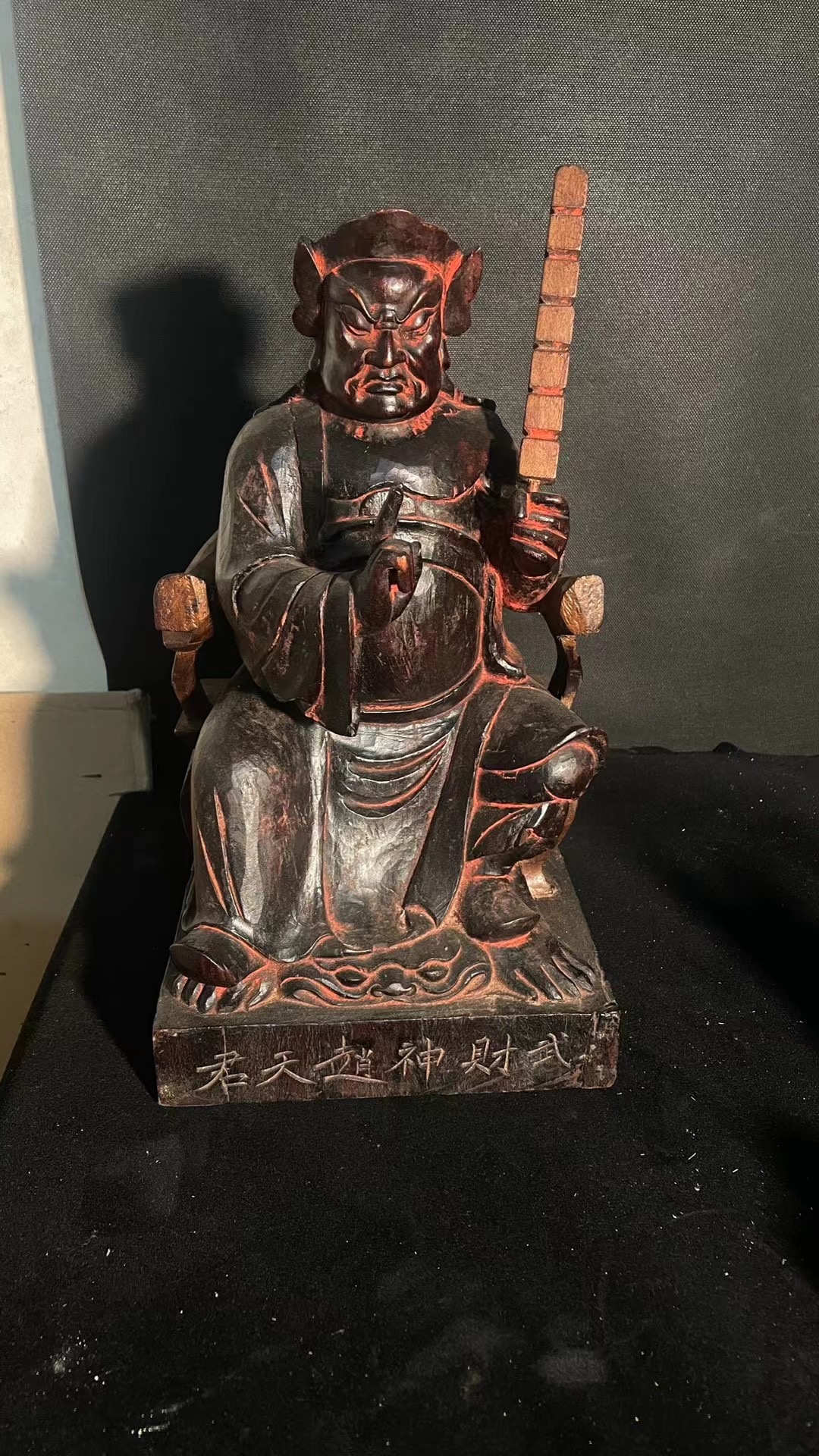
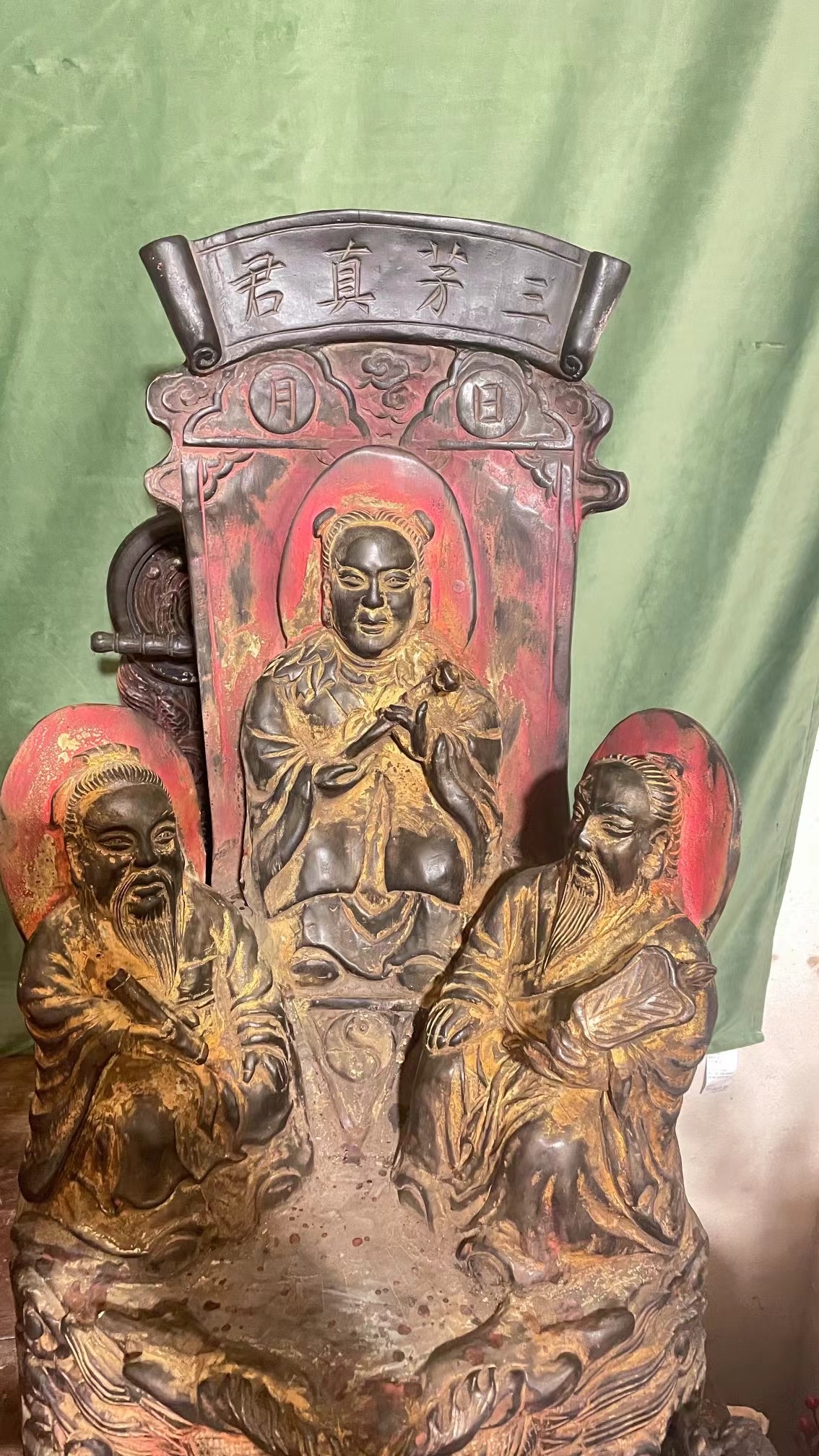
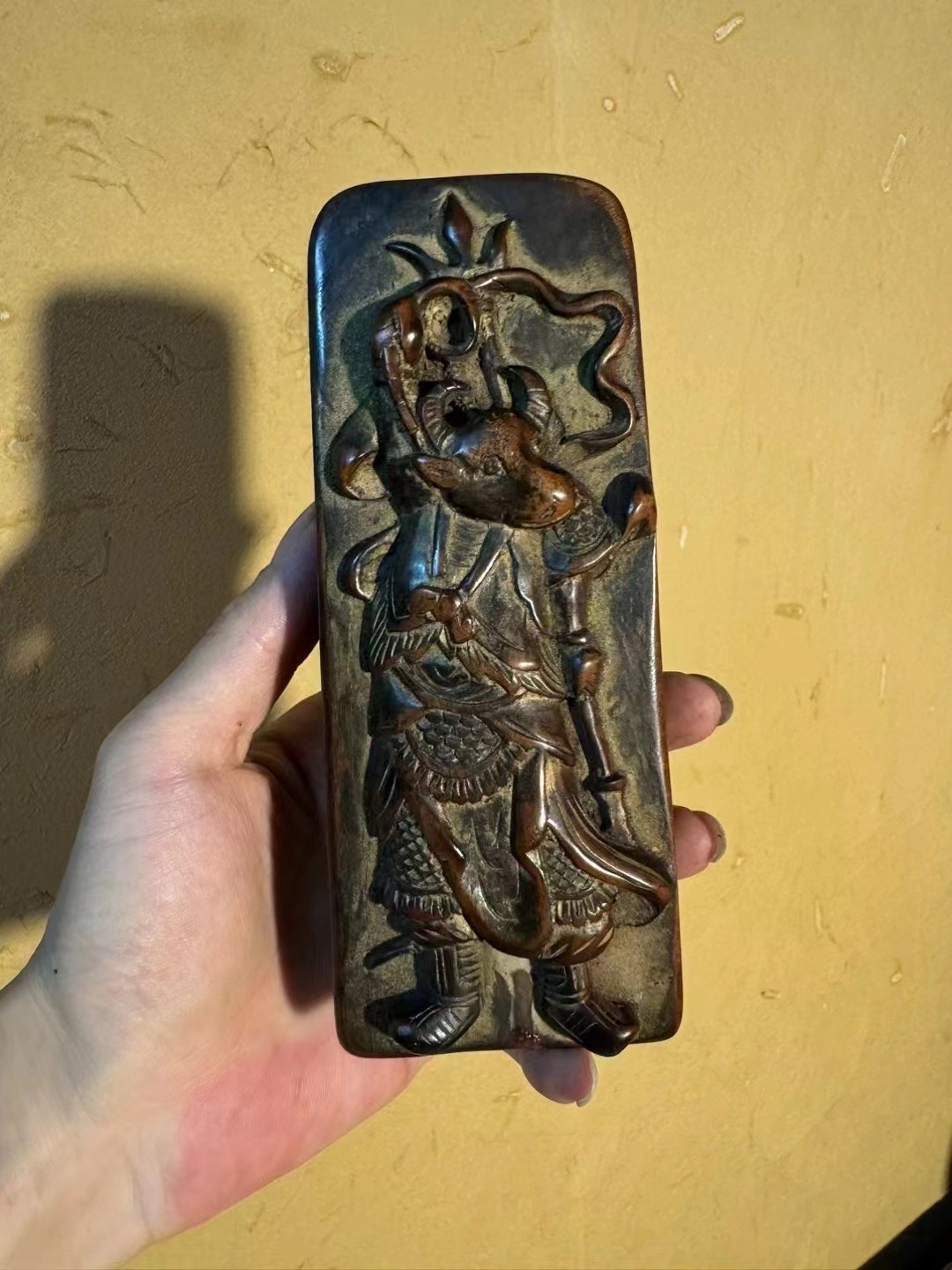
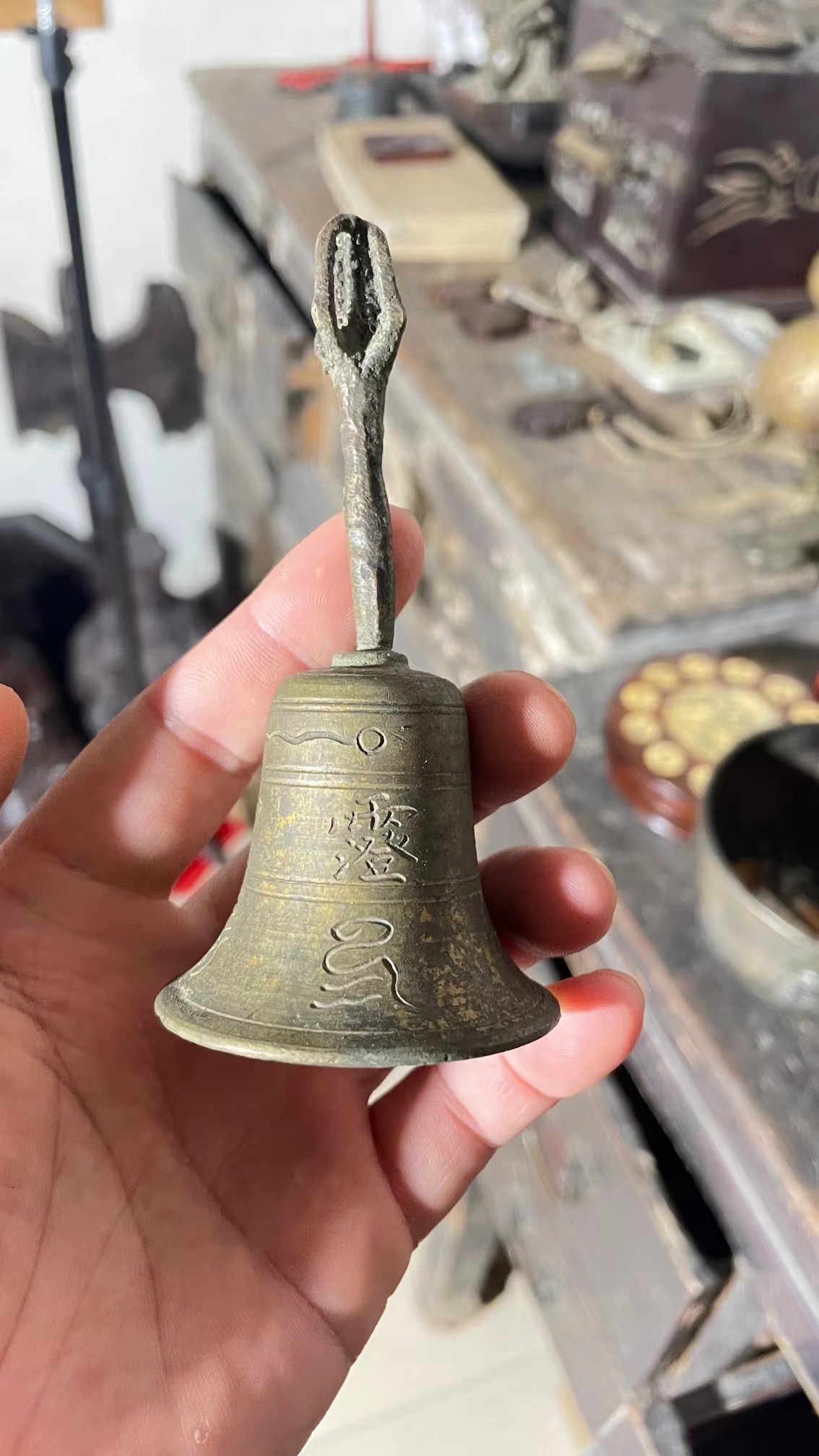
Creator of mystical artifacts: In some legends, Lei Zu is associated with various magical weapons and talismans, such as the Lei Zu Ritual Drum, Lei Zu Token, and Lei Zu Dragon Whip.
Religious and cultural symbolism: As part of folk beliefs and legends, Lei Zu reflects the rich connotations of Chinese folk beliefs, Taoism, and mythological stories.
Lei Zu plays a significant role in Taoist traditions and Chinese folk belief tales, representing folk beliefs, cultural values, and mysticism.
 Inquiry
 Inquiry
 Inquiry
 Inquiry
 Inquiry
 Inquiry
 Inquiry
 Inquiry
Copyright © 2026 By Taoist Treasures
 WhatsApp