
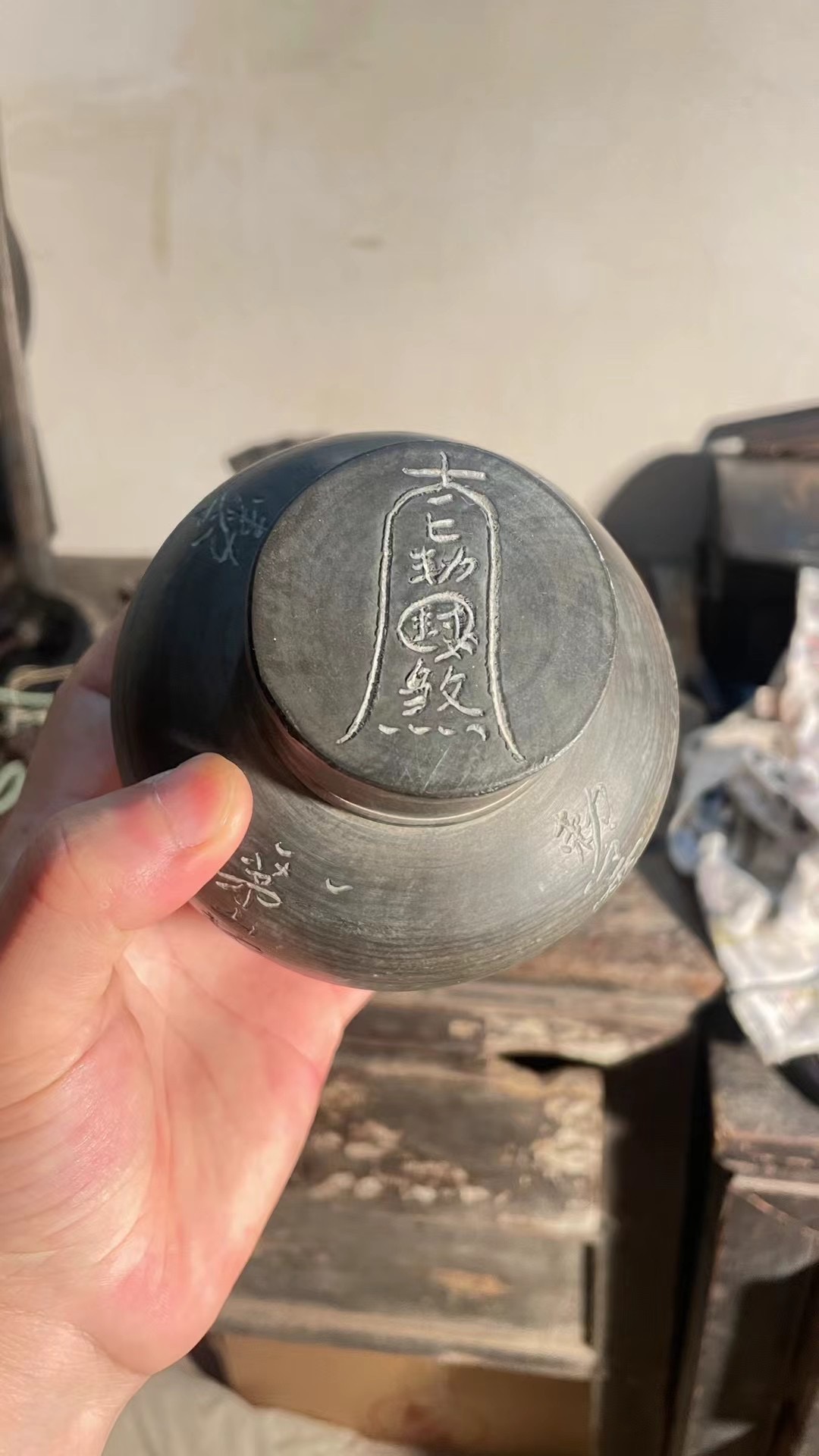
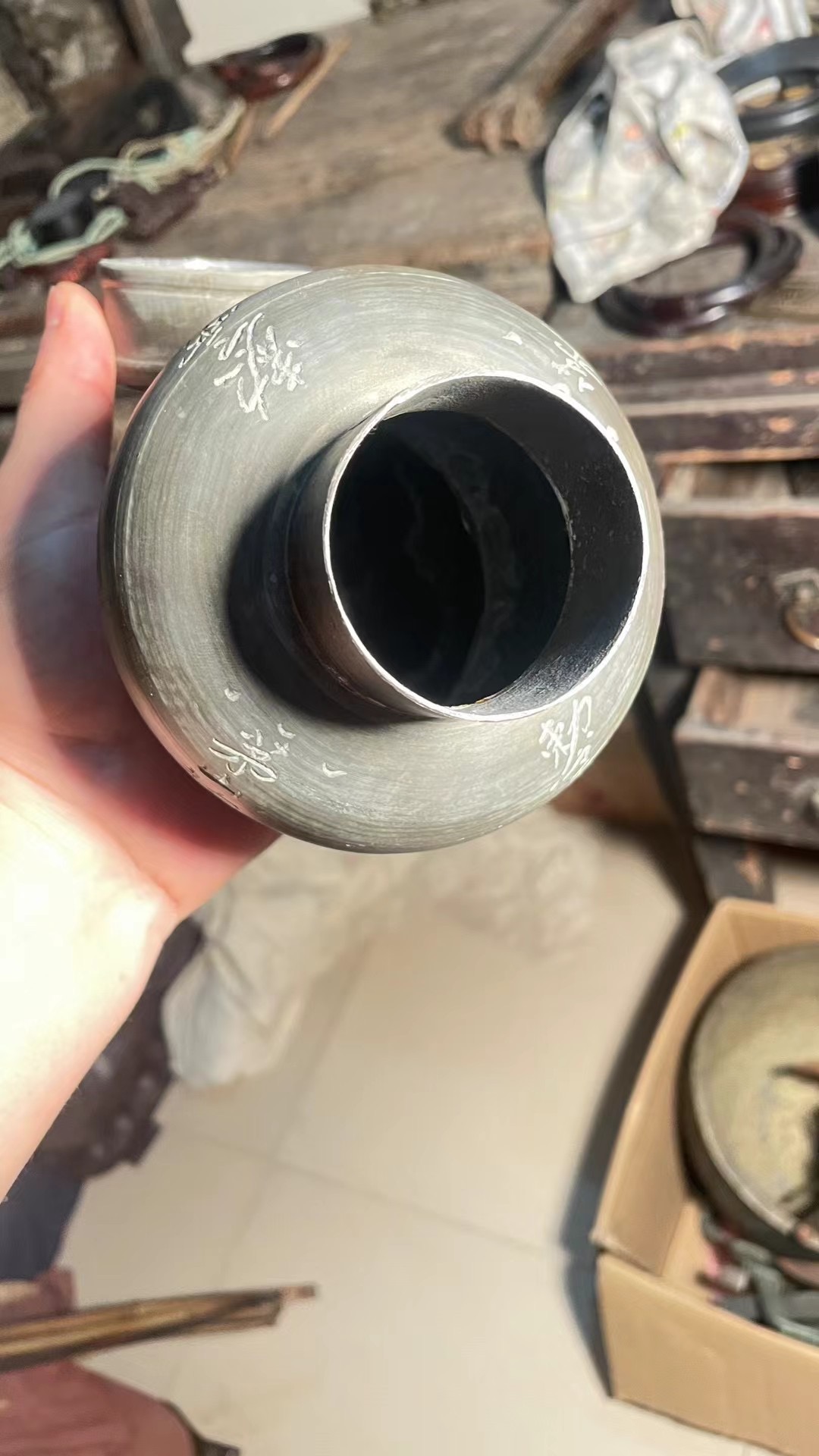
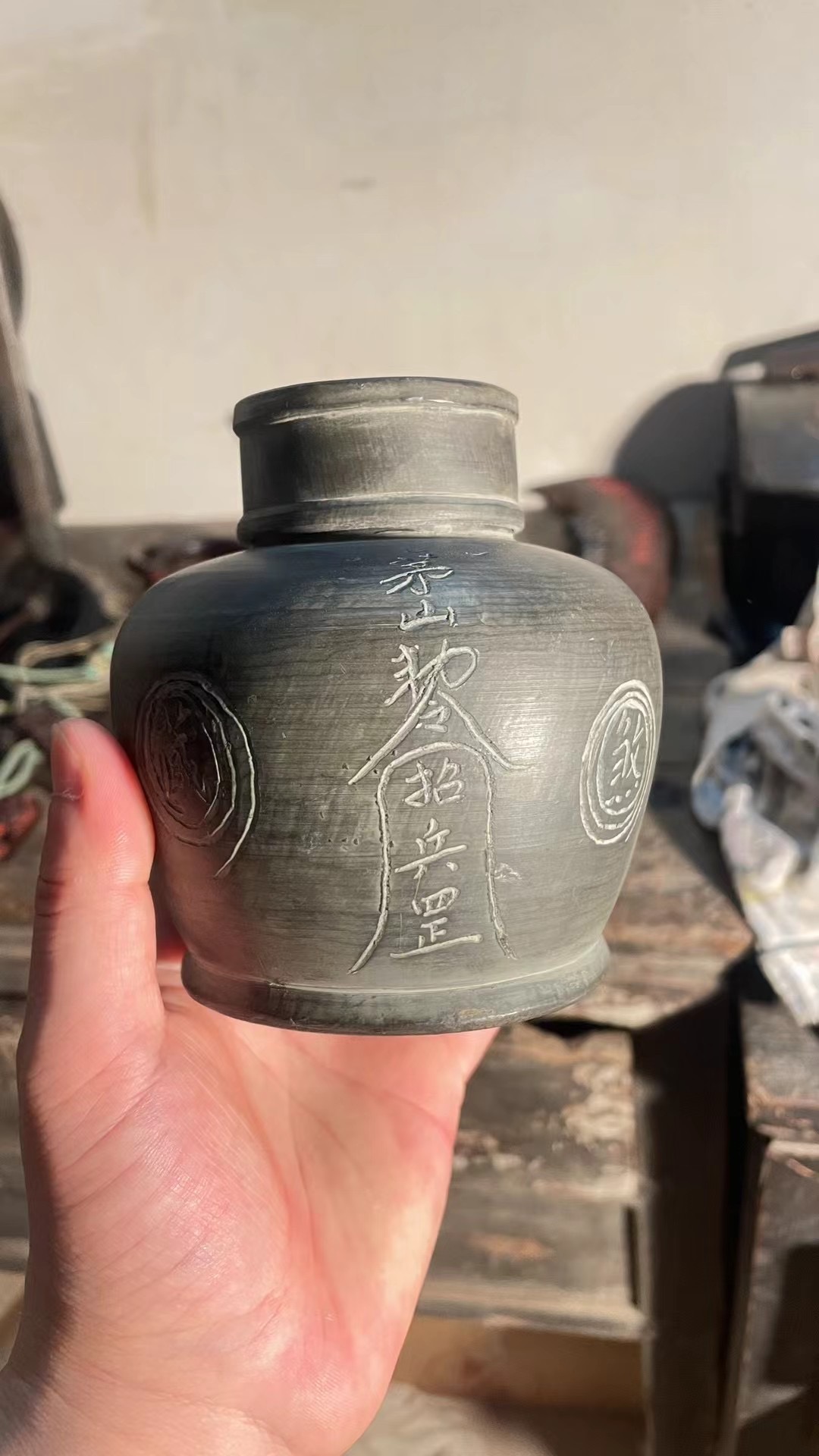
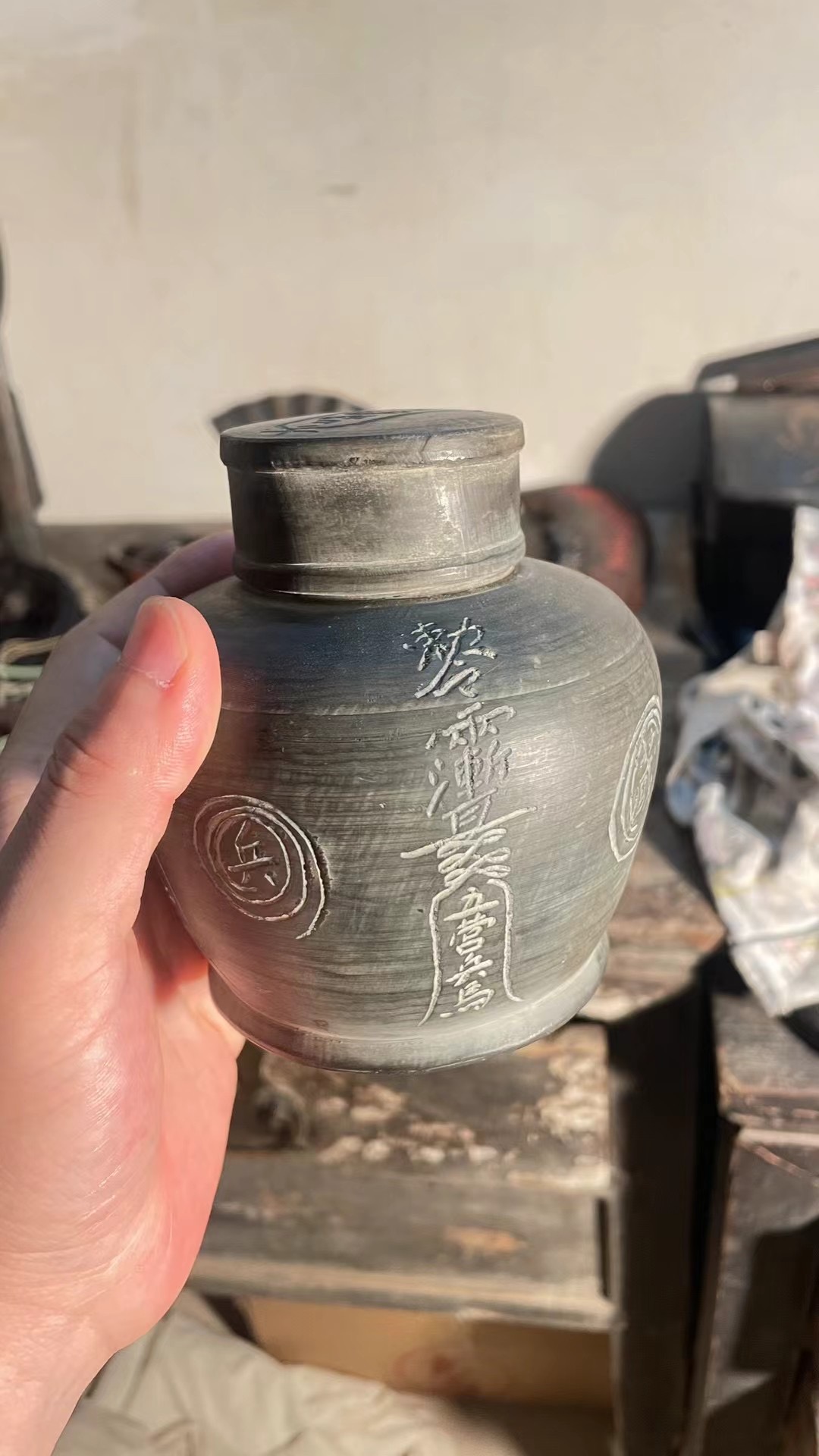
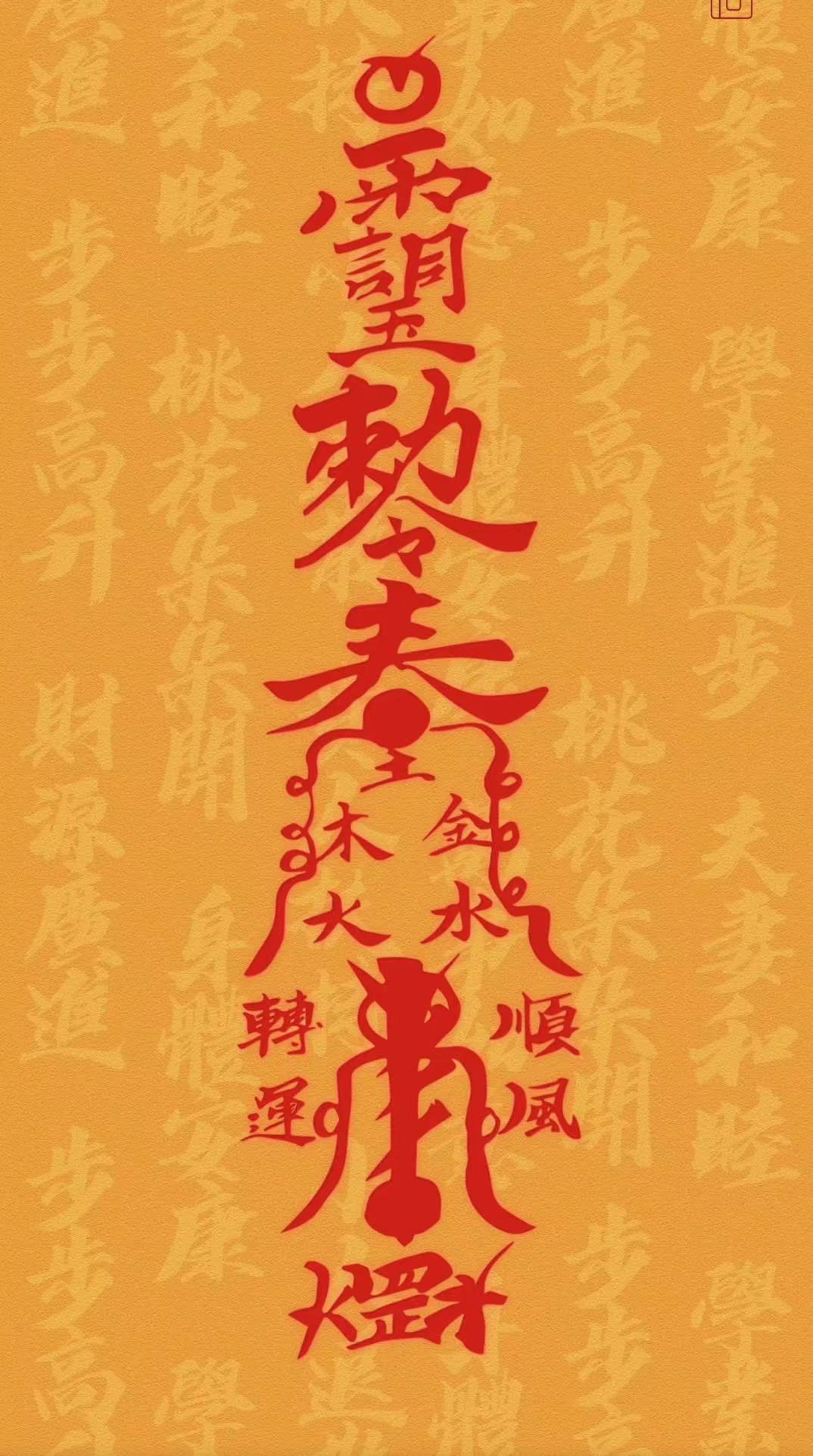
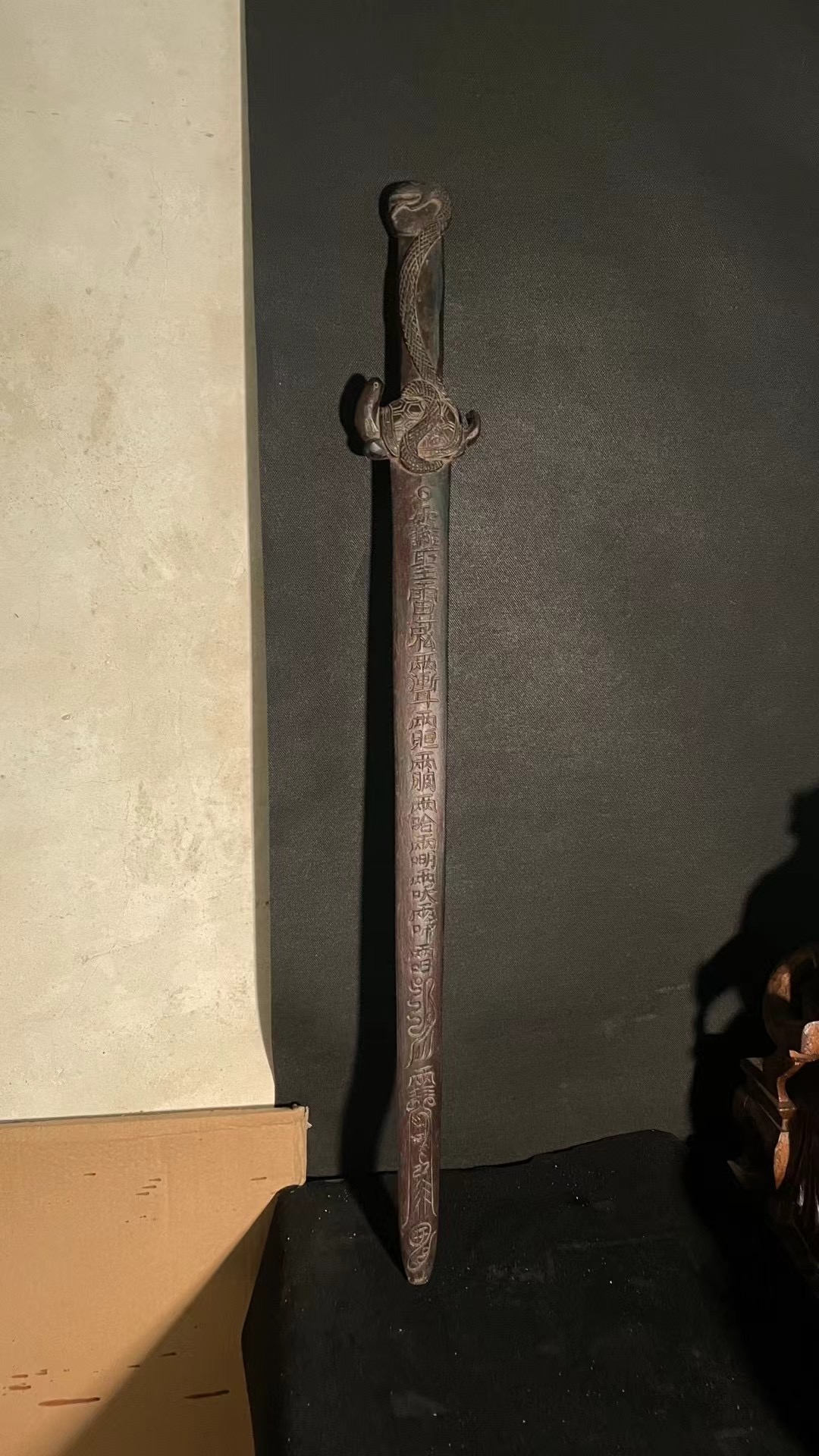
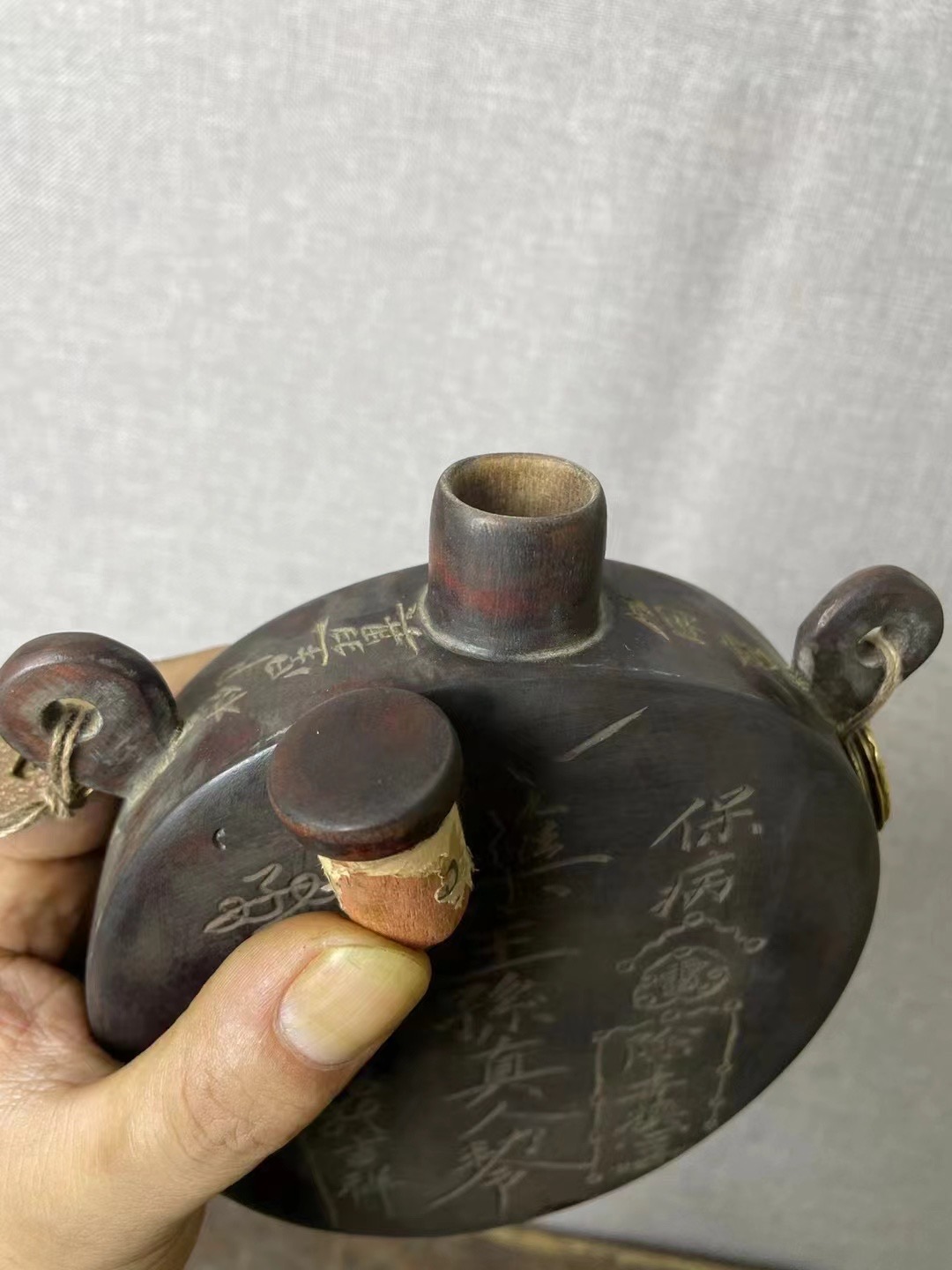
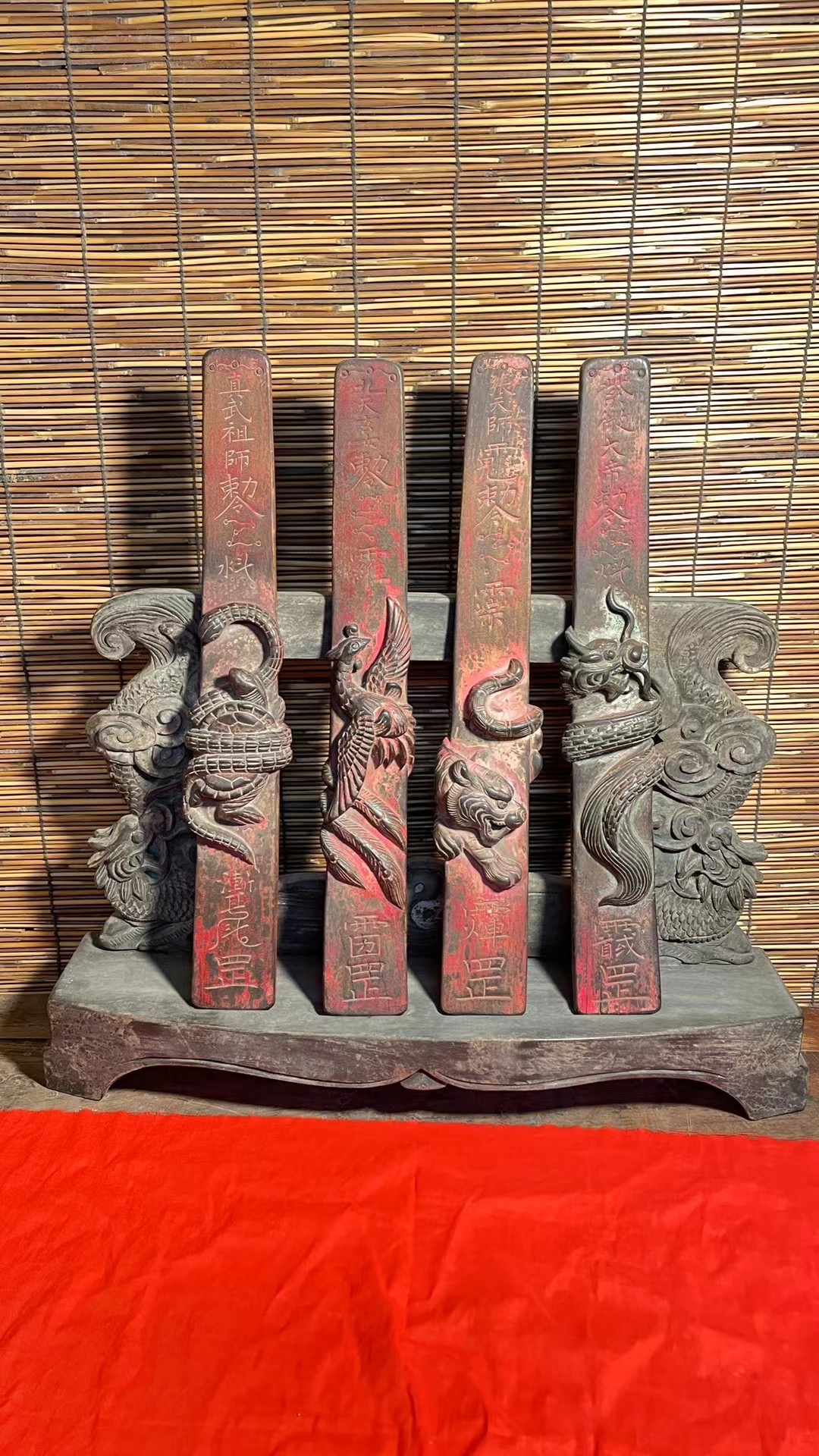
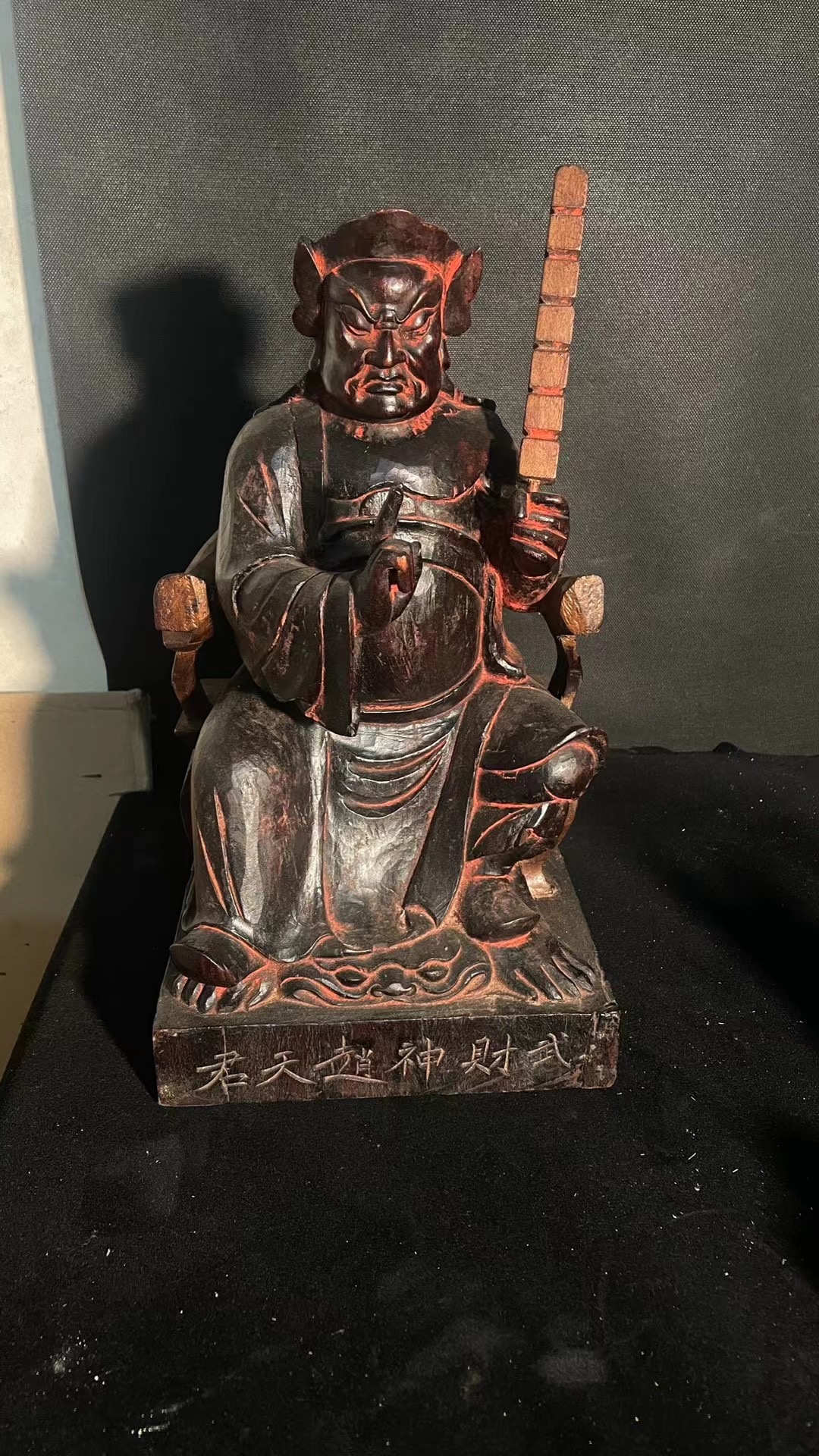
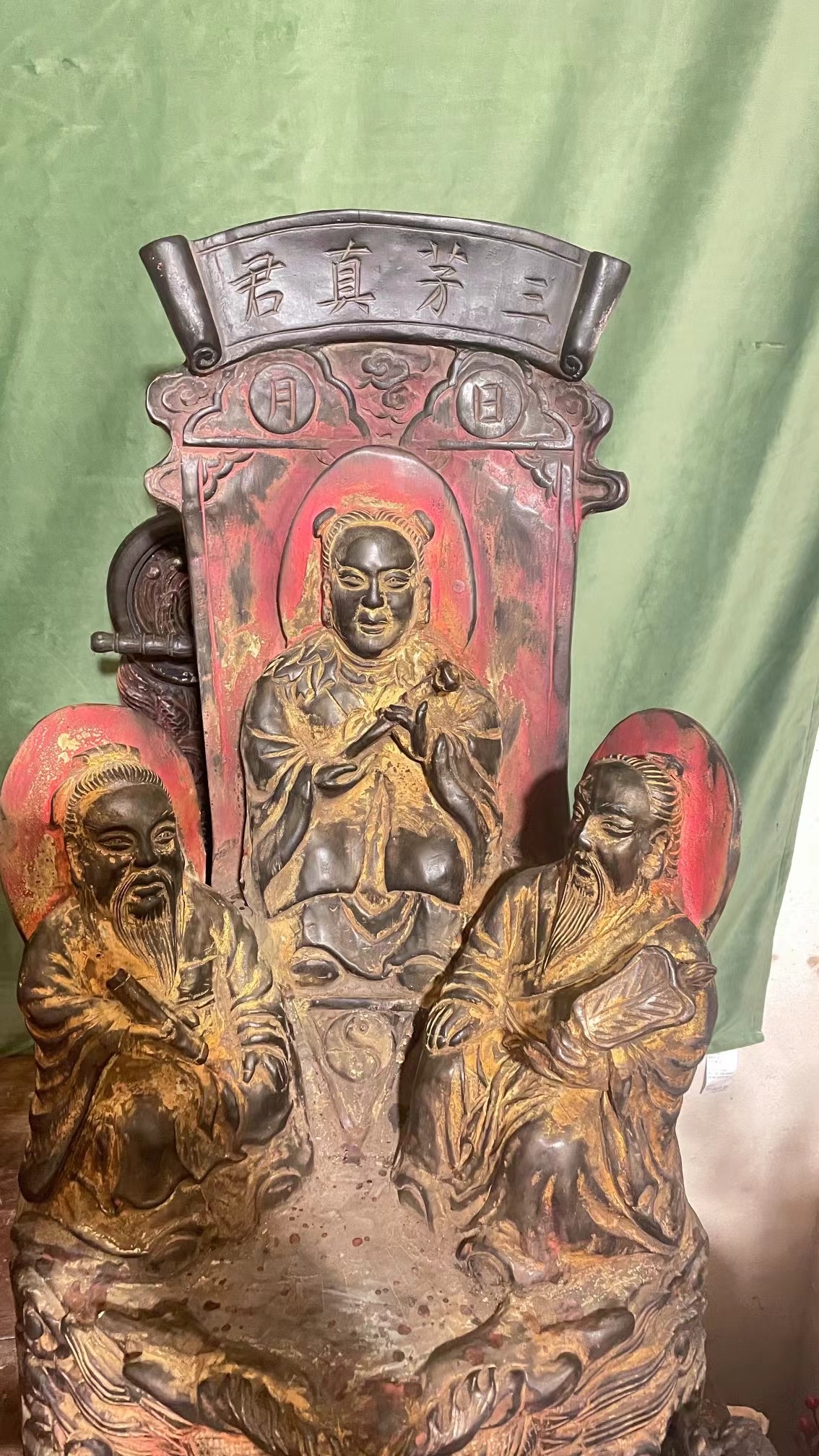
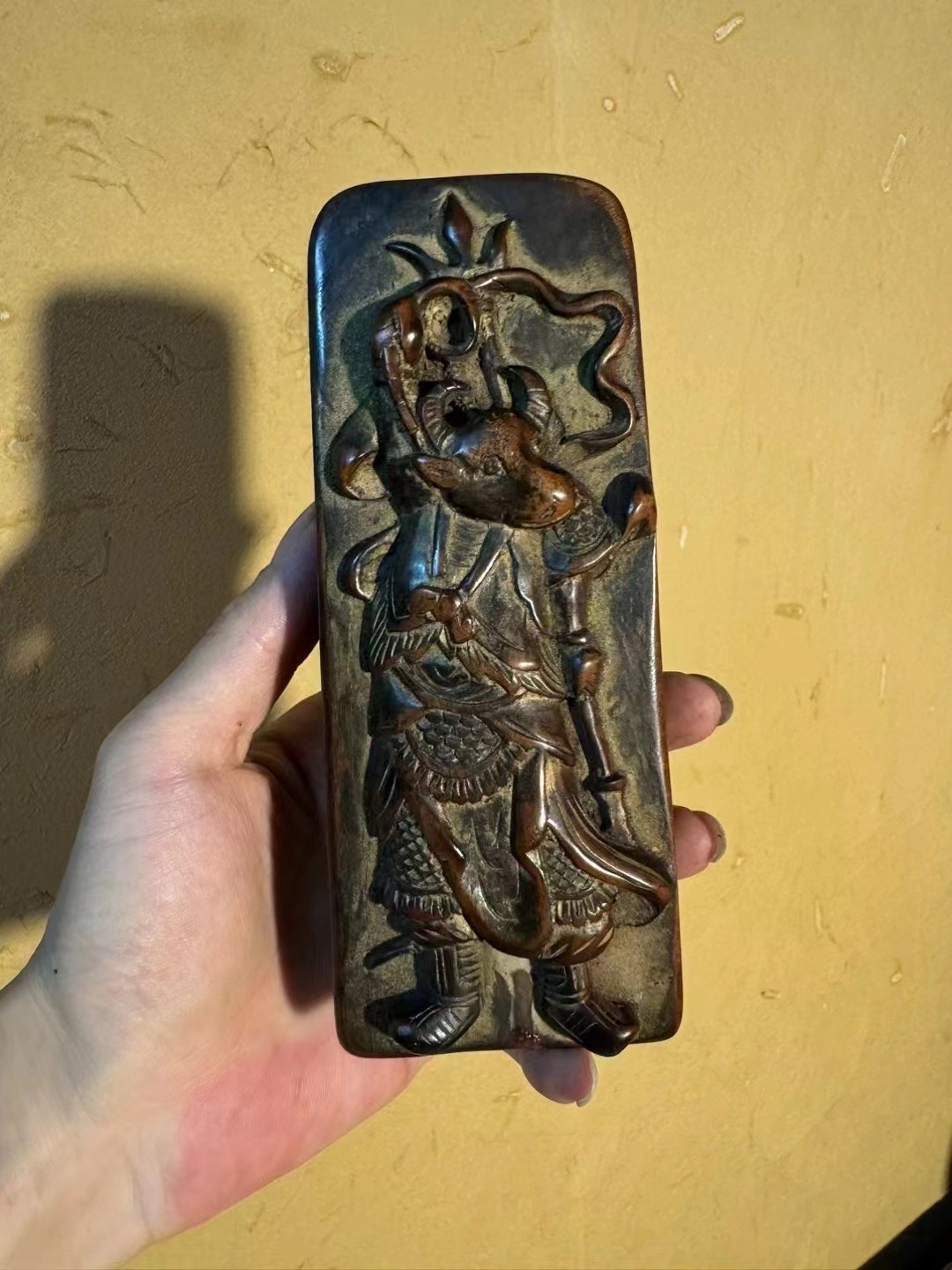
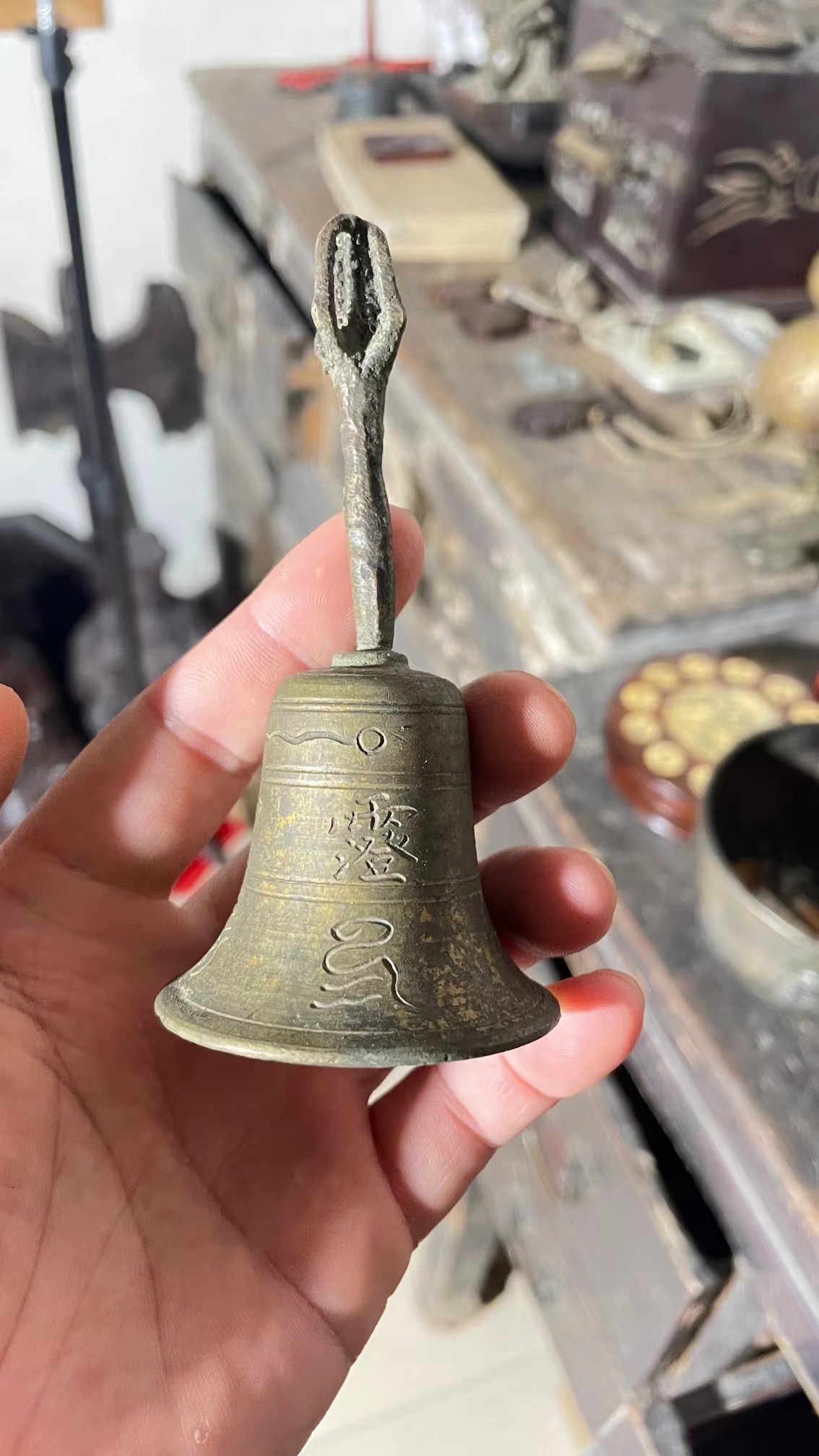
Maoshan, located in Zhenjiang City, Jiangsu Province, is one of the well-known sacred sites in Chinese Taoism. As a type of pottery, the Maoshan Terracotta Army Pot usually depicts military themes such as soldiers, warhorses, and chariots. These pots are used in Taoist ceremonies and rituals to seek divine protection, exorcism, attack enemies, and other purposes related to war and defense.
Associations: Related to Taoism, Maoshan, religious ceremonies, rituals, and folk beliefs
Appearance: Ceramic pots, usually featuring military themes such as soldiers, warhorses, and chariots
Usage: Taoist ceremonies, rituals, seeking divine protection, exorcism, etc.
Functions and Effects
Ritual tool: The Maoshan Terracotta Army Pot serves as a symbolic prop in Taoist ceremonies and rituals, representing divine power.
Seeking protection: The Maoshan Terracotta Army Pot is used in Taoist ceremonies to pray for divine protection, safeguarding believers from evil influences.
Exorcism and subduing demons: Taoist priests use the Maoshan Terracotta Army Pot to banish evil spirits, subdue demons, and maintain the peace and tranquility of believers.
Cultural symbolism: The Maoshan Terracotta Army Pot carries the tradition of Maoshan Taoist culture, reflecting the folk beliefs of the Maoshan region in Jiangsu Province.
Specific legends and origins of the Maoshan Terracotta Army Pot may vary depending on regional differences, Taoist sects, and folk beliefs. Nevertheless, the Maoshan Terracotta Army Pot remains an important symbol within Chinese Taoist culture and beliefs, playing a special role in the practice of Taoism.
 Inquiry
 Inquiry
 Inquiry
 Inquiry
 Inquiry
 Inquiry
 Inquiry
 Inquiry
Copyright © 2026 By Taoist Treasures
 WhatsApp