
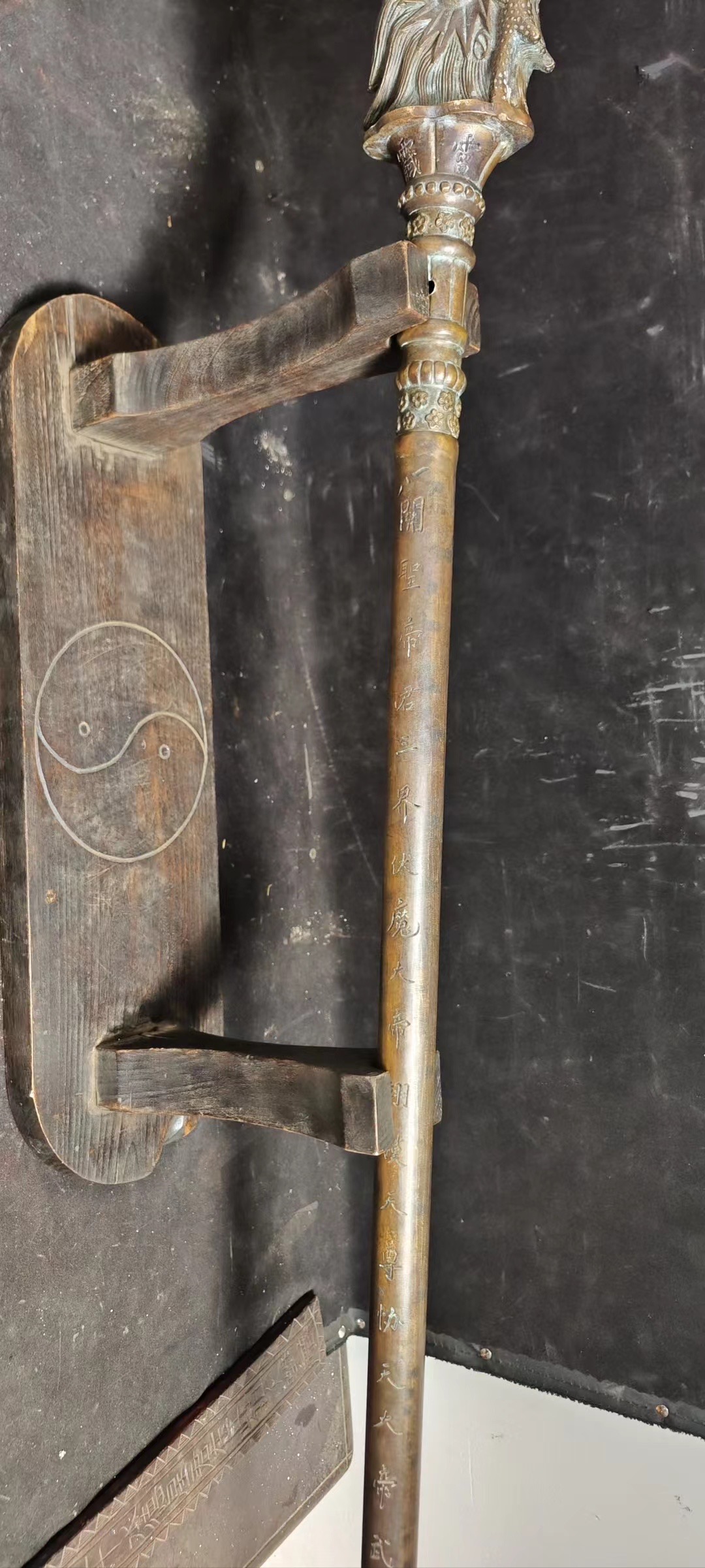
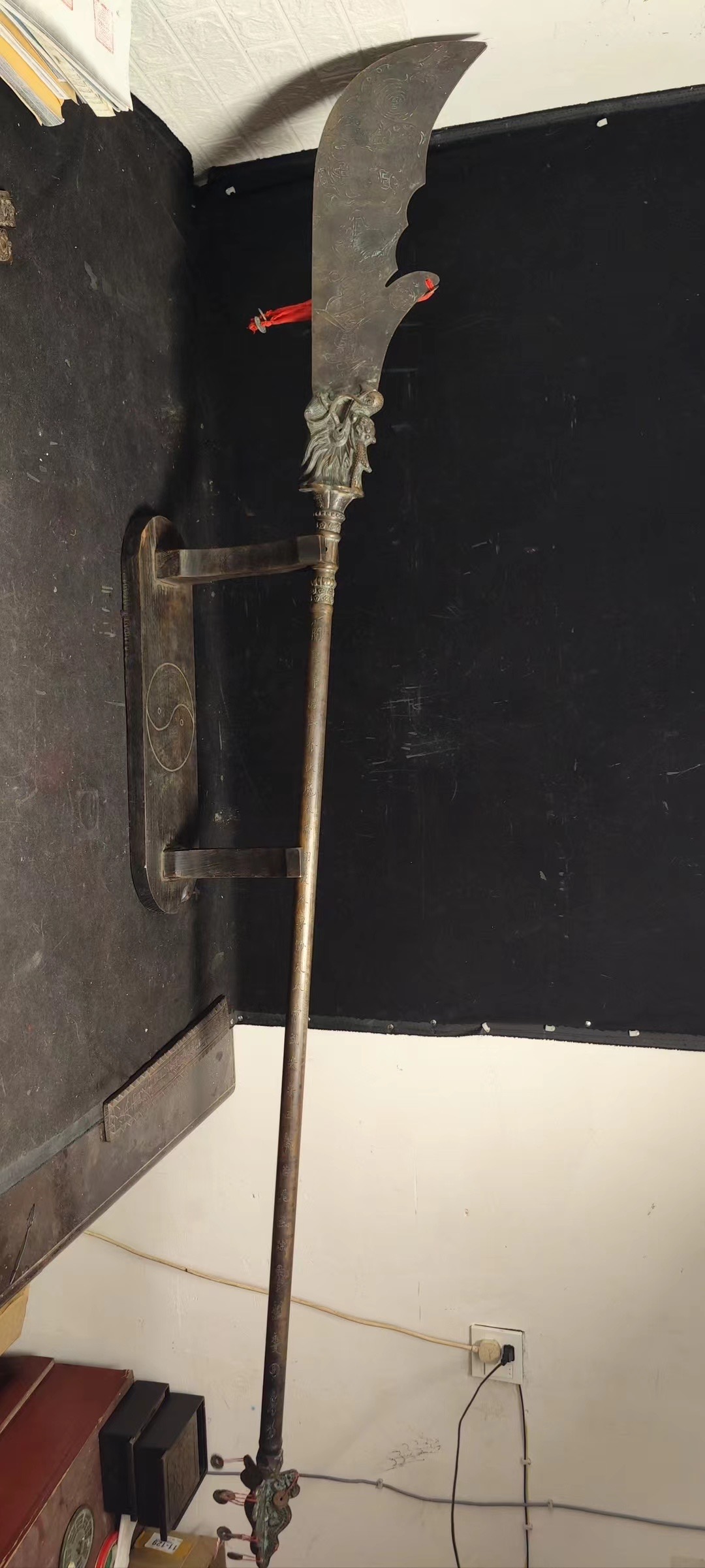
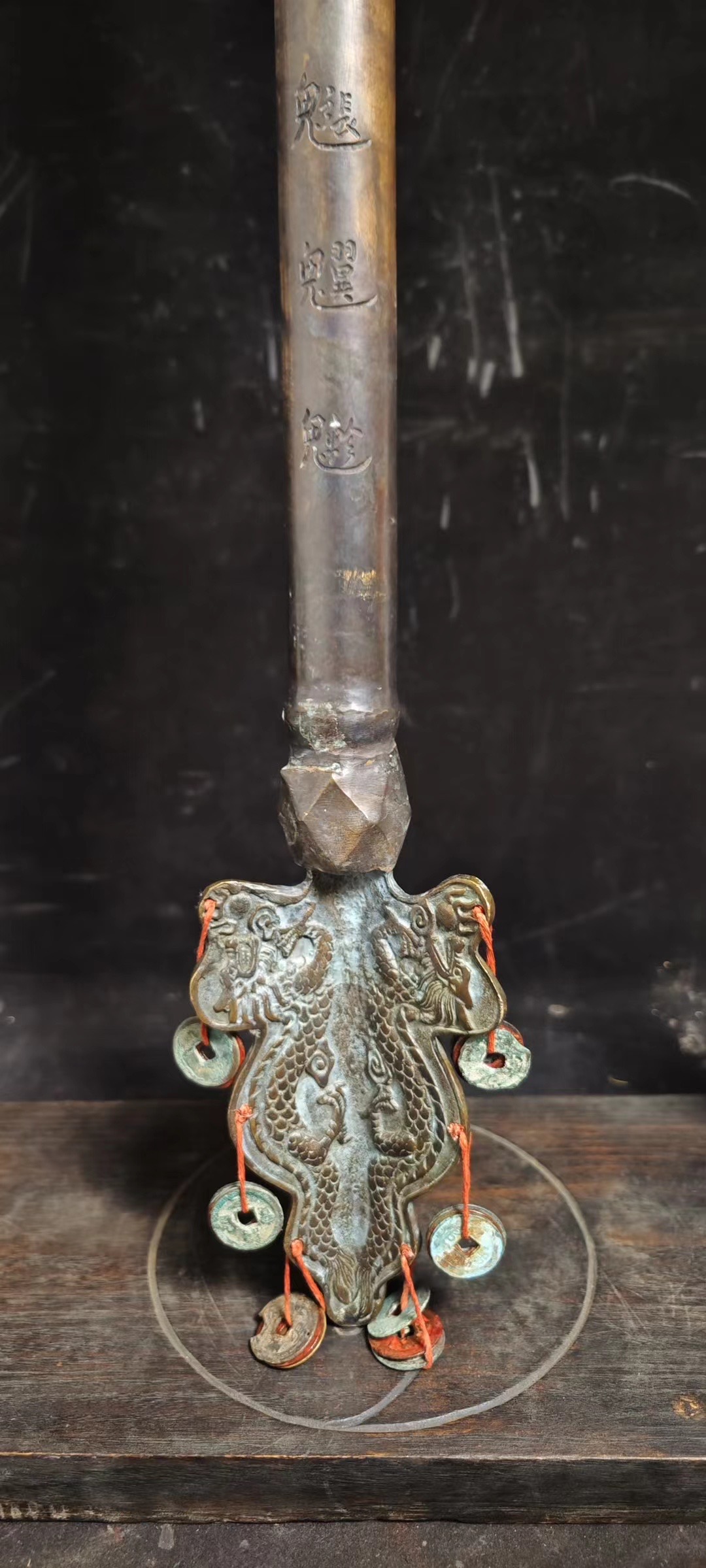
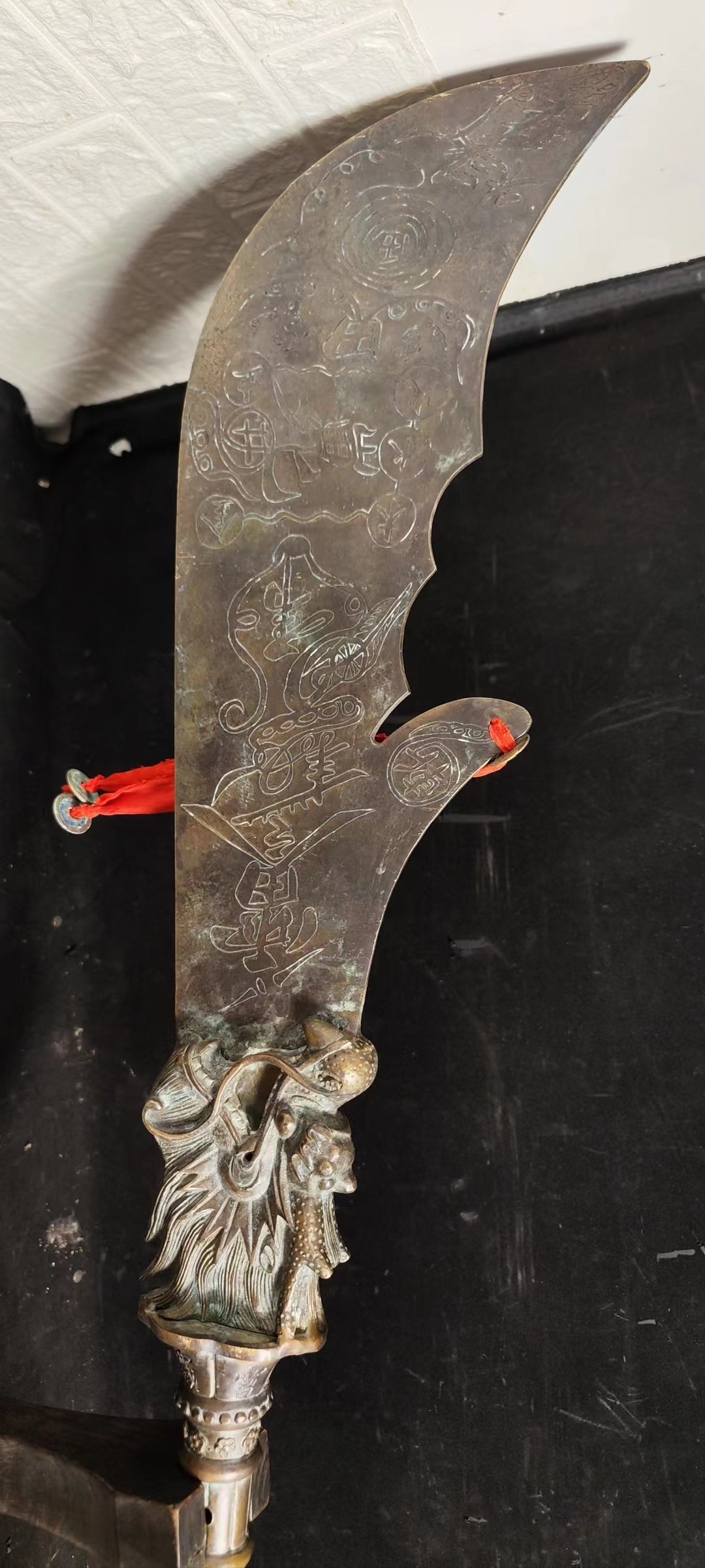
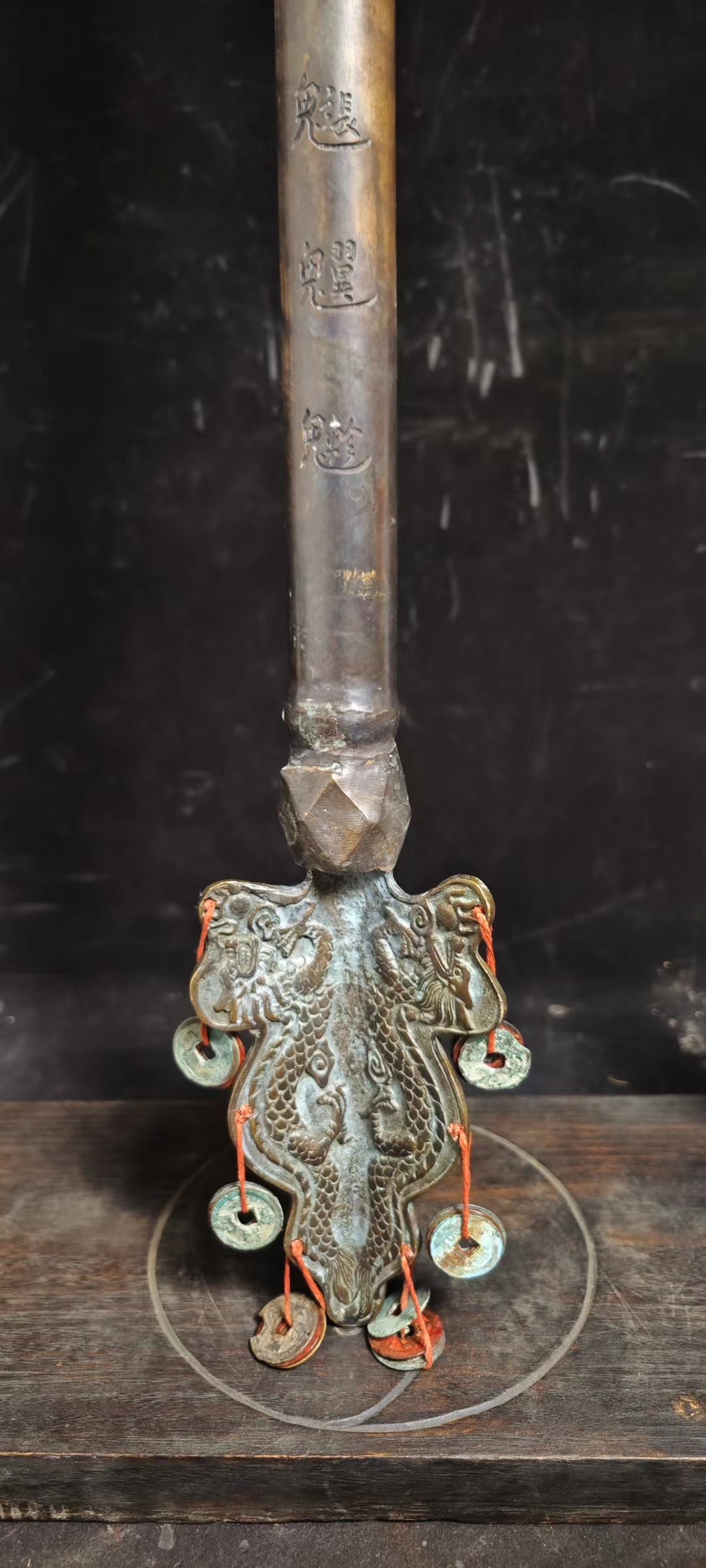
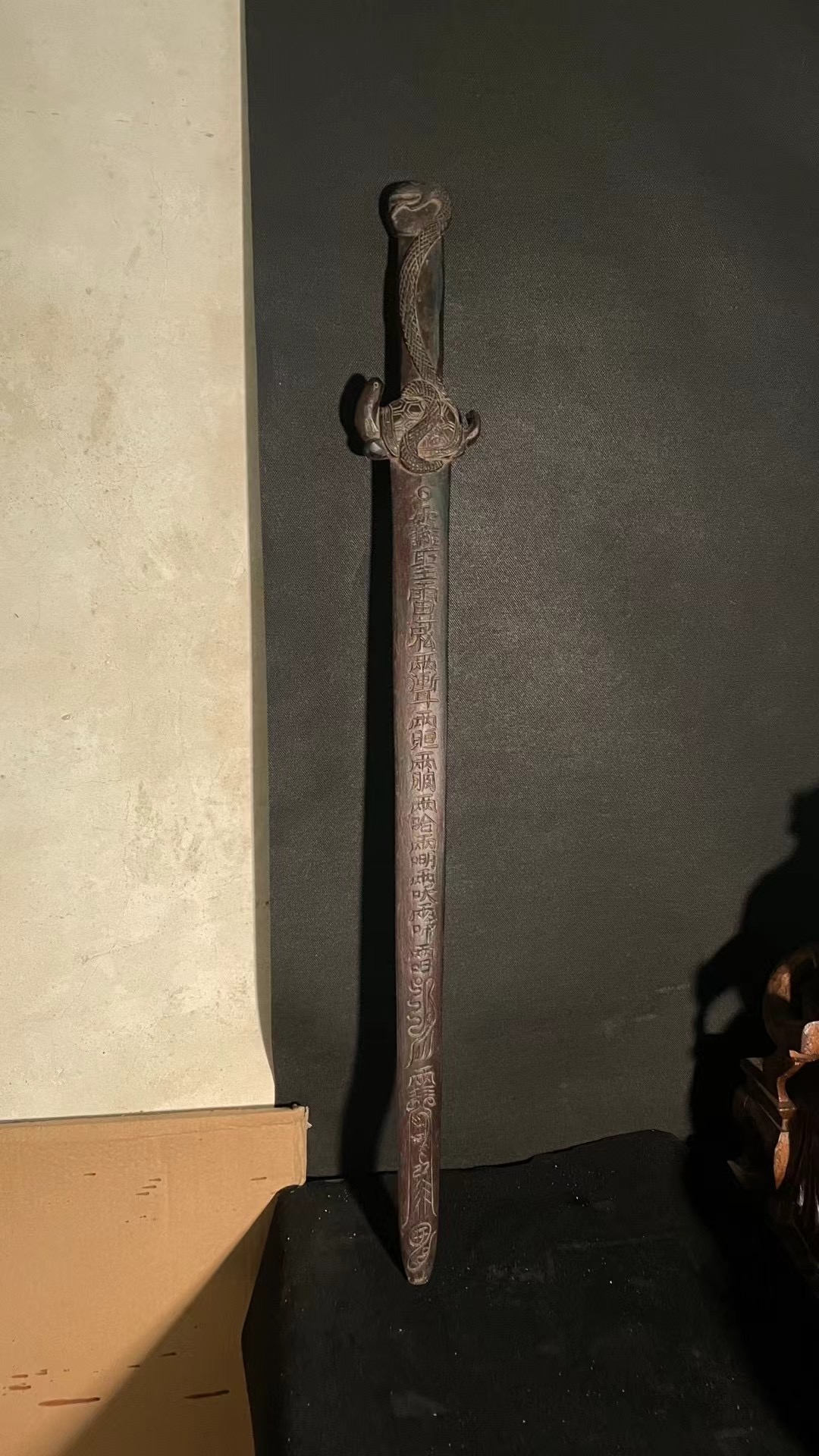
Guan Sheng Dijun, also known as Guan Yu or Guan Gong, was a famous military general in Chinese history who later became revered as the god of war and the god of martial wealth. Honored in both folk beliefs and Taoism, the Guan Sheng Dijun Broad Sword is Guan Yu's symbolic weapon, believed to possess immense authority and power to suppress evil, ward off negative influences, and protect his followers.
Associations: Related to Guan Yu, folk beliefs, Taoism, ceremonies, and traditional culture
Appearance: A typically large sword characterized by its wide, thick blade and long handle
Usage: Taoist ceremonies, temple fairs, folk festivals, martial arts performances, etc.
Functions and Effects
The Guan Sheng Dijun Broad Sword primarily serves the following functions and effects in folk beliefs and Taoist practices:
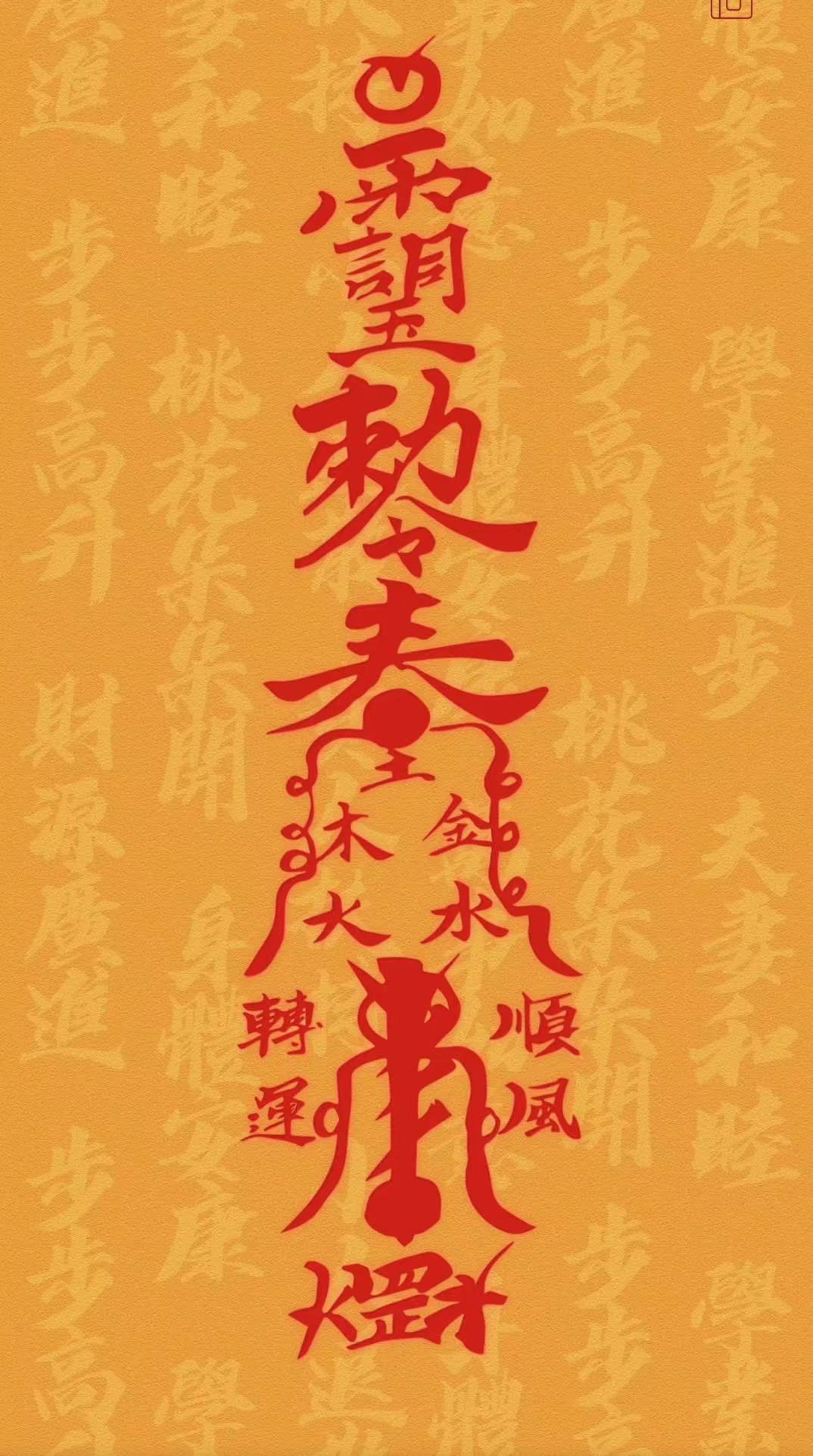
Exorcism and suppressing evil: The Guan Sheng Dijun Broad Sword is believed to possess magical powers to dispel negative energies, subdue demons, and protect followers from evil influences.
Attracting wealth and treasures: As the god of wealth, the Guan Sheng Dijun Broad Sword is also considered to promote wealth and bring about business success.
Religious ceremonies: In Taoist ceremonies and folk activities, the Guan Sheng Dijun Broad Sword serves as a sacred symbol that reflects Guan Sheng Dijun's divine power and blessings.
Cultural symbolism: The Guan Sheng Dijun Broad Sword represents Guan Yu's exalted status in folk beliefs and Taoist traditions, passing down rich historical and cultural legacies.
Specific legends, origins, and roles of the Guan Sheng Dijun Broad Sword may differ depending on regional variations, Taoist sects, and folk beliefs. Nevertheless, the Guan Sheng Dijun Broad Sword remains an essential symbol within Taoist beliefs and folk culture, holding a special position in Taoist faith and folk practices.
 Inquiry
 Inquiry
 Inquiry
 Inquiry
 Inquiry
 Inquiry
 Inquiry
 Inquiry
Copyright © 2026 By Taoist Treasures
 WhatsApp