
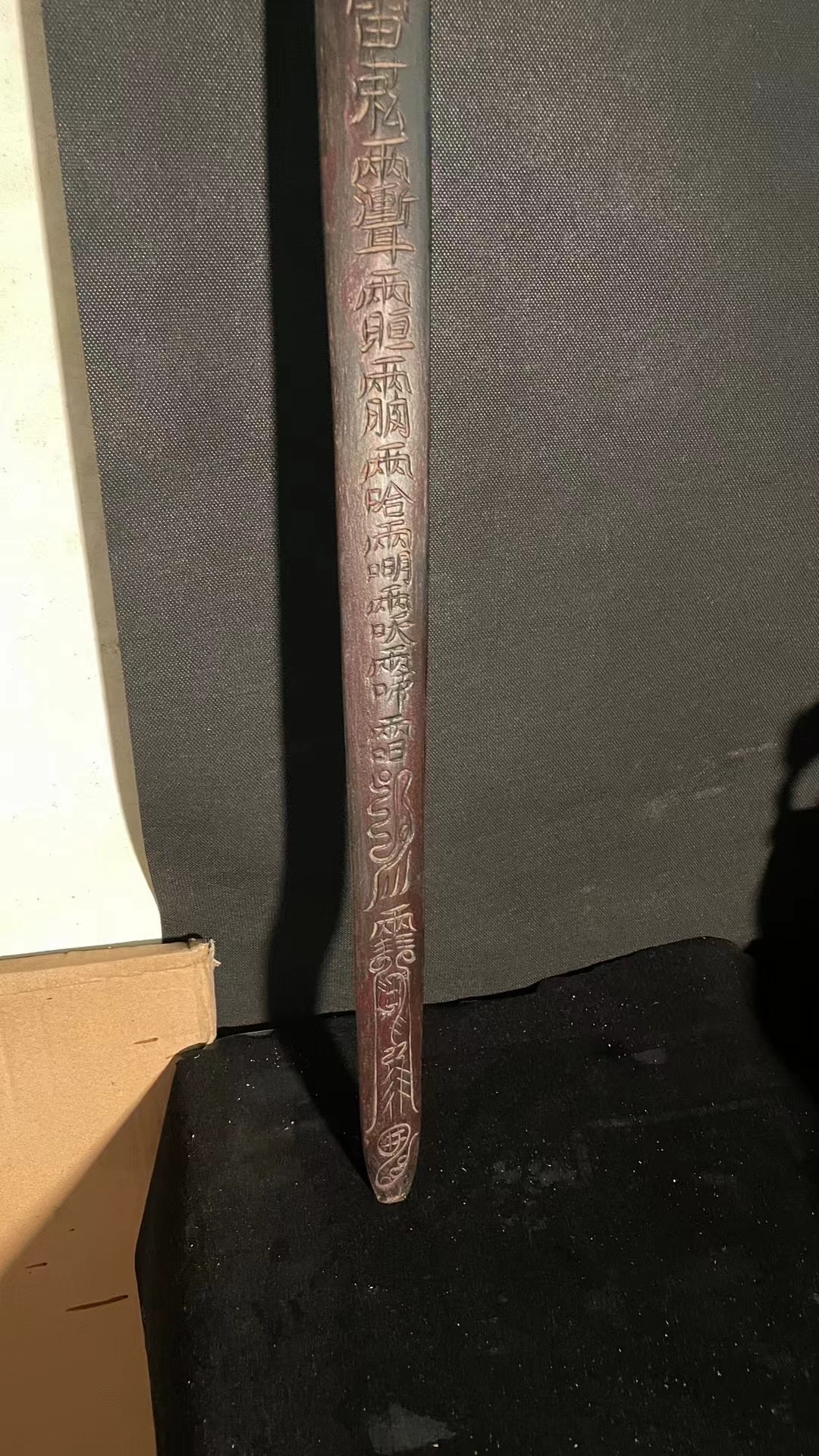
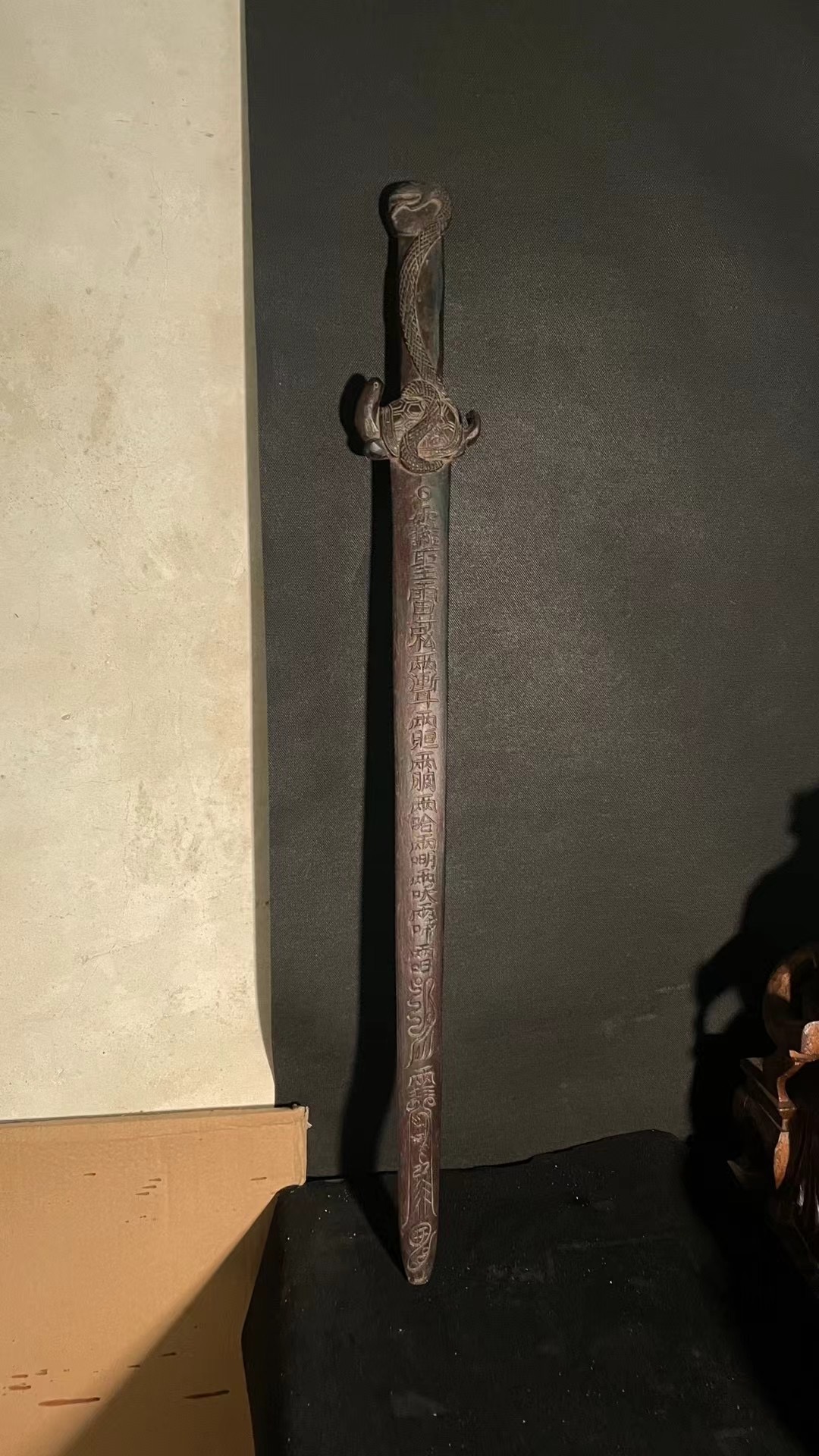
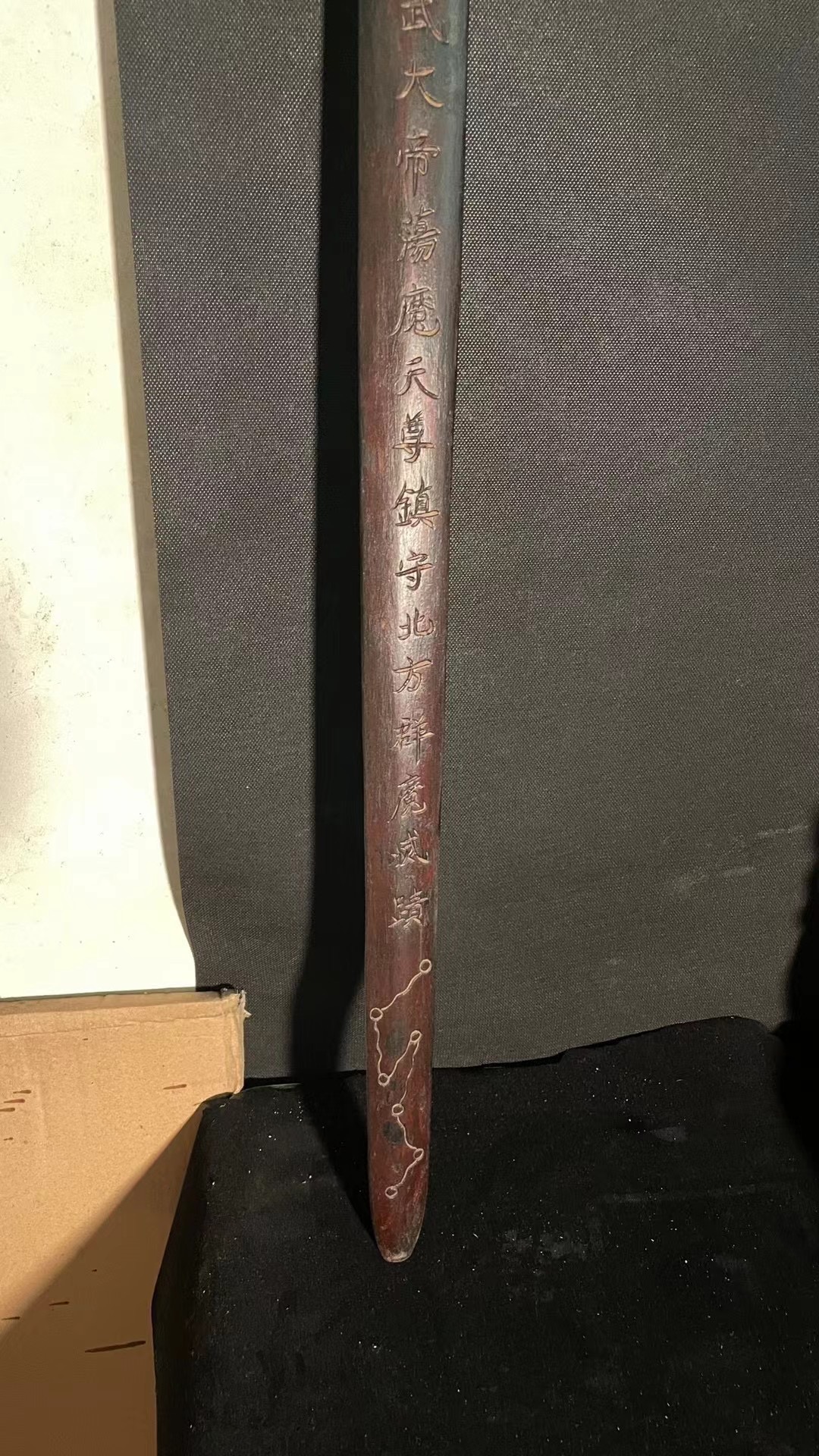
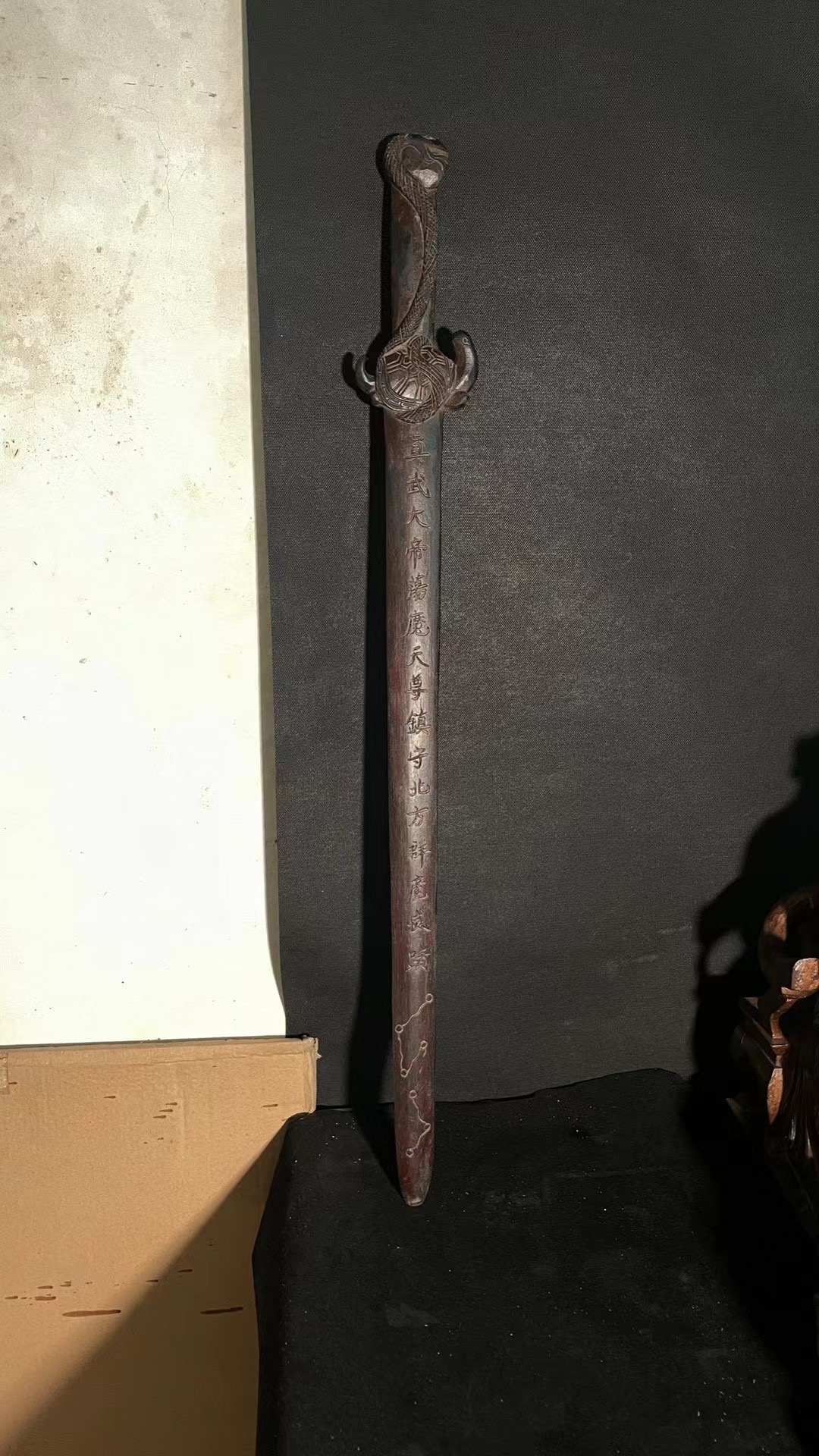
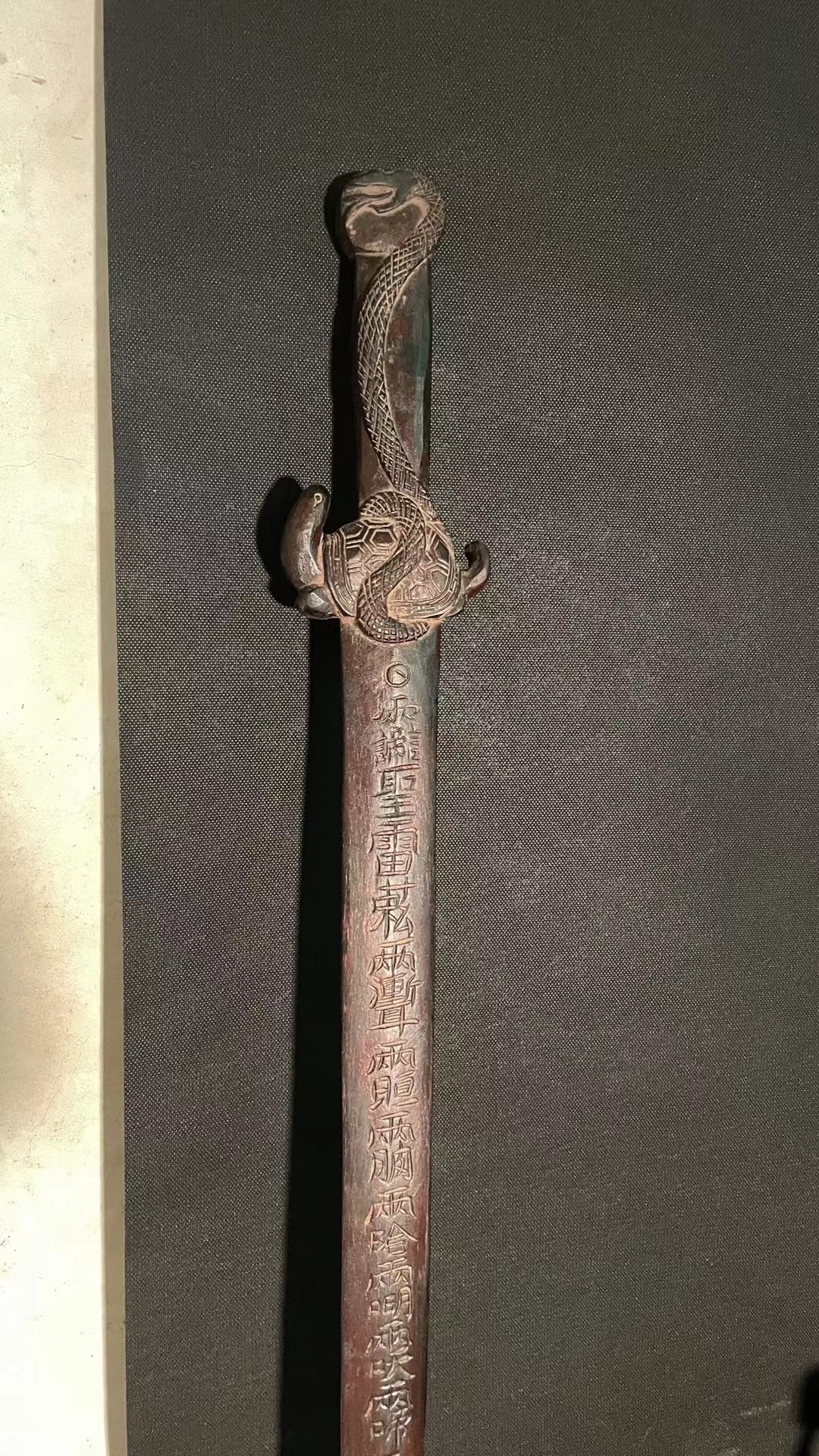
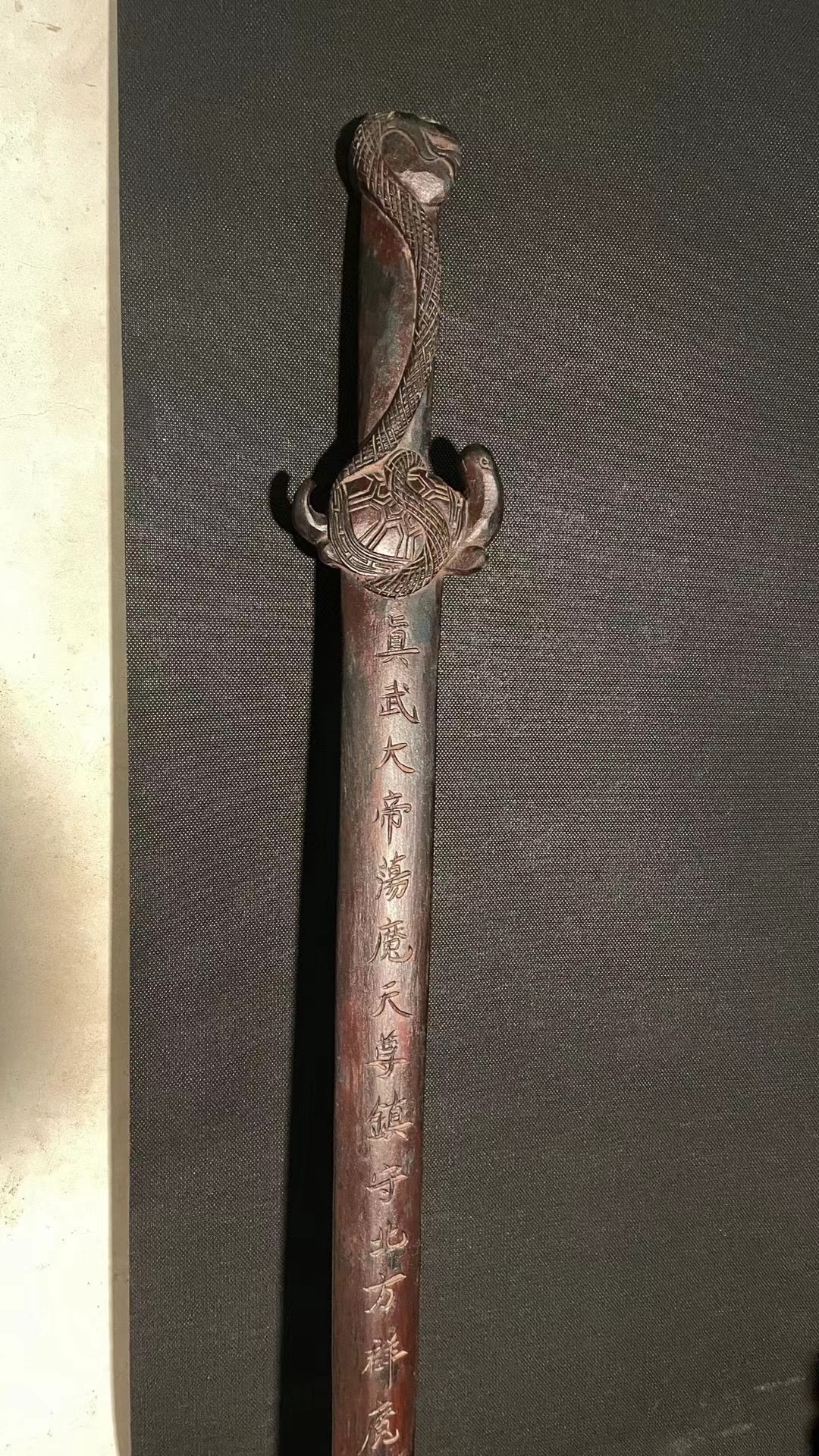
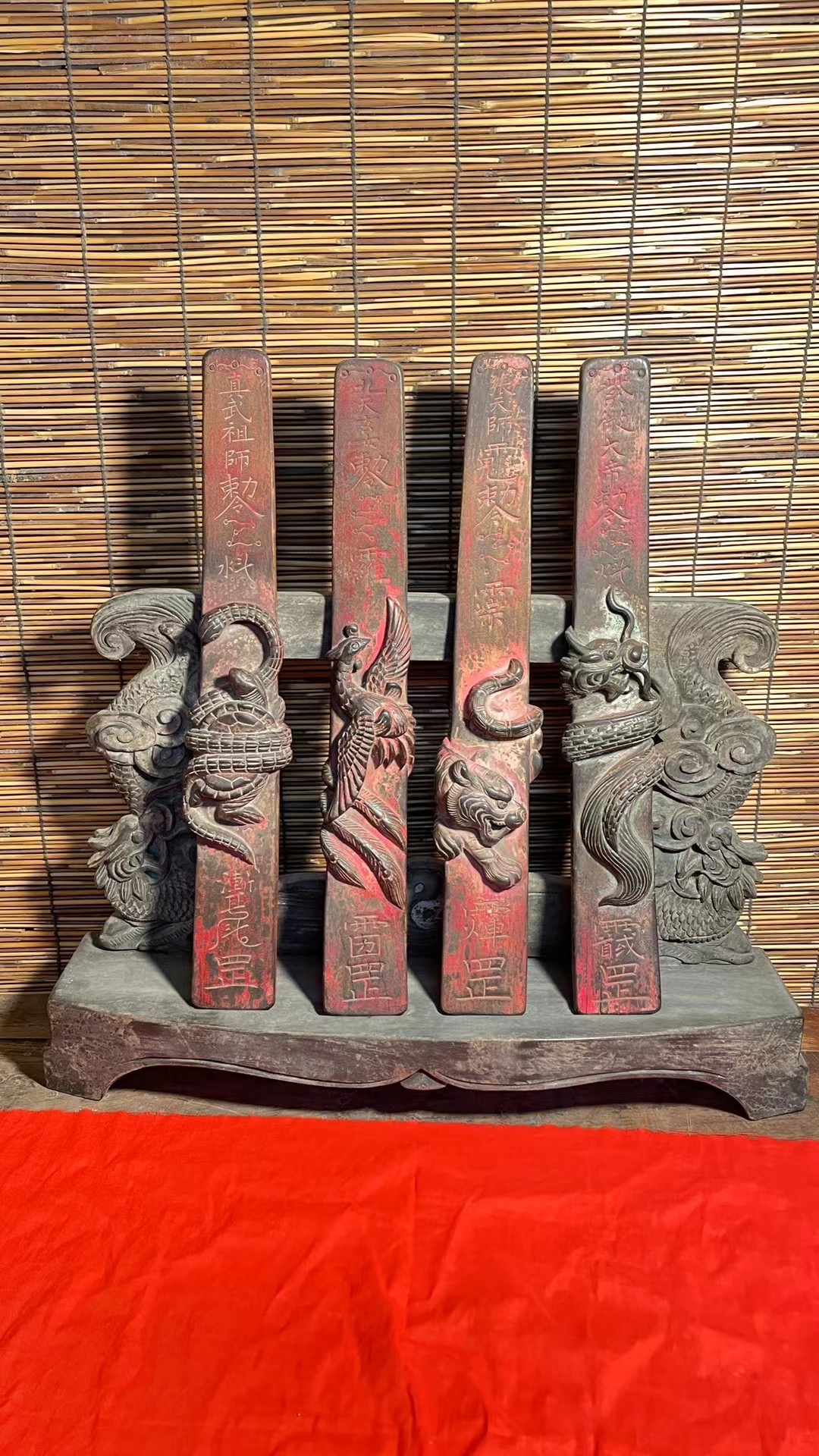
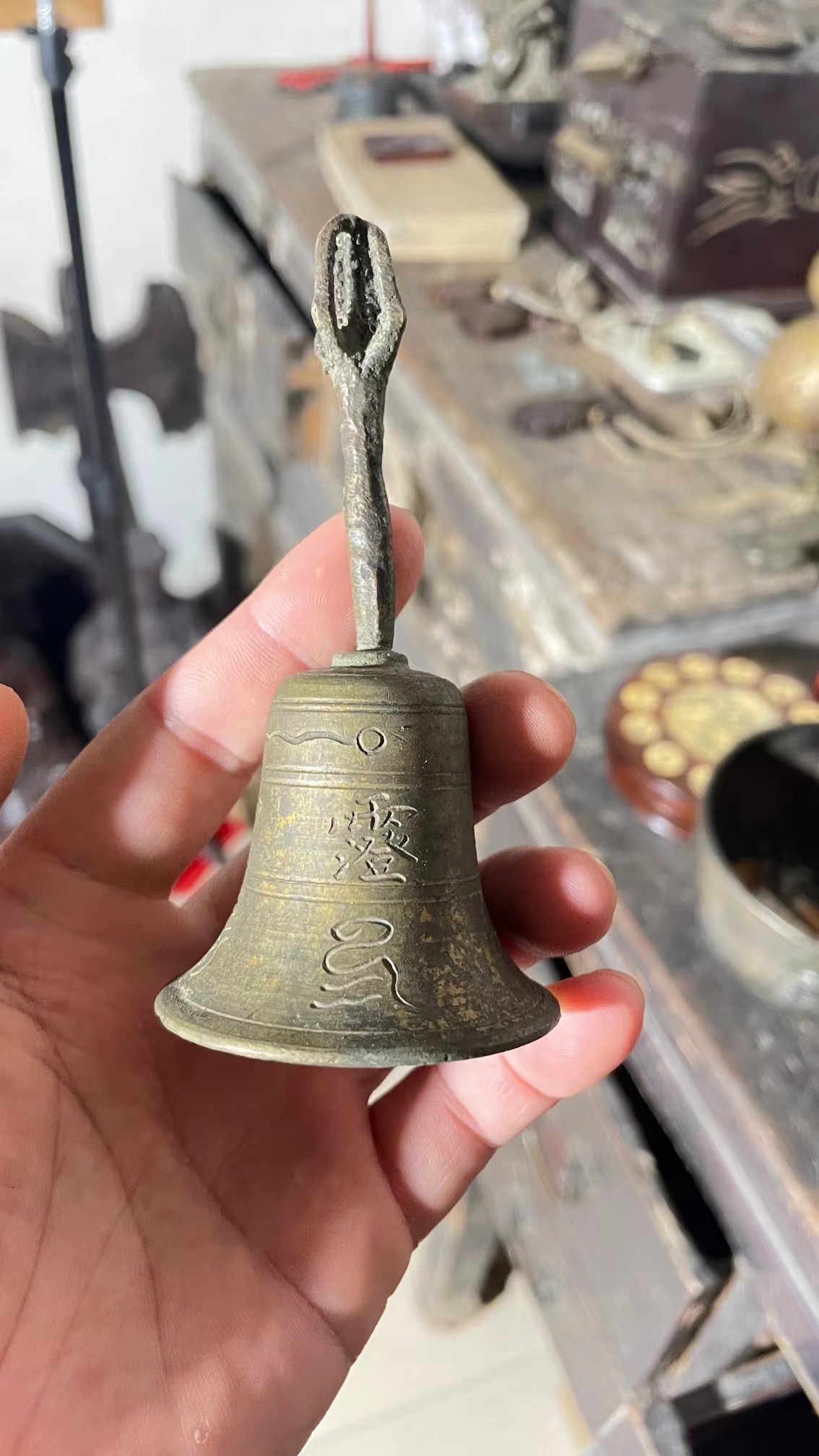
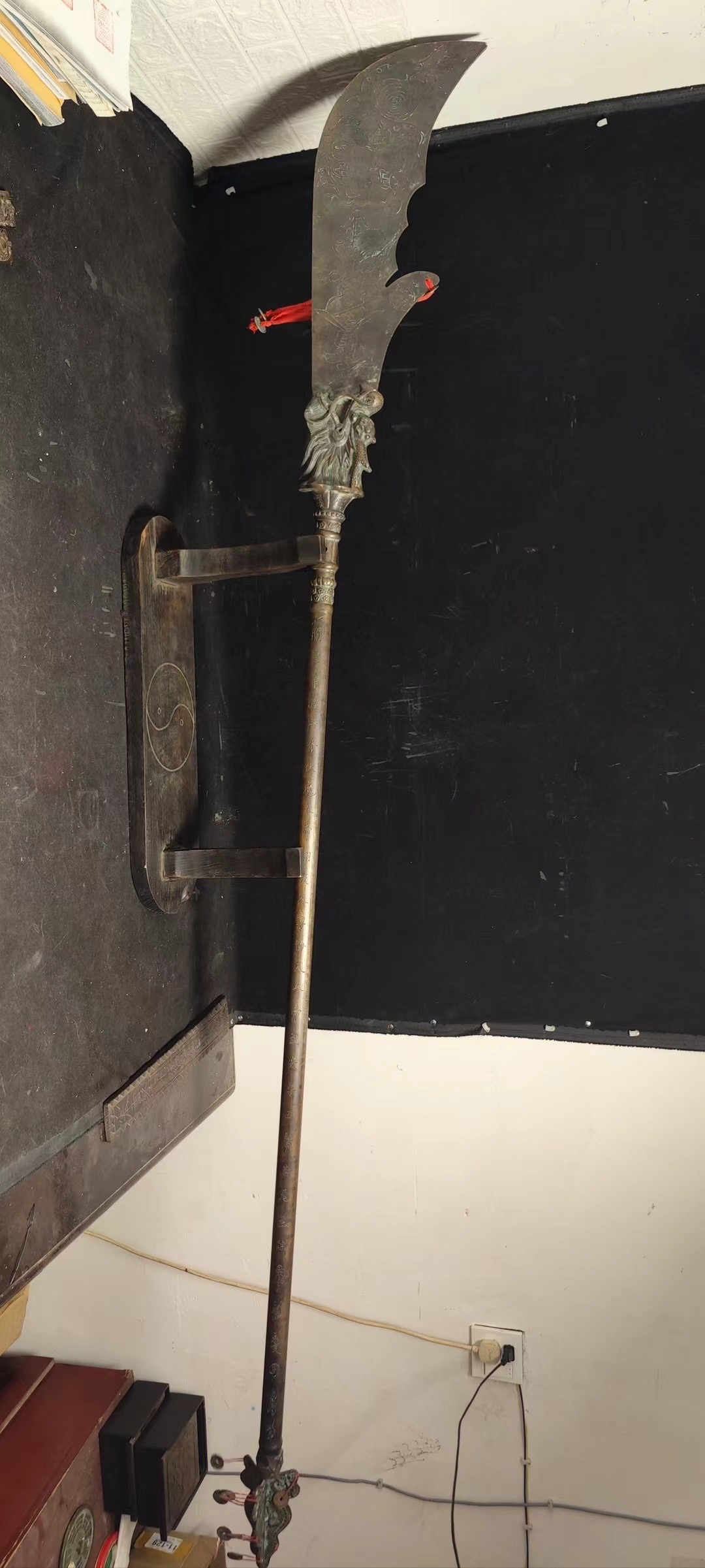
The concepts of tortoise, serpent, Zhenwu, and ancestor all have important positions in Taoist culture. Here is a detailed introduction to this sword:
I. Cultural significance of the tortoise and serpent
Tortoise: In ancient legends, the tortoise symbolizes longevity, wisdom, and auspiciousness, representing long life and "living as long as the southern mountains." Ancient emperors often used the tortoise as a symbol of their power and status.
Serpent: The serpent often symbolizes mystery, change, and energy. In Taoist culture, snakes are closely related to dragons, sometimes representing one form of the dragon.
II. Zhenwu Ancestor
The Zhenwu Ancestor is a supreme deity in Taoism and the founder of Taoist cultivation. He often uses techniques such as the golden flame and thunder fire to inspire believers to refine their souls. The Big Dipper, the residence of Zhenwu, is revered as a symbol of "heavenly blessings and terrene transformation."
III. Peach Wood Sword
The peach wood sword holds special significance in Taoist beliefs:
Peach Wood: It is said that peach wood has a strong power to suppress and ward off evil, which is why it is one of the common materials used in Taoist religious instruments. Swords made of peach wood are believed to enhance Taoist magical powers.
Sword: There are many types of swords in Taoist religious instruments, and the peach wood sword is highly respected due to its material and mysterious aura. In Taoist beliefs, the sword represents sharpness, the elimination of evil energies, and the protection of believers from disaster.
Combining these cultural elements, the Tortoise and Serpent Zhenwu Ancestor Peach Wood Sword encompasses multiple meanings in Taoist culture. Traditional beliefs hold that possessing this sword may receive the blessing of Zhenwu, drive away evil spirits, and prolong life. However, it is important to note that in modern society, these cultural beliefs should not be superstitiously followed but understood and learned with a rational mindset.
 Inquiry
 Inquiry
 Inquiry
 Inquiry
 Inquiry
 Inquiry
 Inquiry
 Inquiry
Copyright © 2026 By Taoist Treasures
 WhatsApp