
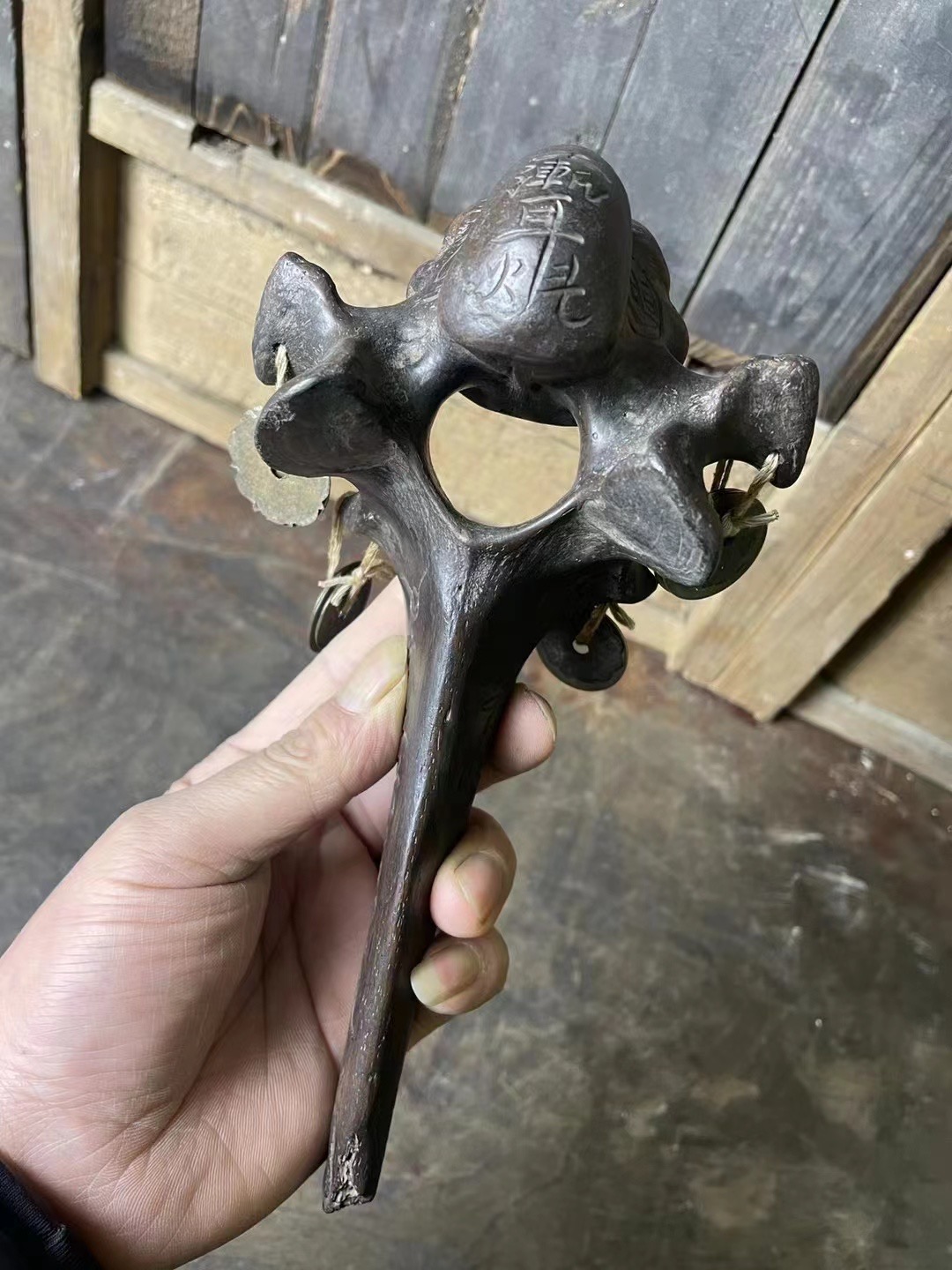
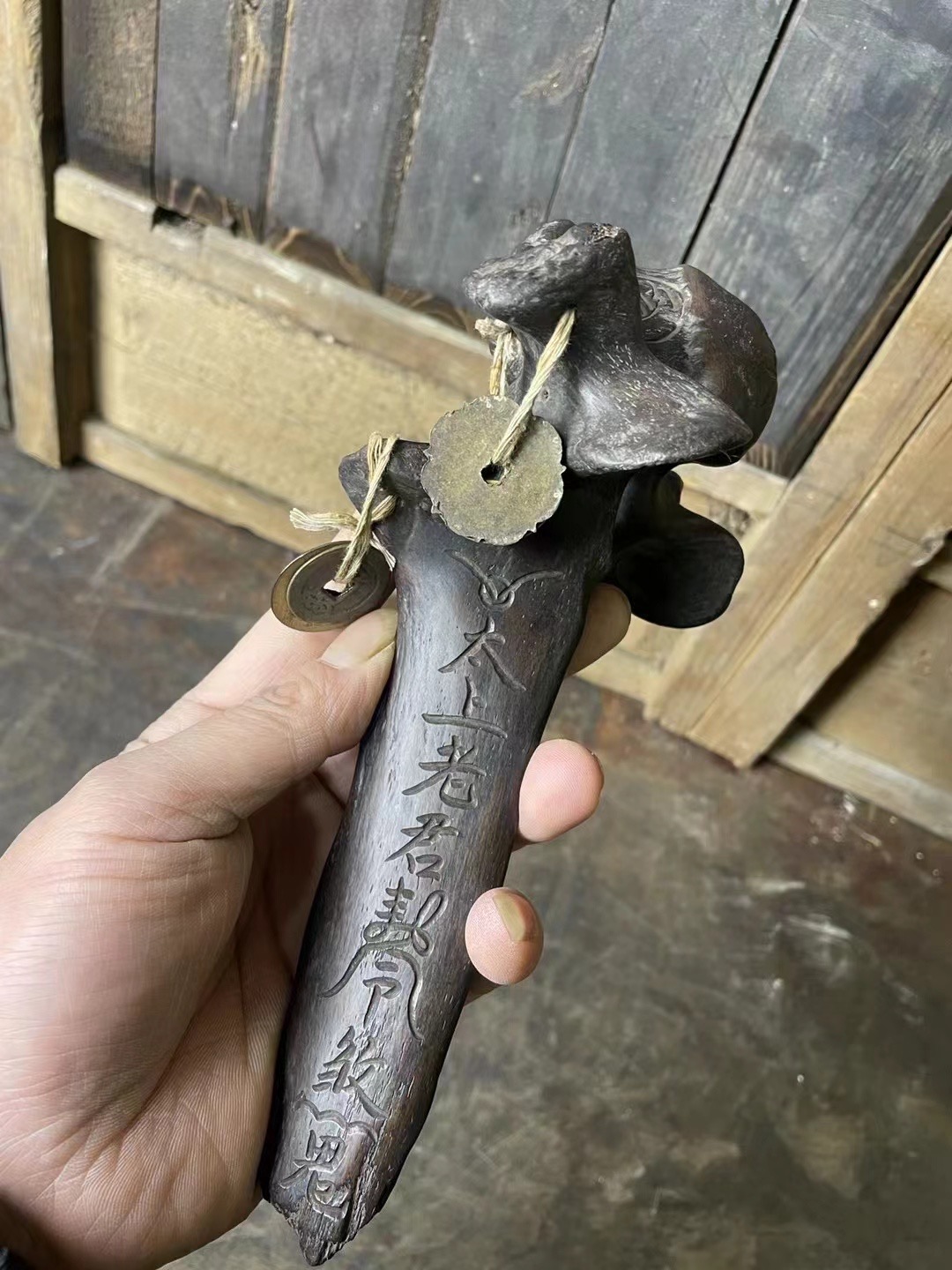
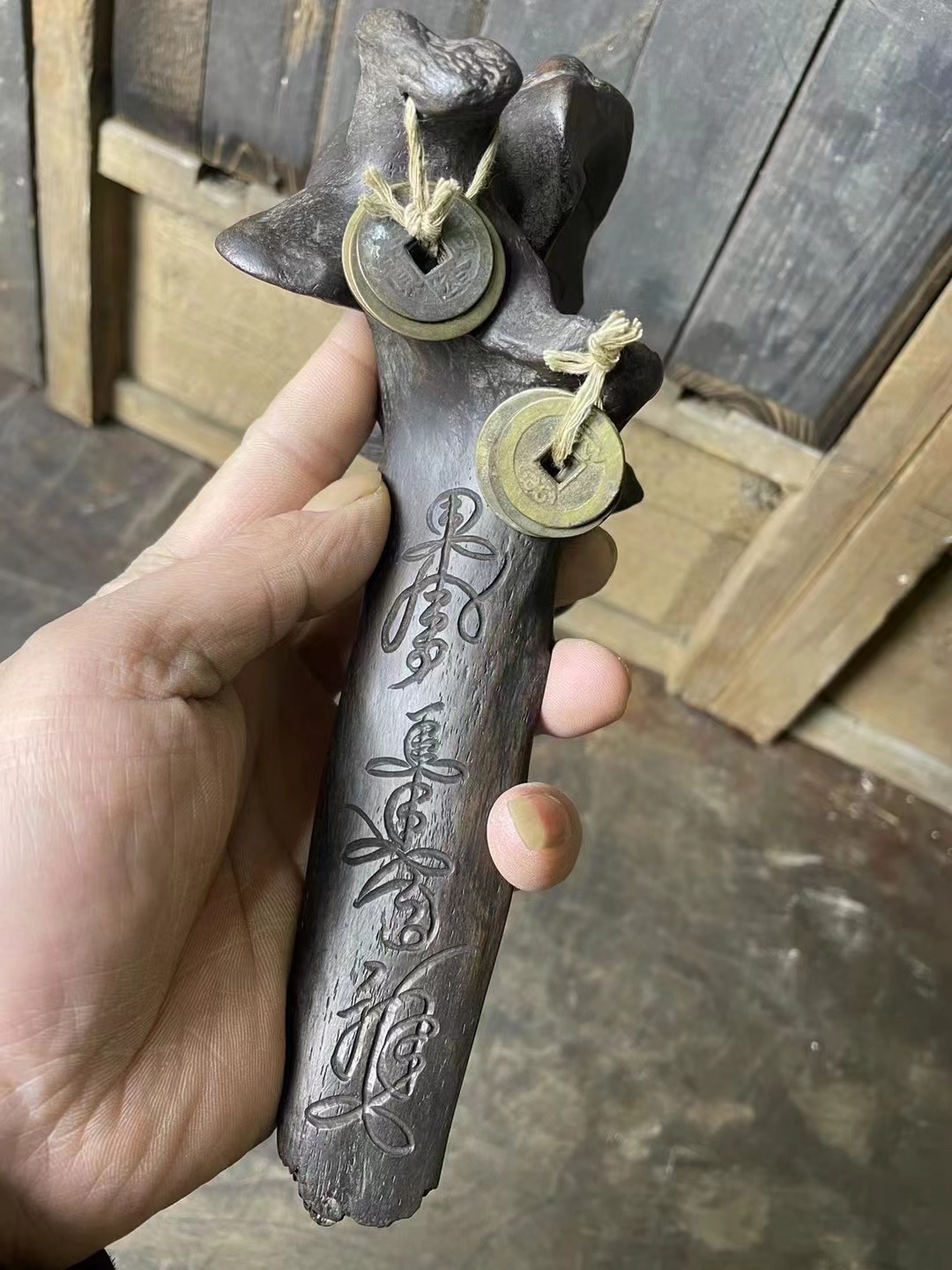
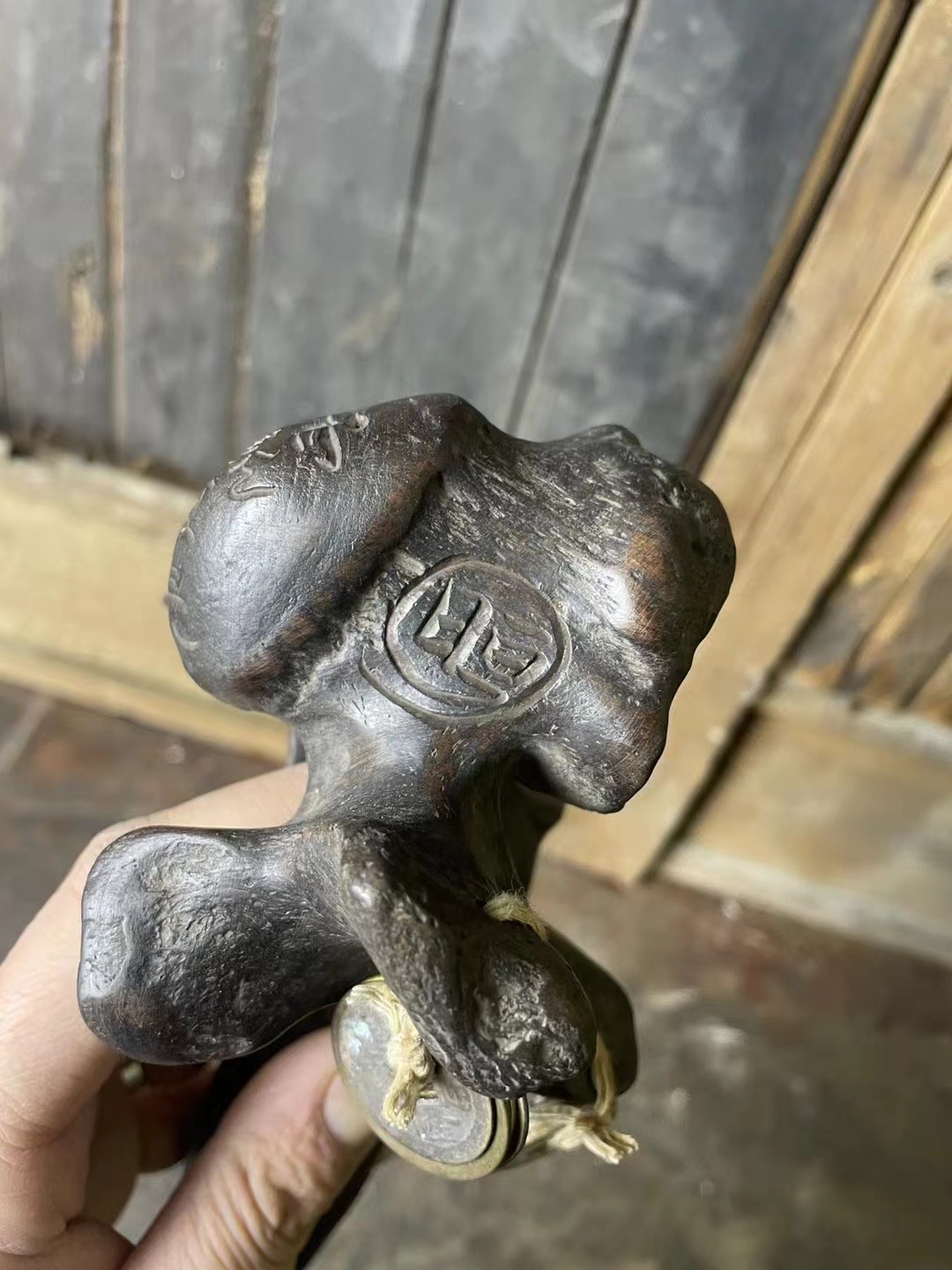
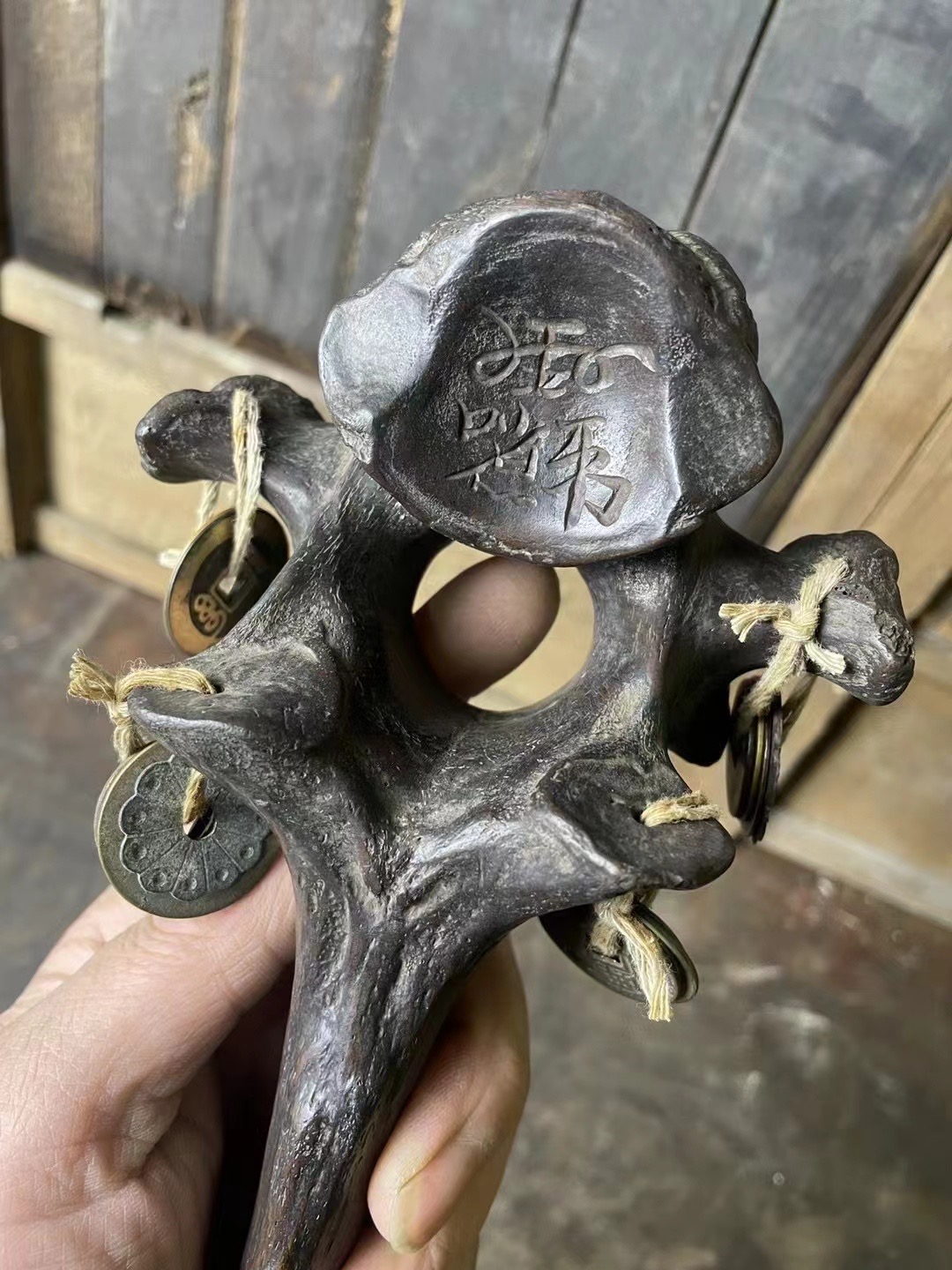
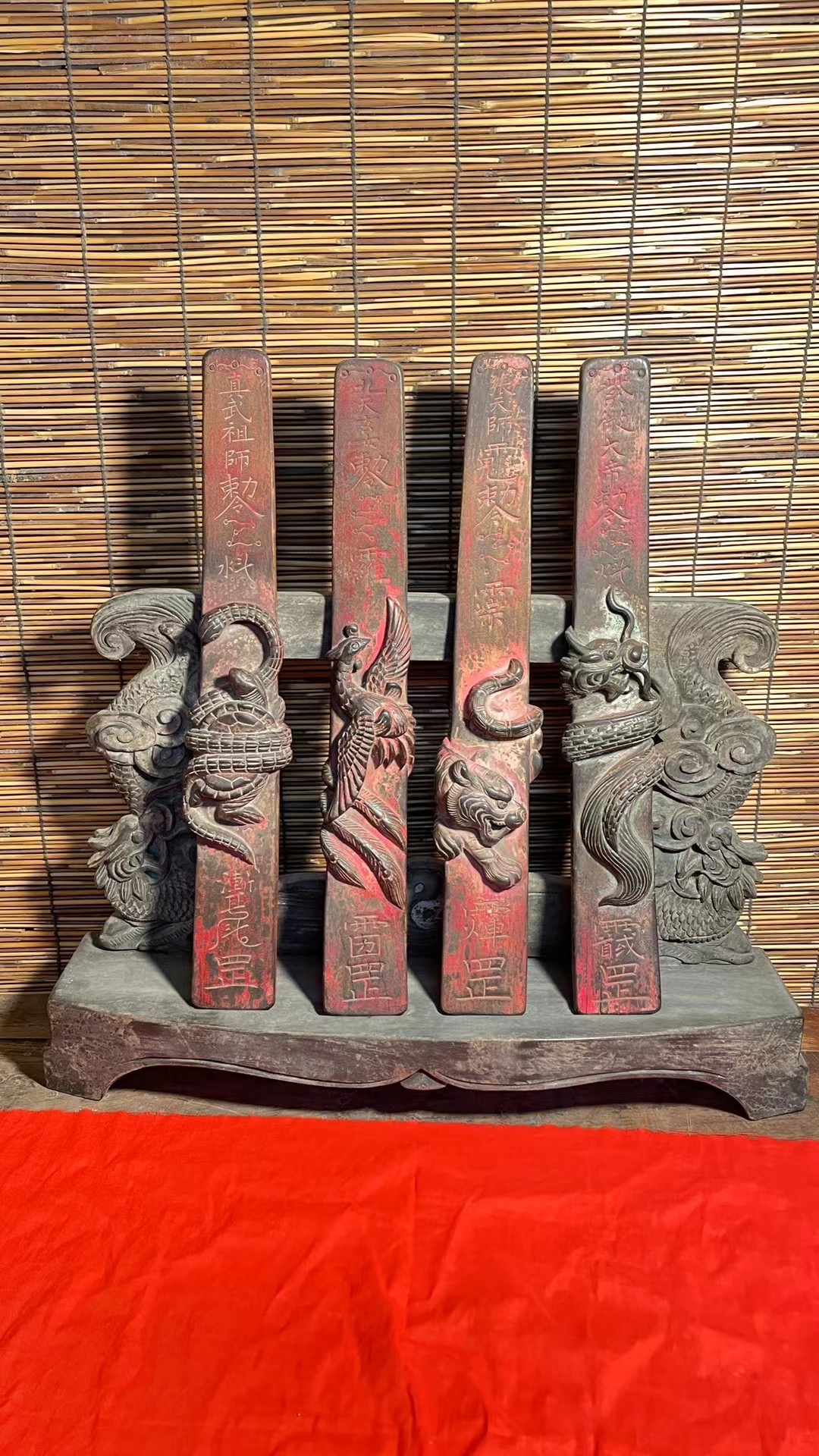
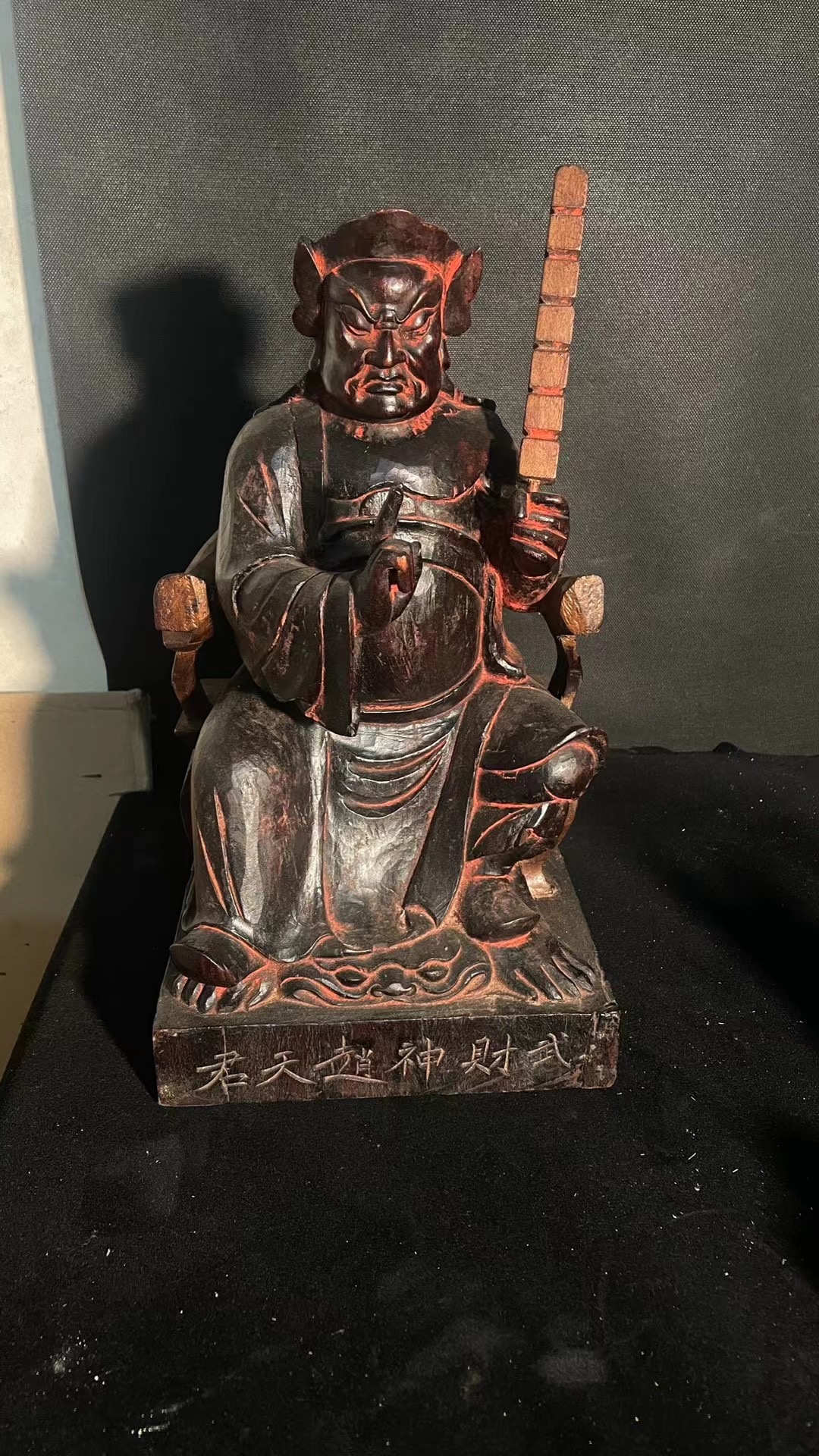
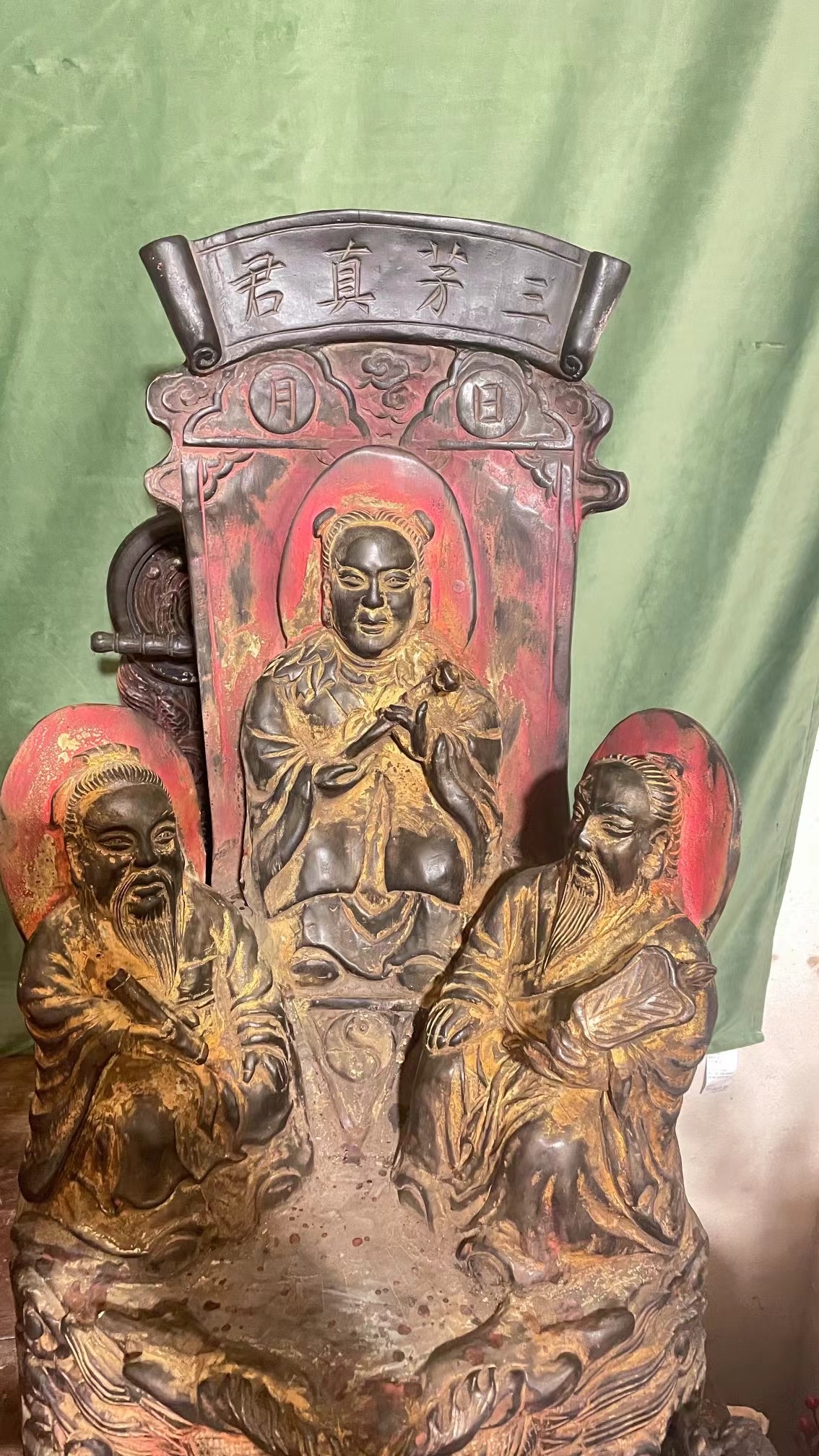
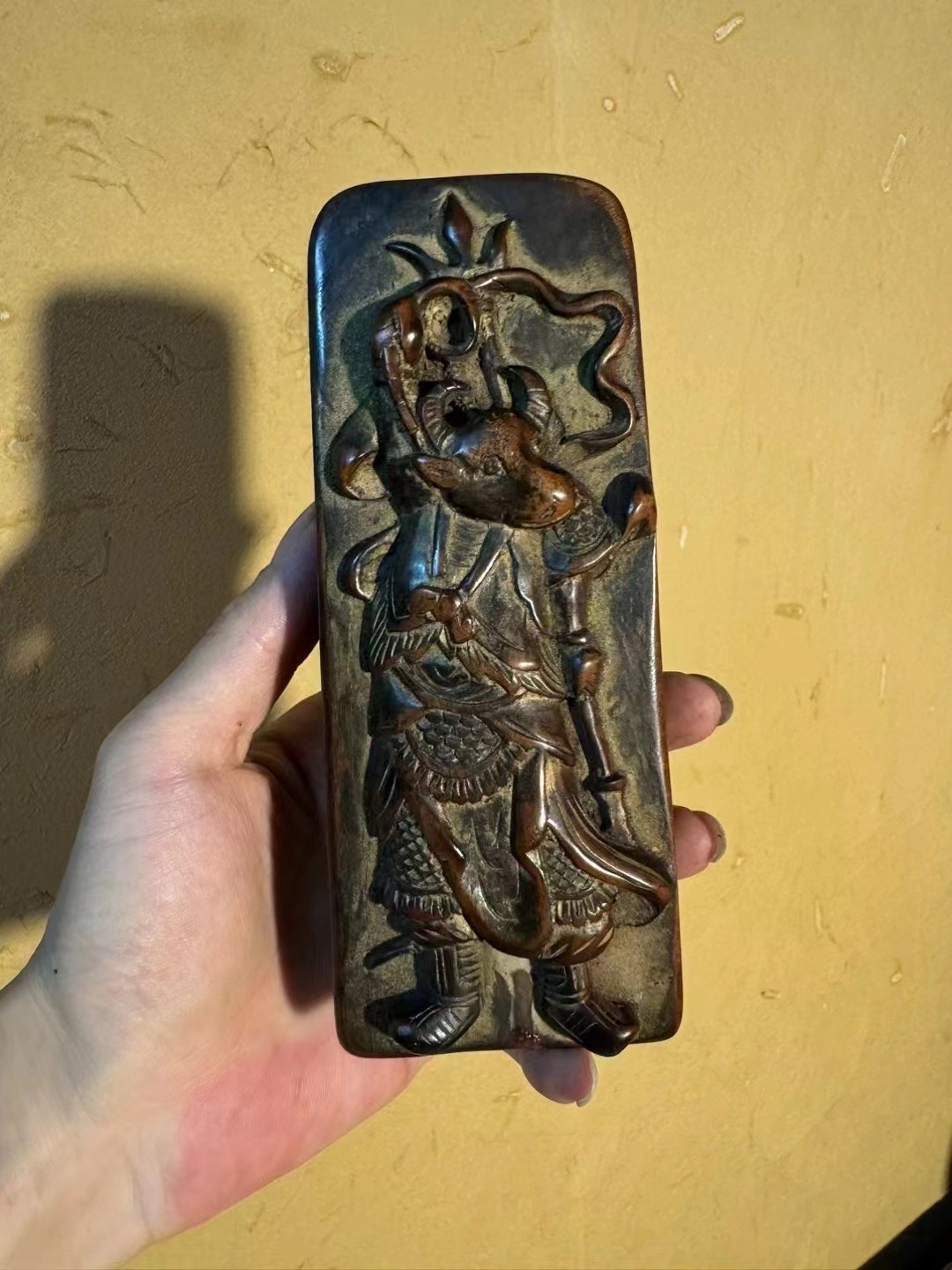
They have a rich historical background in ancient civilizations and are closely connected to local beliefs, culture, and traditions.
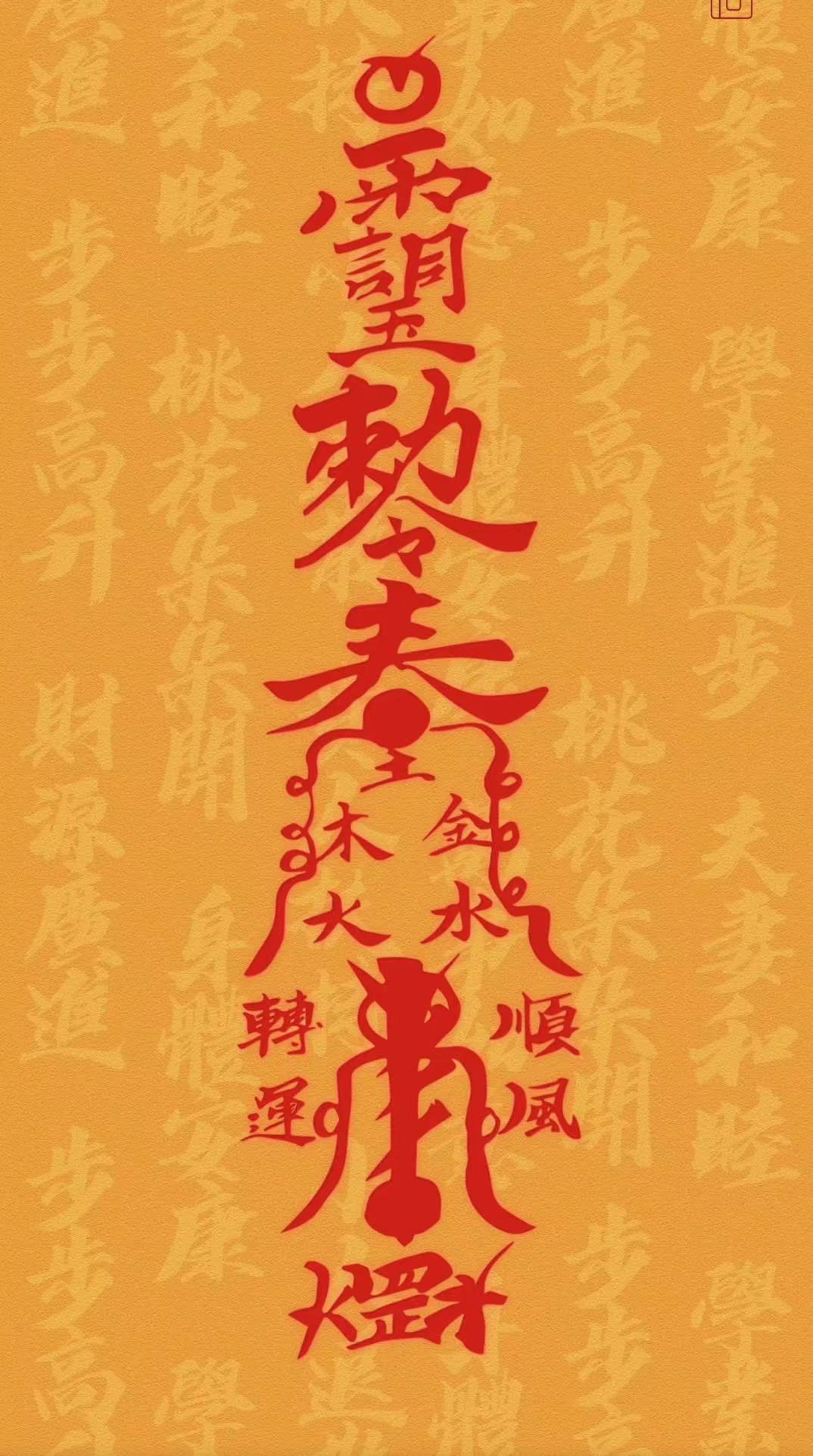
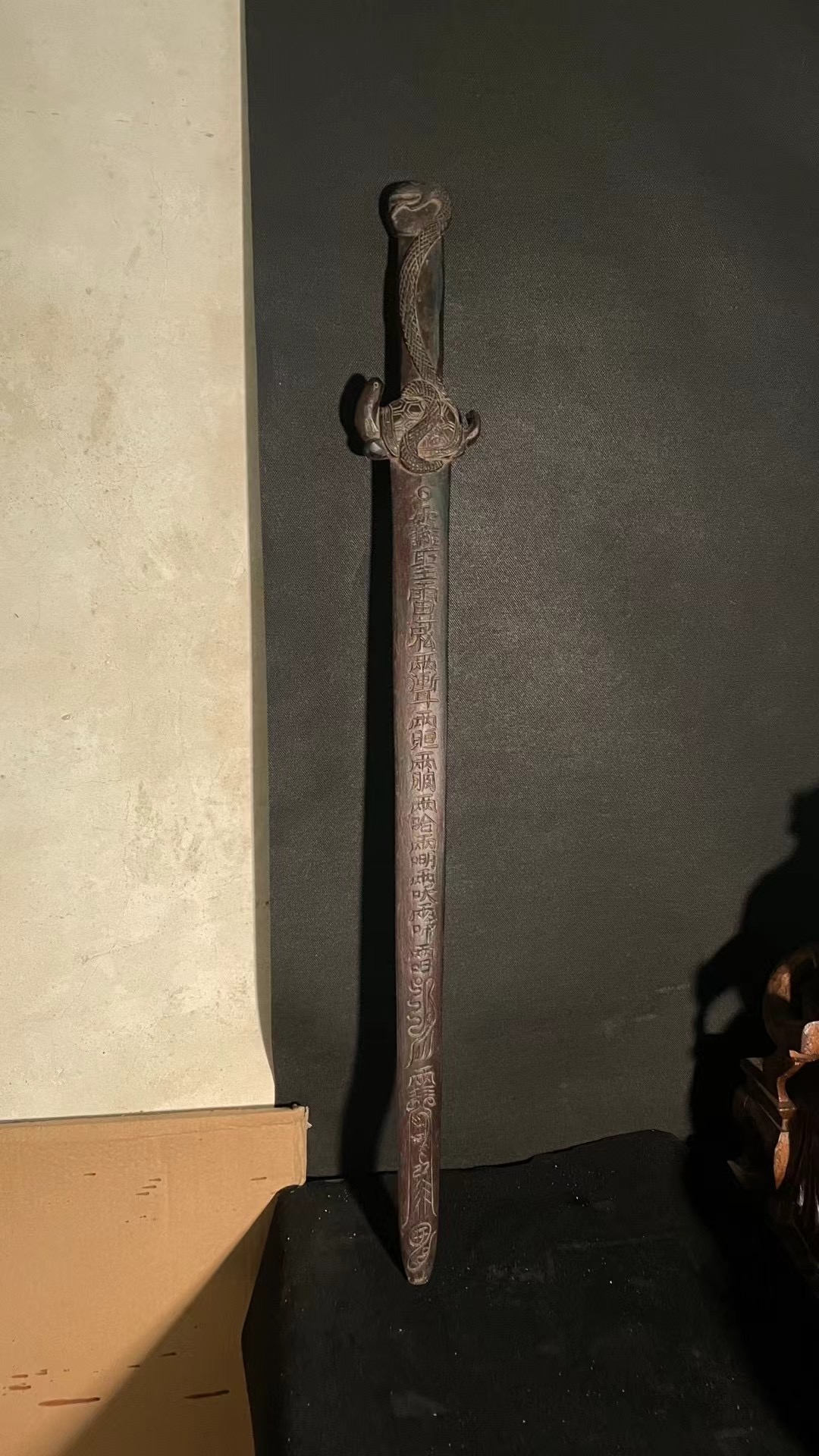
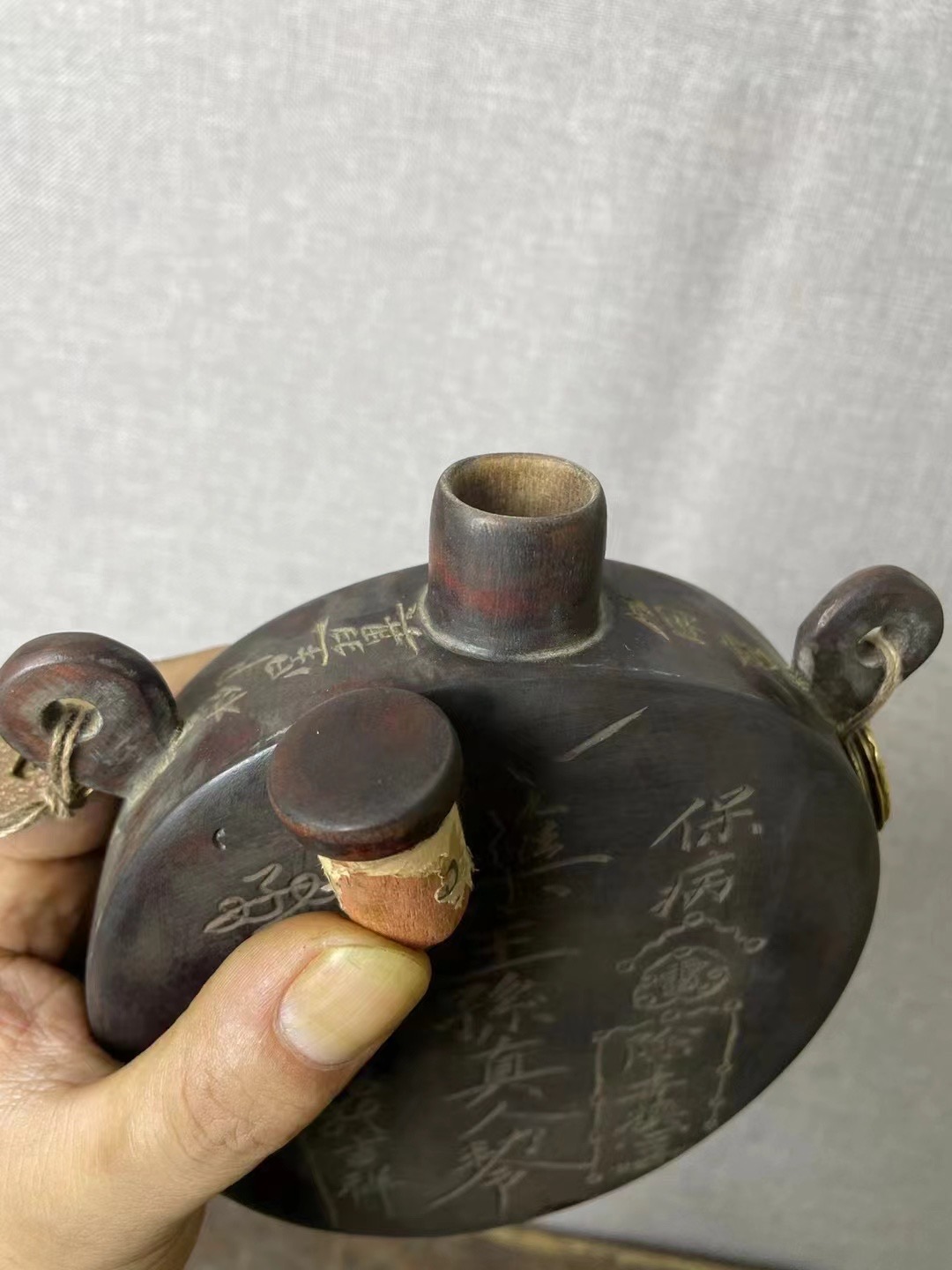
Many ancient civilizations, such as primitive tribes and ancient societies, employed bone ritual implements in religious ceremonies or sacrificial activities. In some belief systems, particularly primitive religions and shamanistic practices, bones are considered to possess magical powers that can ward off evil and beseech the blessings and protection of deities.
Functions and Effects
Bone ritual implements typically serve the following functions and effects:
Religious ceremonies: Used for various religious ceremonies, such as prayers, sacrifices, and shamanistic practices, to pay homage and request assistance and protection from deities.
Protective measures against evil: Bone ritual implements are believed to have the power to ward off evil spirits and protect believers from evil influences and disasters.
Communication with deities: By using bone ritual implements, believers attempt to communicate with deities to seek their protection and support.
Symbols of tradition and culture: Bone ritual implements, as mysterious traditional symbols, reflect the characteristics of local religions and cultures.
It is worth noting that bone ritual implements may be accompanied by certain taboos or special customs. In modern society, many ancient artifacts are preserved in museums, where they are protected and studied as part of historical heritage. The study of bone ritual implements offers insights into the richness of ancient beliefs and cultures.
 Inquiry
 Inquiry
 Inquiry
 Inquiry
 Inquiry
 Inquiry
 Inquiry
 Inquiry
Copyright © 2026 By Taoist Treasures
 WhatsApp