
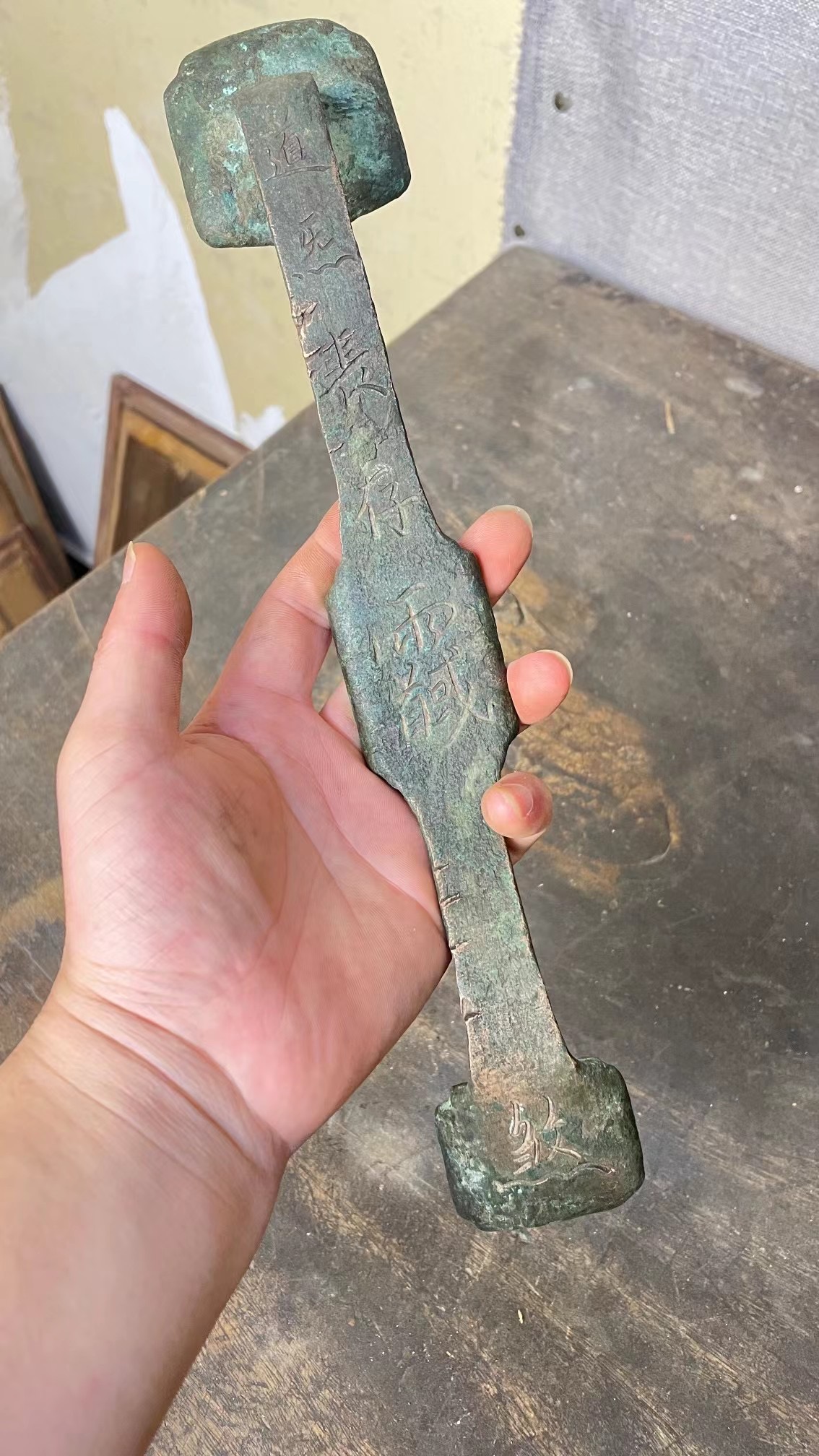
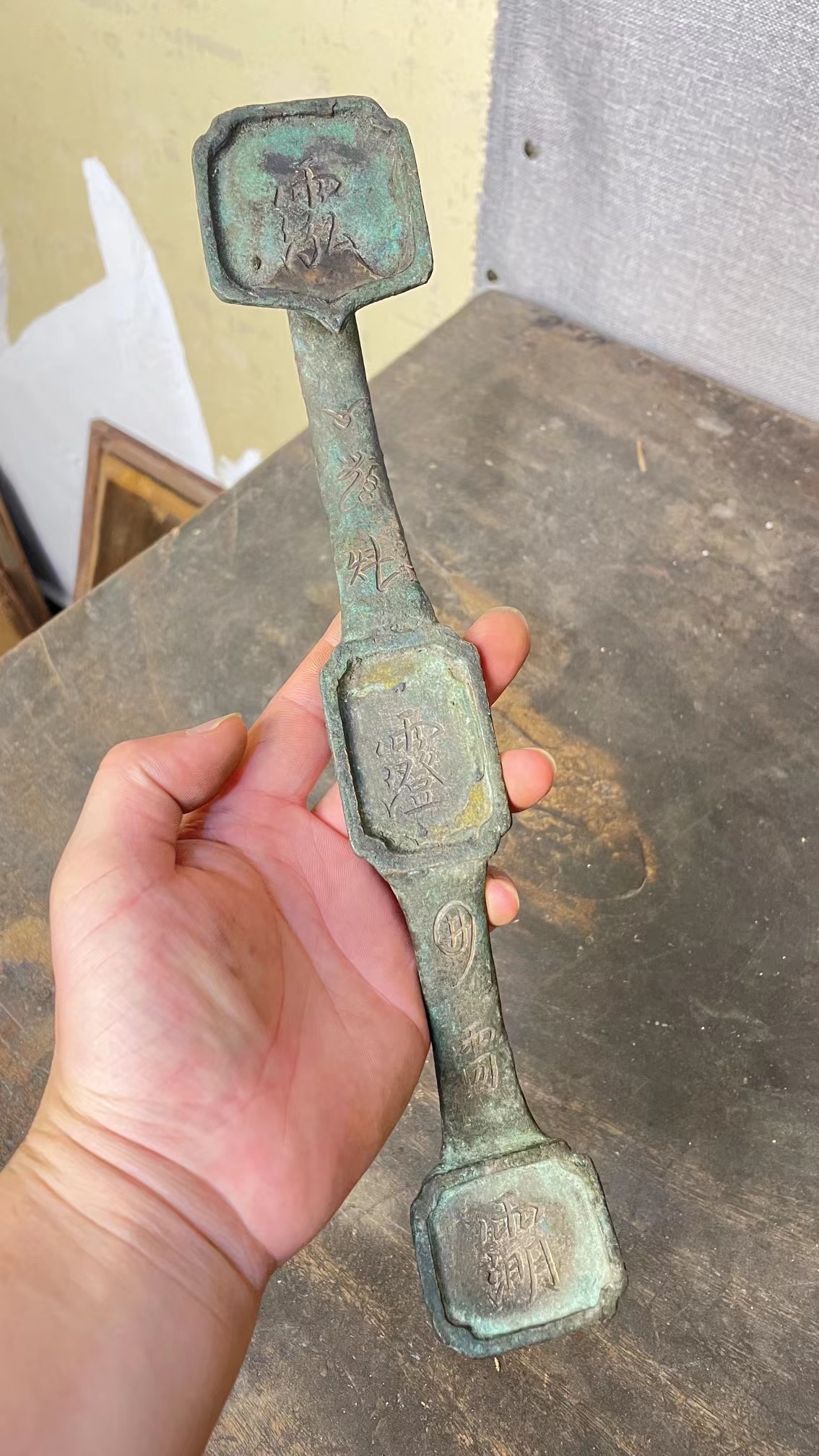
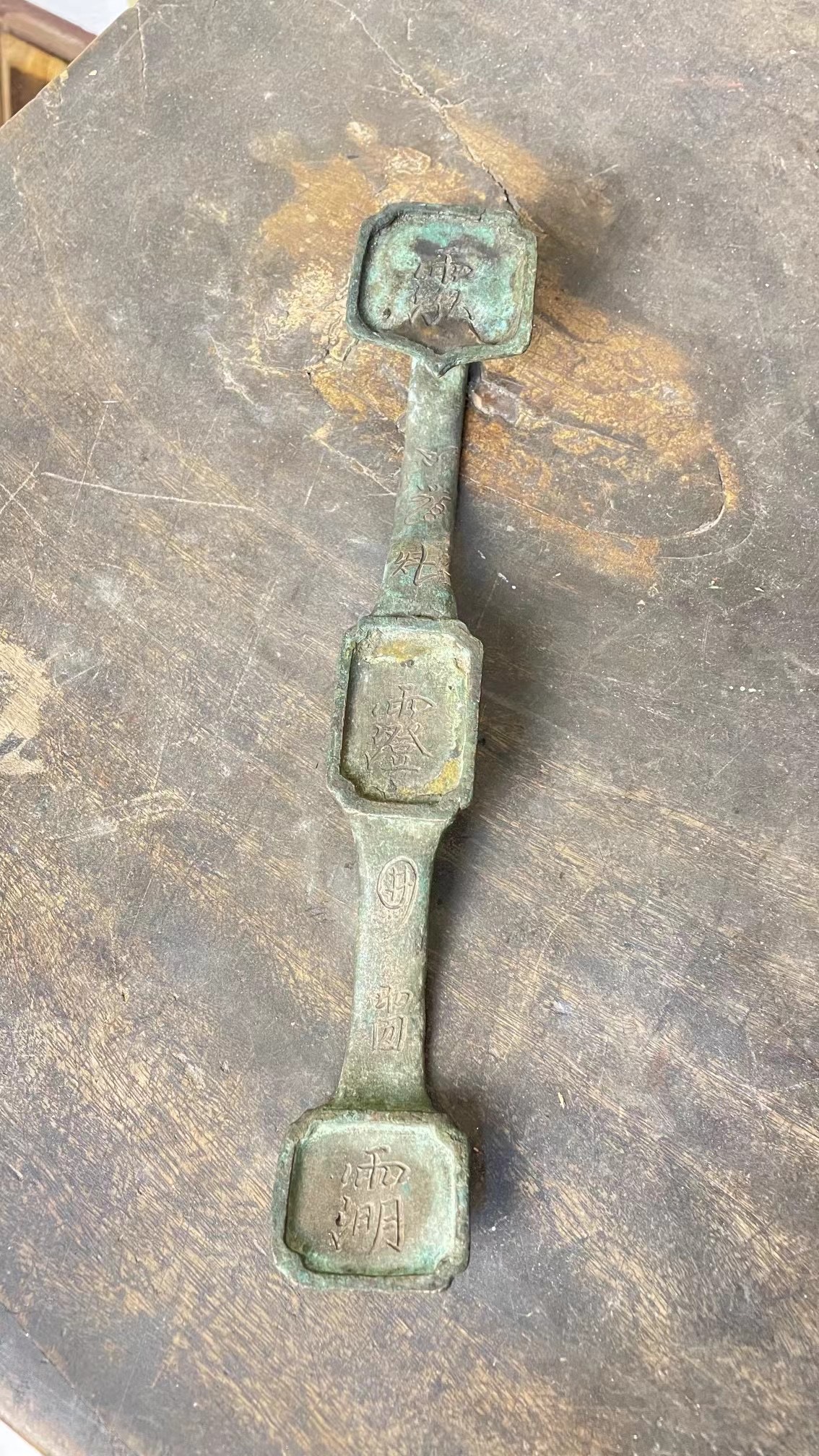
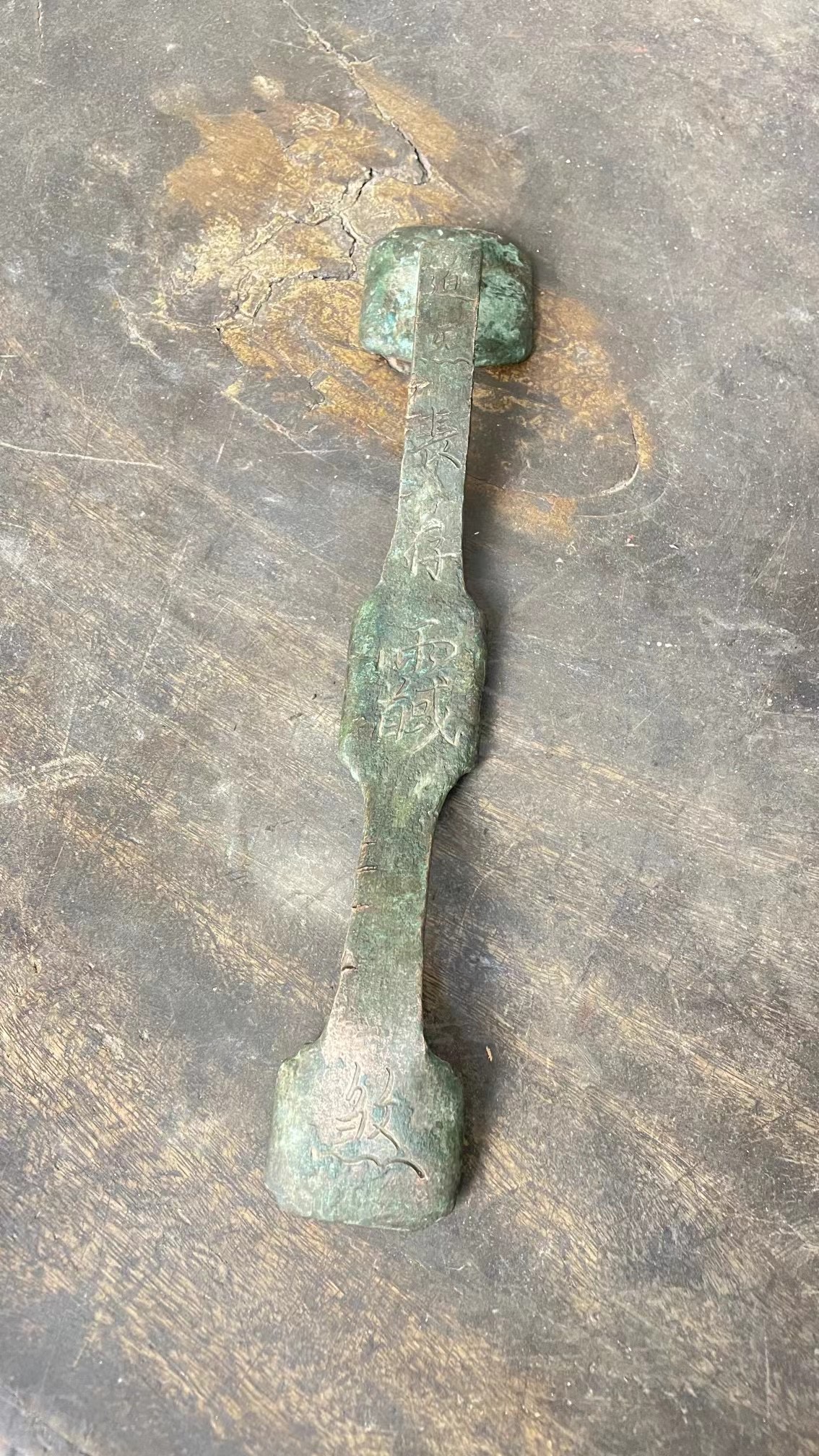
The name "Ruyi" signifies "as one wishes" or "everything goes well," reflecting its symbolic meaning. Historically, the Ruyi has been used to symbolize power, status, and wealth. The designs of Ruyi vary, and they can be made from various materials such as wood, stone, ivory, and jade.
Functions and Symbolism:
Decoration: The Ruyi can be used as a decoration or ornament displayed in homes or temples to pray for auspicious blessings.
Gift: The Ruyi is often given as a gift, conveying the giver's wish for the recipient's success and smooth-sailing life.
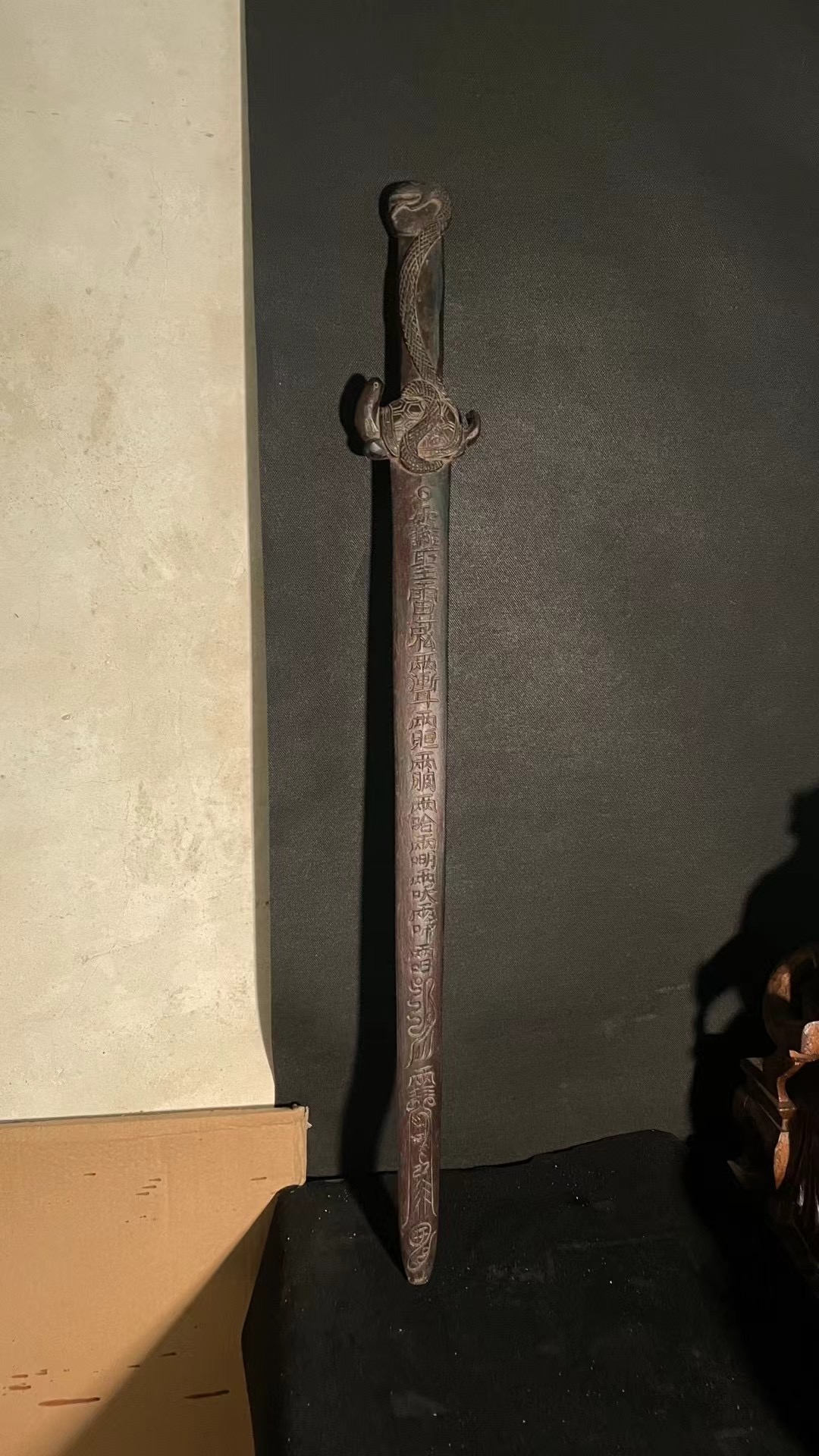
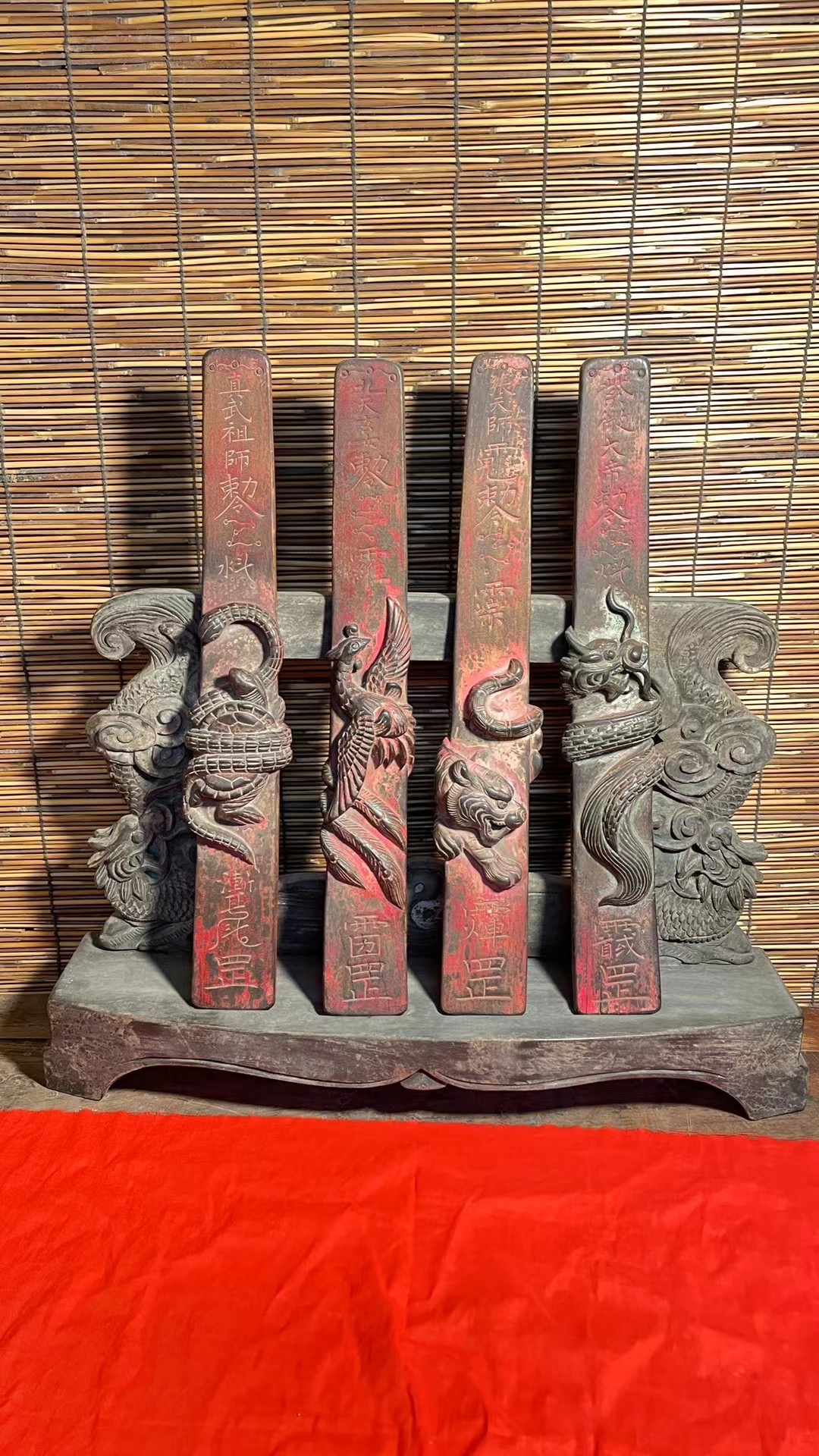
Ritual Implement: The Ruyi is frequently utilized as a ritual implement in Taoism and Buddhism. During religious ceremonies, monks may wield the Ruyi to pray for peace and protection.
Related Legends:
The Ruyi appears in ancient Chinese myths and legends, with two famous examples being:
Ruyi Jingu Bang: This magical weapon is used by Sun Wukong, the protagonist of "Journey to the West." The Ruyi Jingu Bang can change its size and length according to its master's will, assisting Sun Wukong in defeating demons and protecting the monk Tang Sanzang as he seeks the true scriptures.
Ruyi Pearl: In myth, the Ruyi Pearl is a treasure found in the Dragon Palace. The holder can fulfill any wish and possess immense magical power. The most well-known story featuring the Ruyi Pearl is the "King of Yasha" tale from the Dunhuang Manuscripts.
In conclusion, the Ruyi is an item of special significance in Chinese traditional culture. It serves as both a spiritual object or tool for expressing wishes and a symbol of social status and power.
 Inquiry
 Inquiry
 Inquiry
 Inquiry
 Inquiry
 Inquiry
 Inquiry
 Inquiry
Copyright © 2026 By Taoist Treasures
 WhatsApp