
Origin
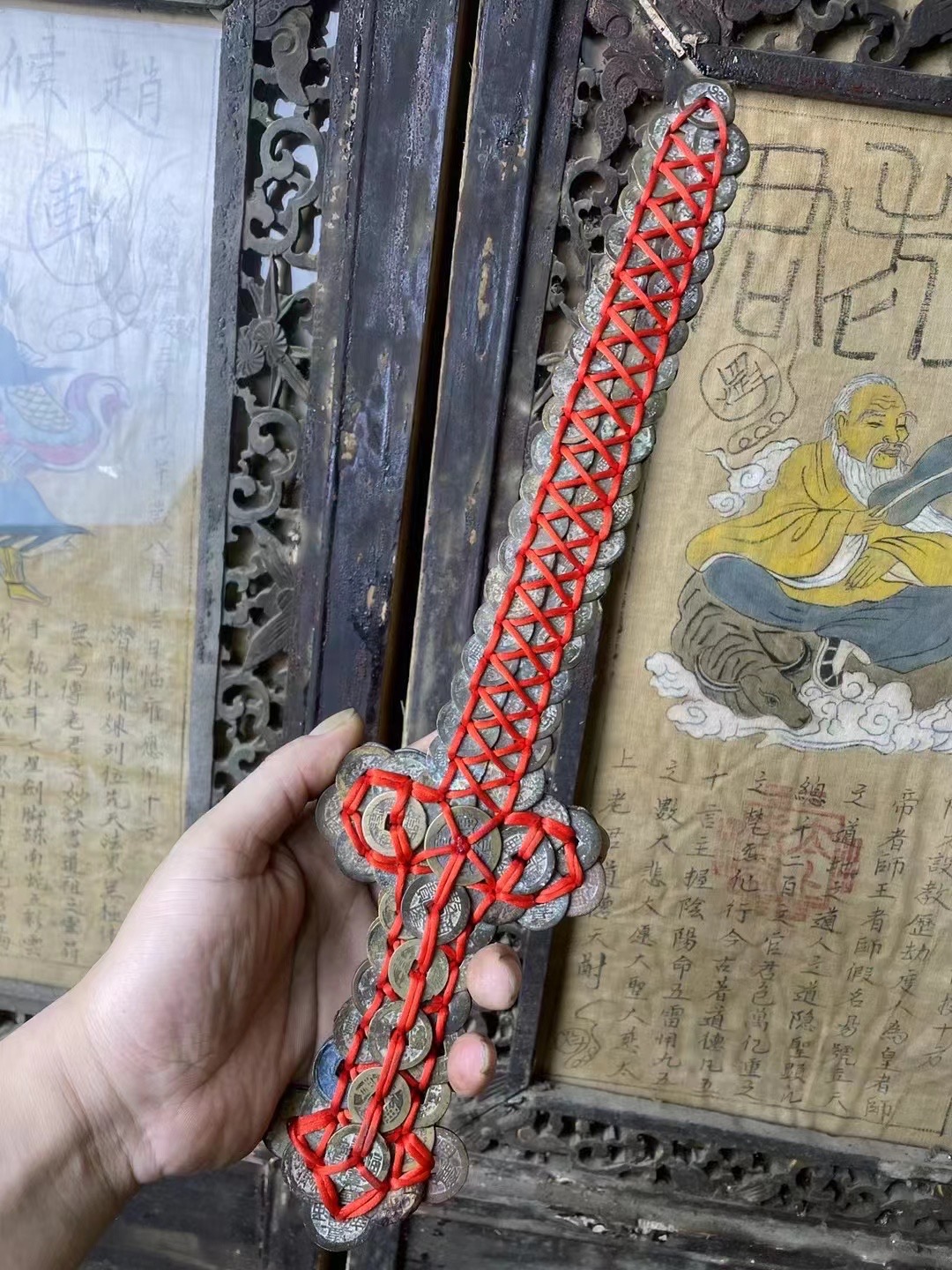
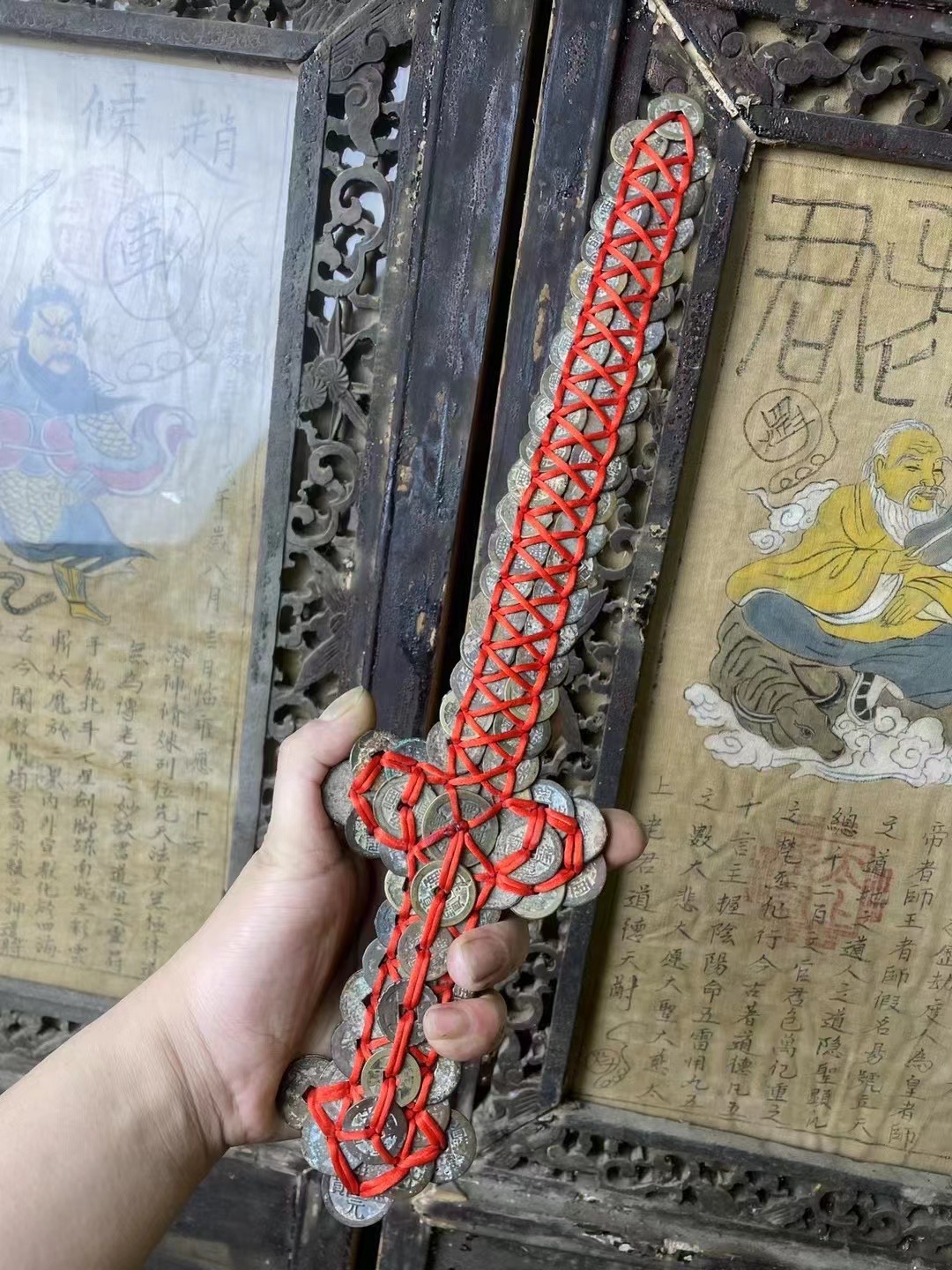
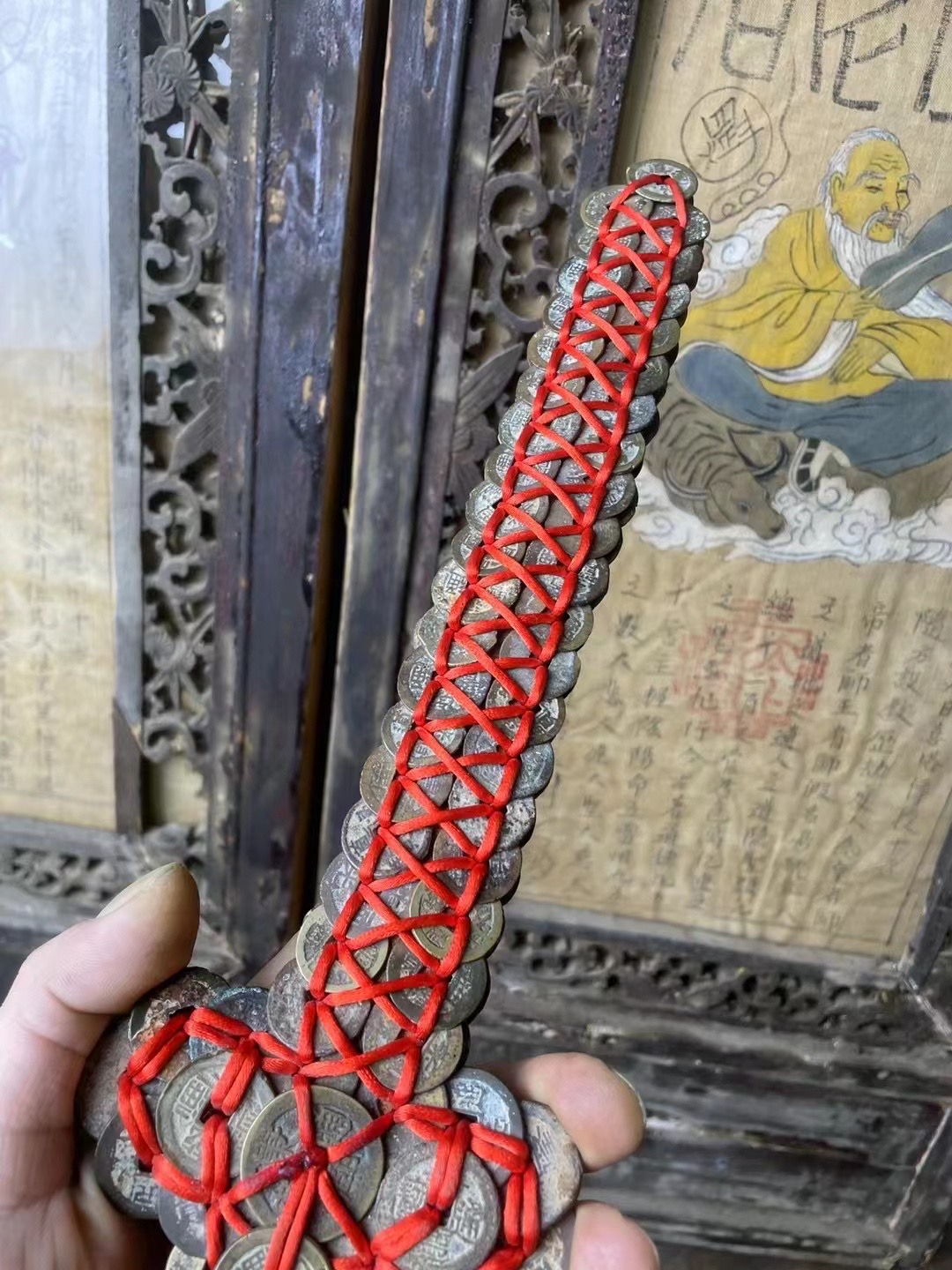
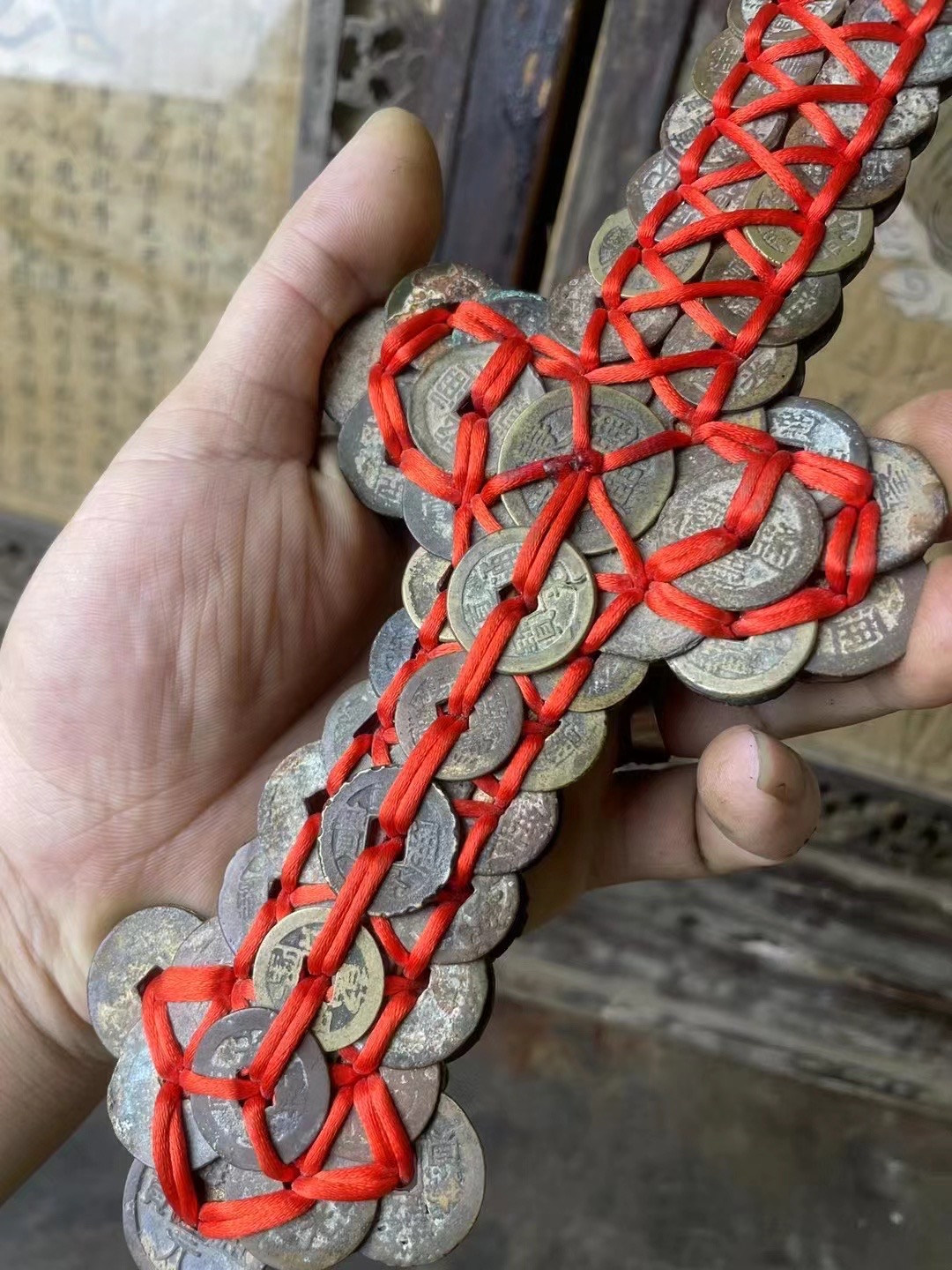
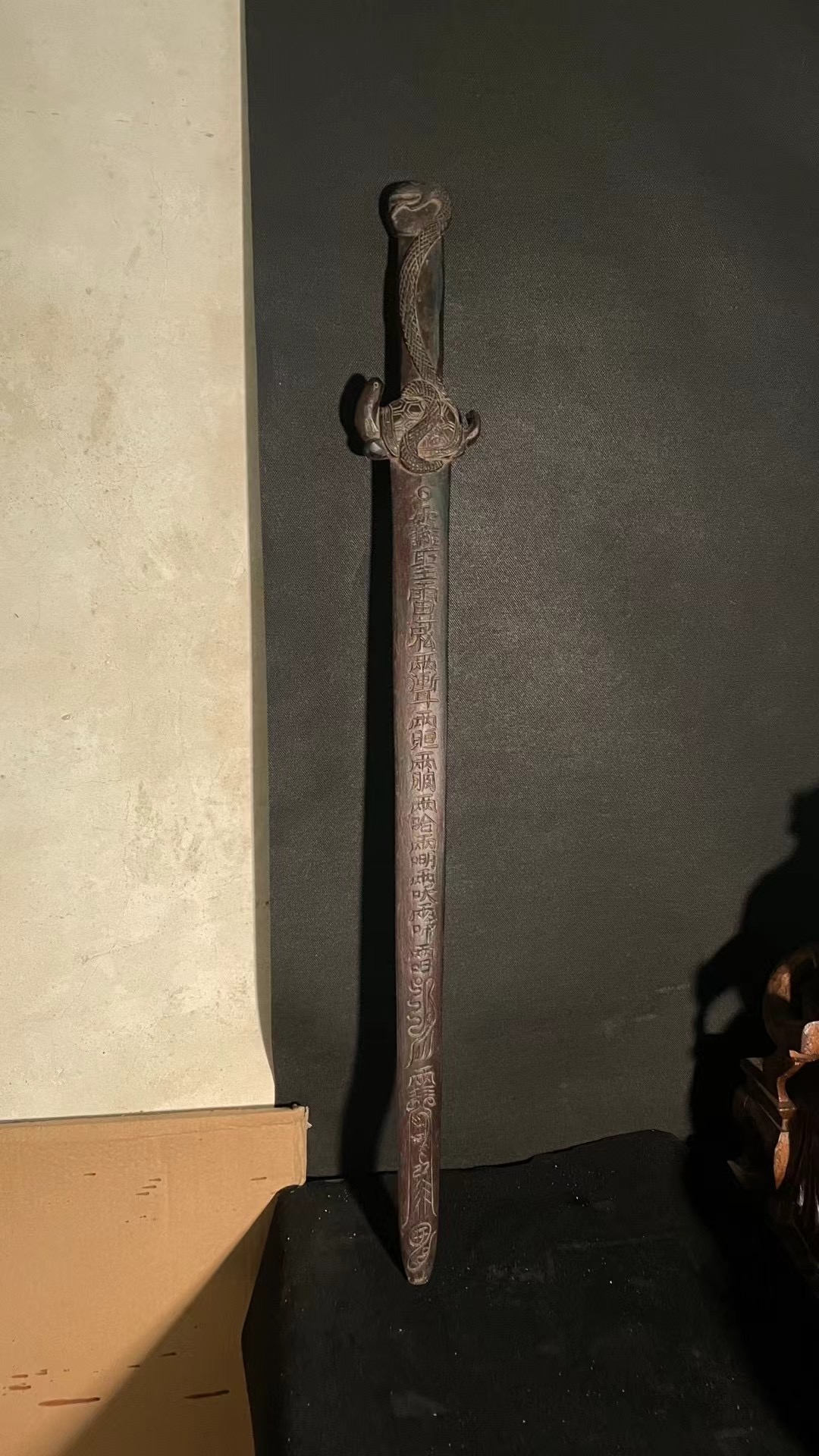
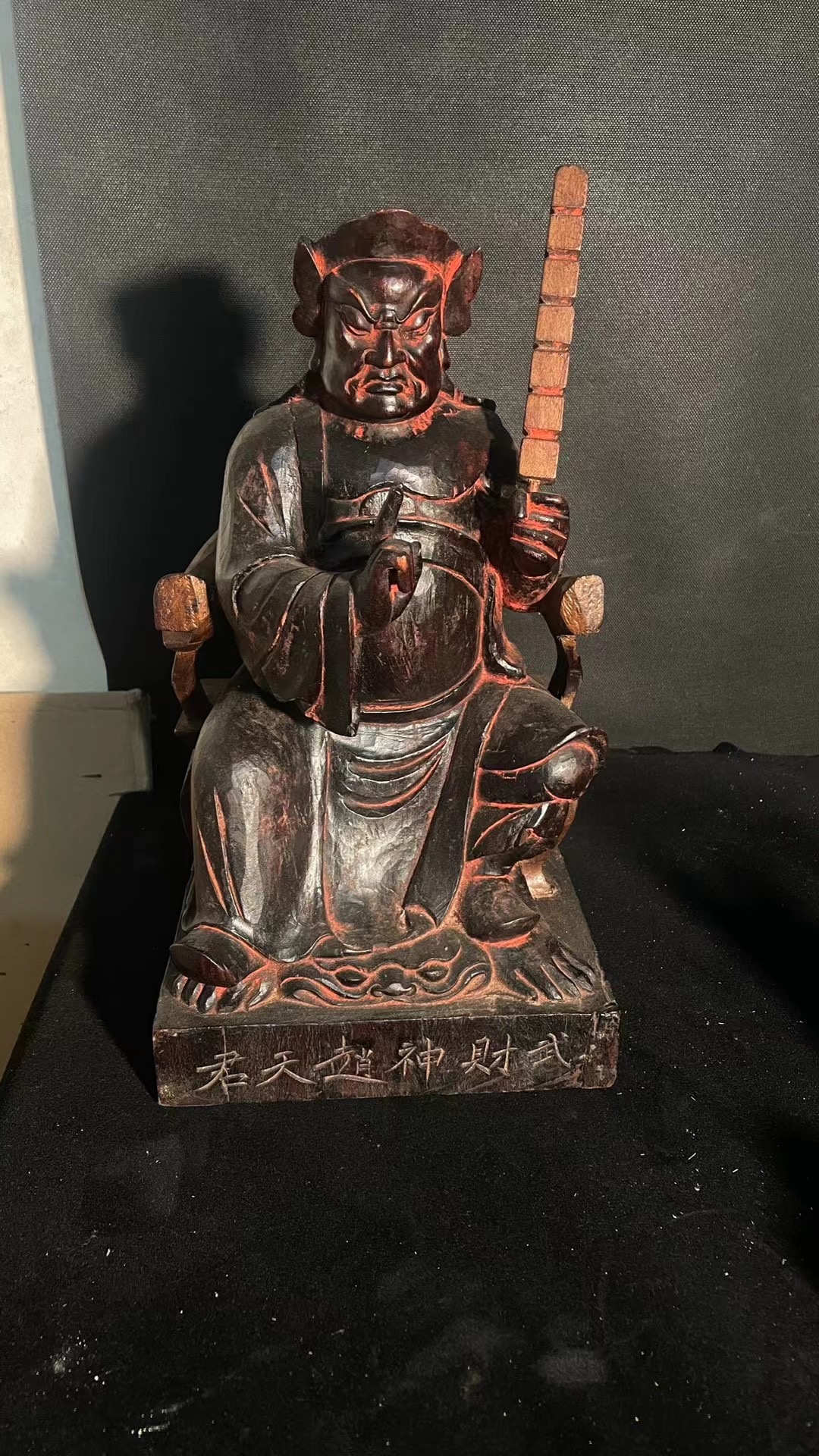
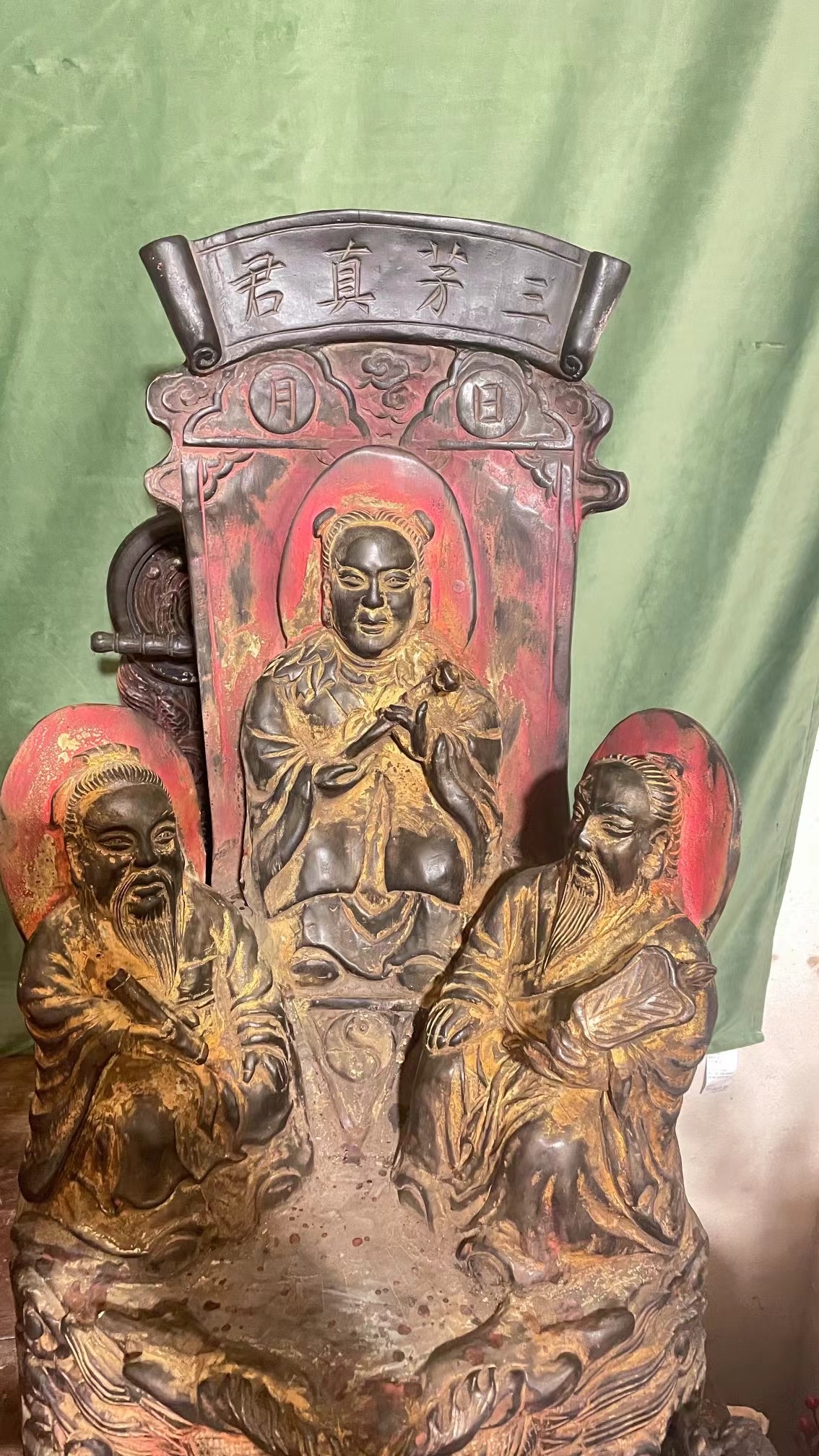
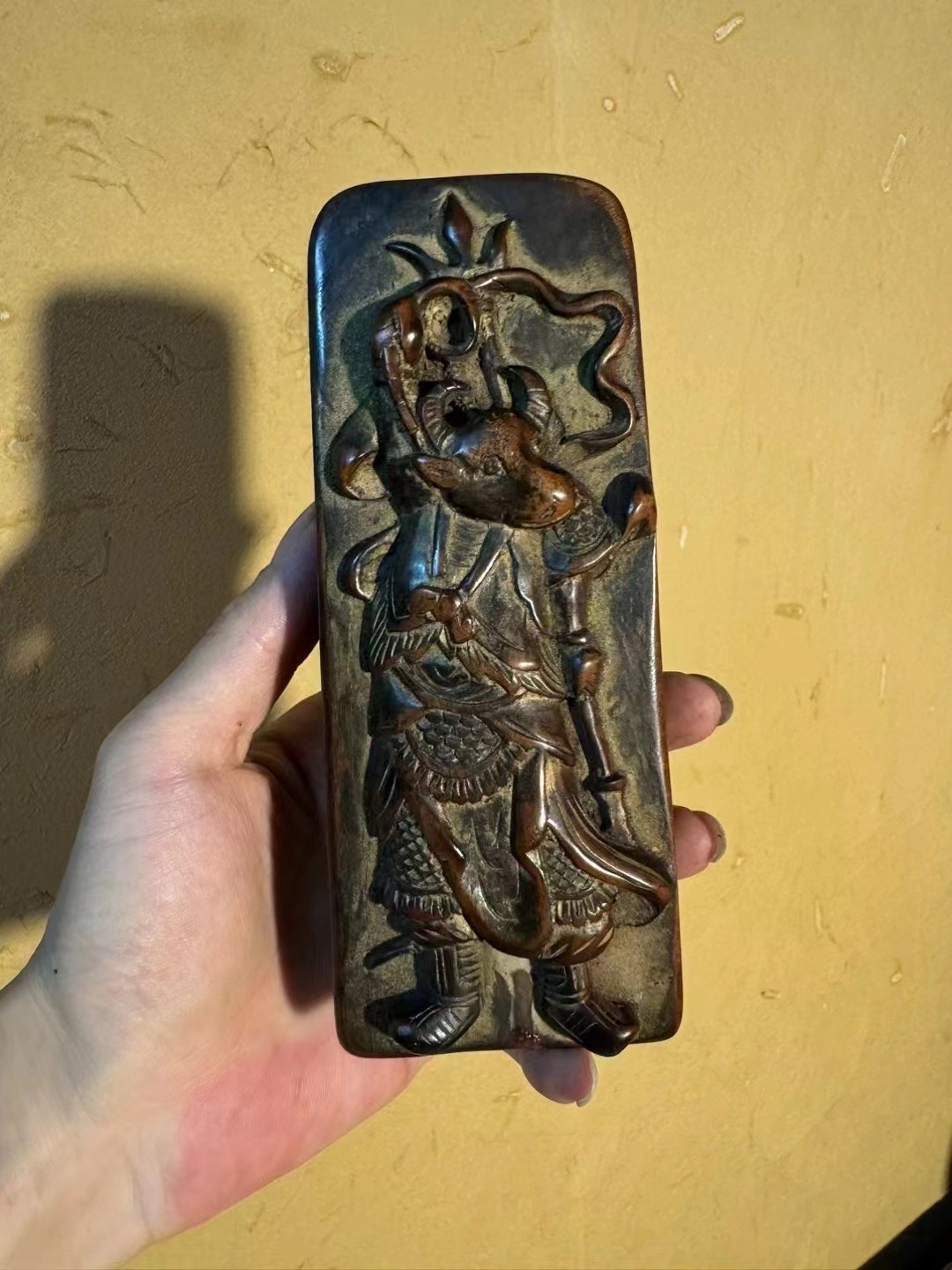
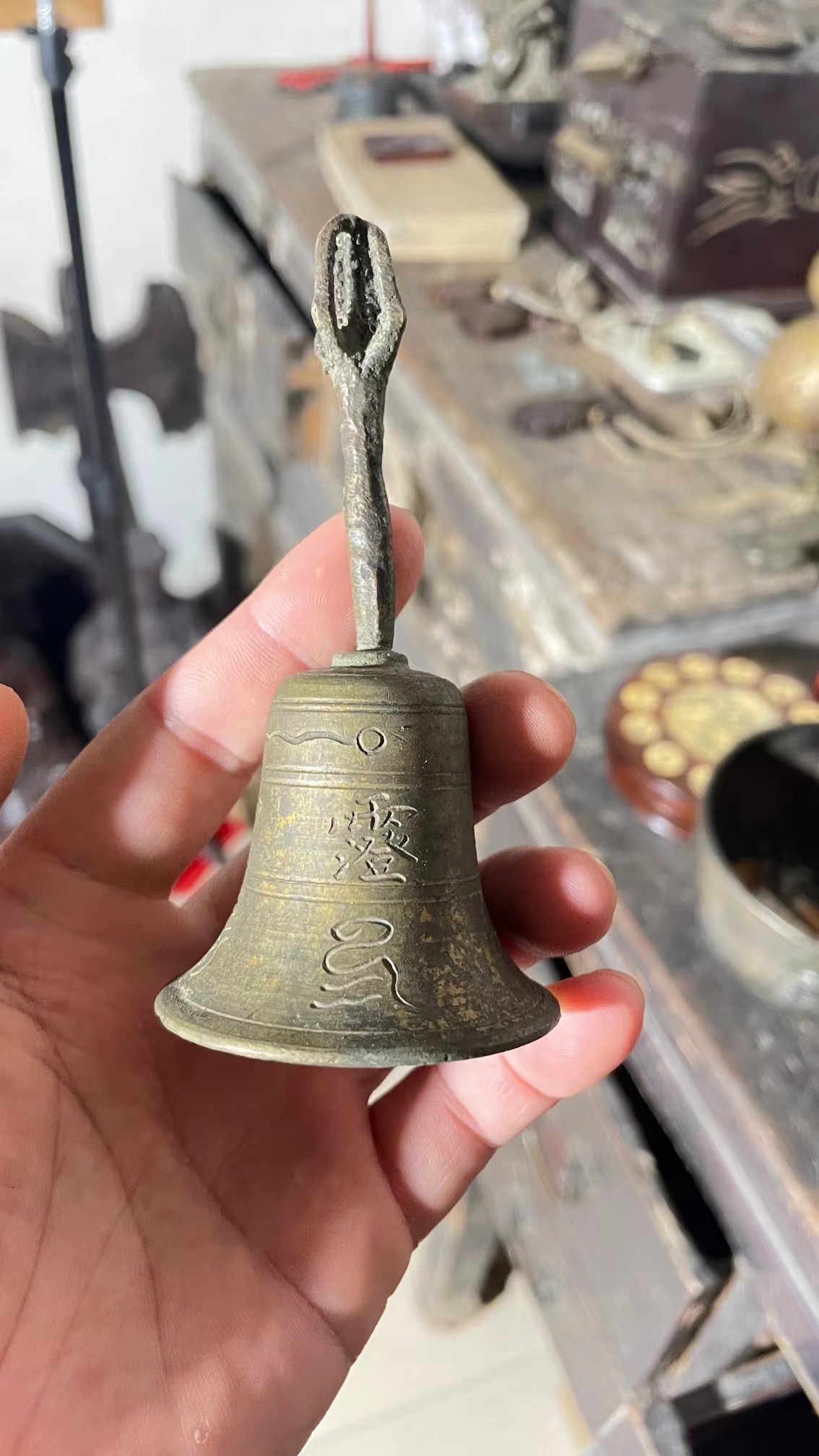
It is a unique weapon made from a string of bronze coins, with a strong religious and Taoist background. Although the exact origin of the Coin Sword remains unclear, many historical records and legends mention this special weapon. It frequently appears in religious ceremonies, battles between feudal lords, and traditional folk beliefs.
Functions and Effects
The Coin Sword (Bronze Coin Sword) has the following main functions and effects:
Suppressing evil spirits: The Coin Sword is believed to have a powerful effect in mitigating disasters and exorcising evil spirits, protecting its owner from harm and misfortune.
Personal protection: The Coin Sword is considered a protective talisman, providing its wearer with the ability to repel evil influences.
Bringing good fortune: Through blessing ceremonies, the Coin Sword is believed to bring good luck and blessings to its owner.
Martial arts practice: The Coin Sword can be used in ancient martial arts performances and real combat, demonstrating the skills of the warrior and providing effective results in battle.
Art pieces and collectibles: The exquisite craftsmanship and unique design of the Coin Sword make it a valuable work of art and collectible.
Legends
There are many legends about the Coin Sword (Bronze Coin Sword). One widely circulated legend tells the story of a Taoist priest who, with great courage, battled malicious spirits with a Coin Sword. Ultimately, he succeeded in banishing the evil spirits, saving the local villagers. This legend reflects the exorcising and protective roles of the Coin Sword in ancient Chinese society.
Another legend related to the Coin Sword involves an ancient valiant general. He led his army to a decisive victory in a crucial battle, partly attributed to the good fortune brought by his Coin Sword. This legend emphasizes how the Coin Sword was used as a symbol of blessings in ancient times.
These legends highlight the historical significance of the Coin Sword and its unique position in ancient Chinese martial arts and folk beliefs.
 Inquiry
 Inquiry
 Inquiry
 Inquiry
 Inquiry
 Inquiry
 Inquiry
 Inquiry
Copyright © 2026 By Taoist Treasures
 WhatsApp