
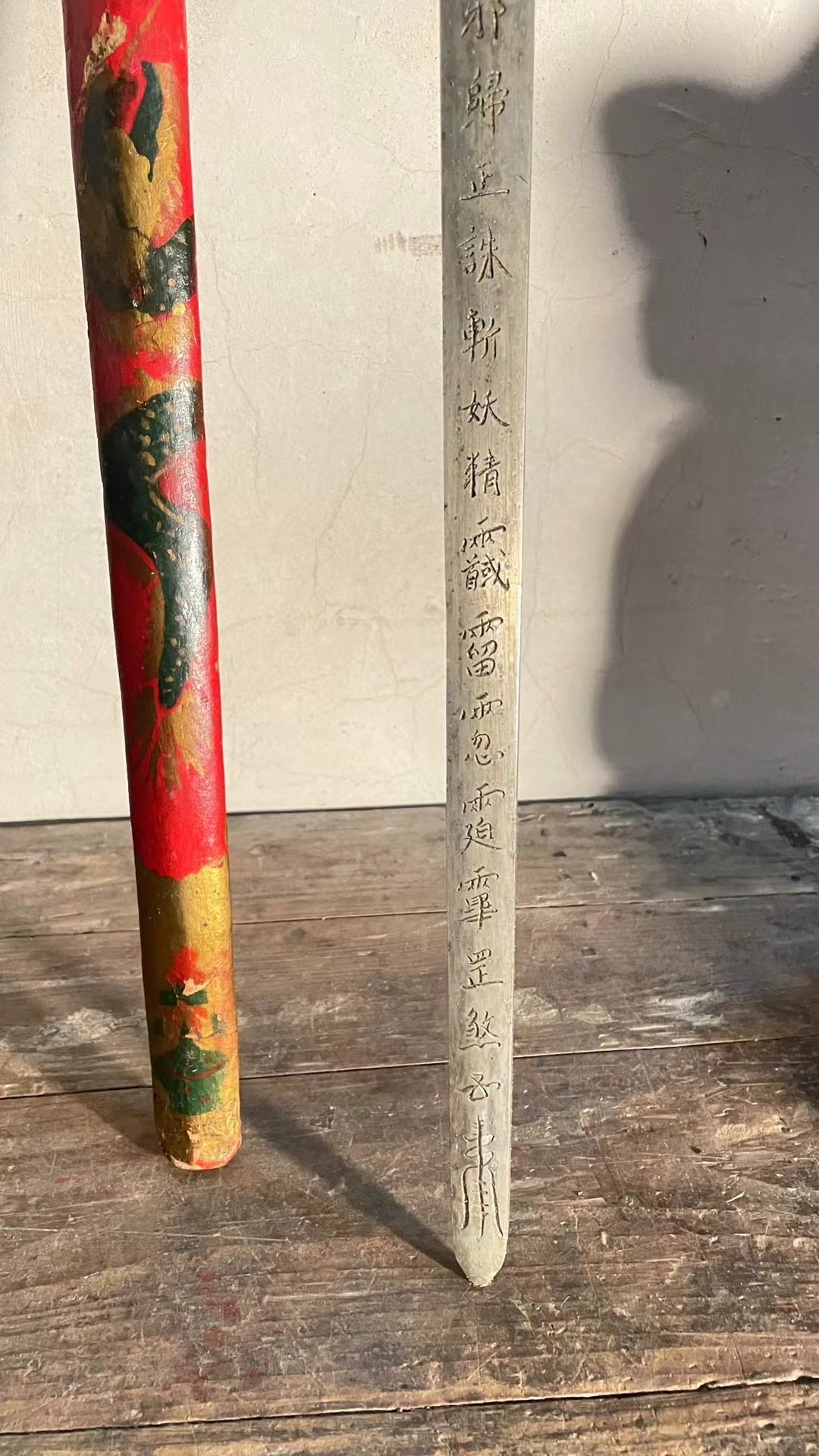
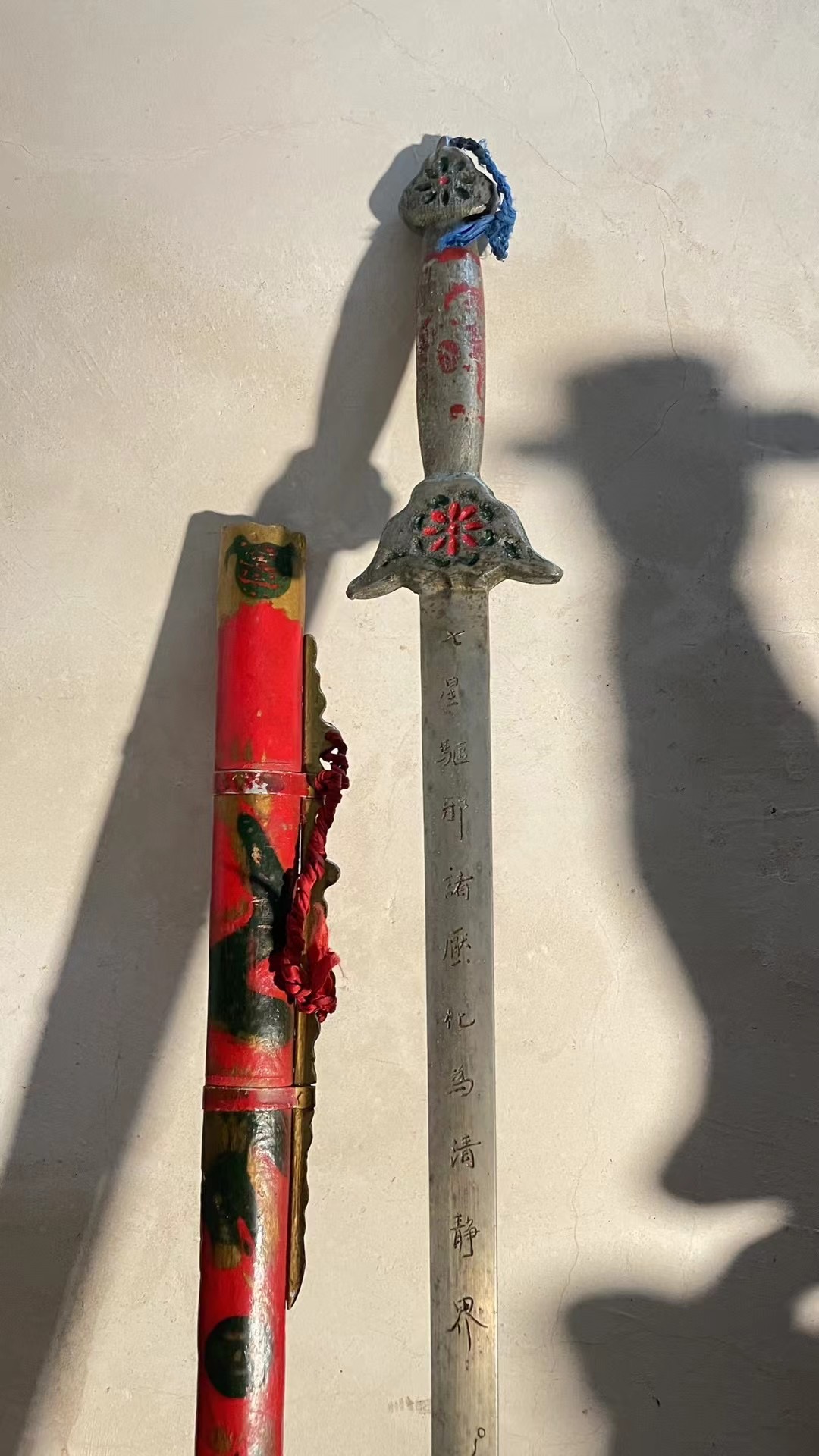
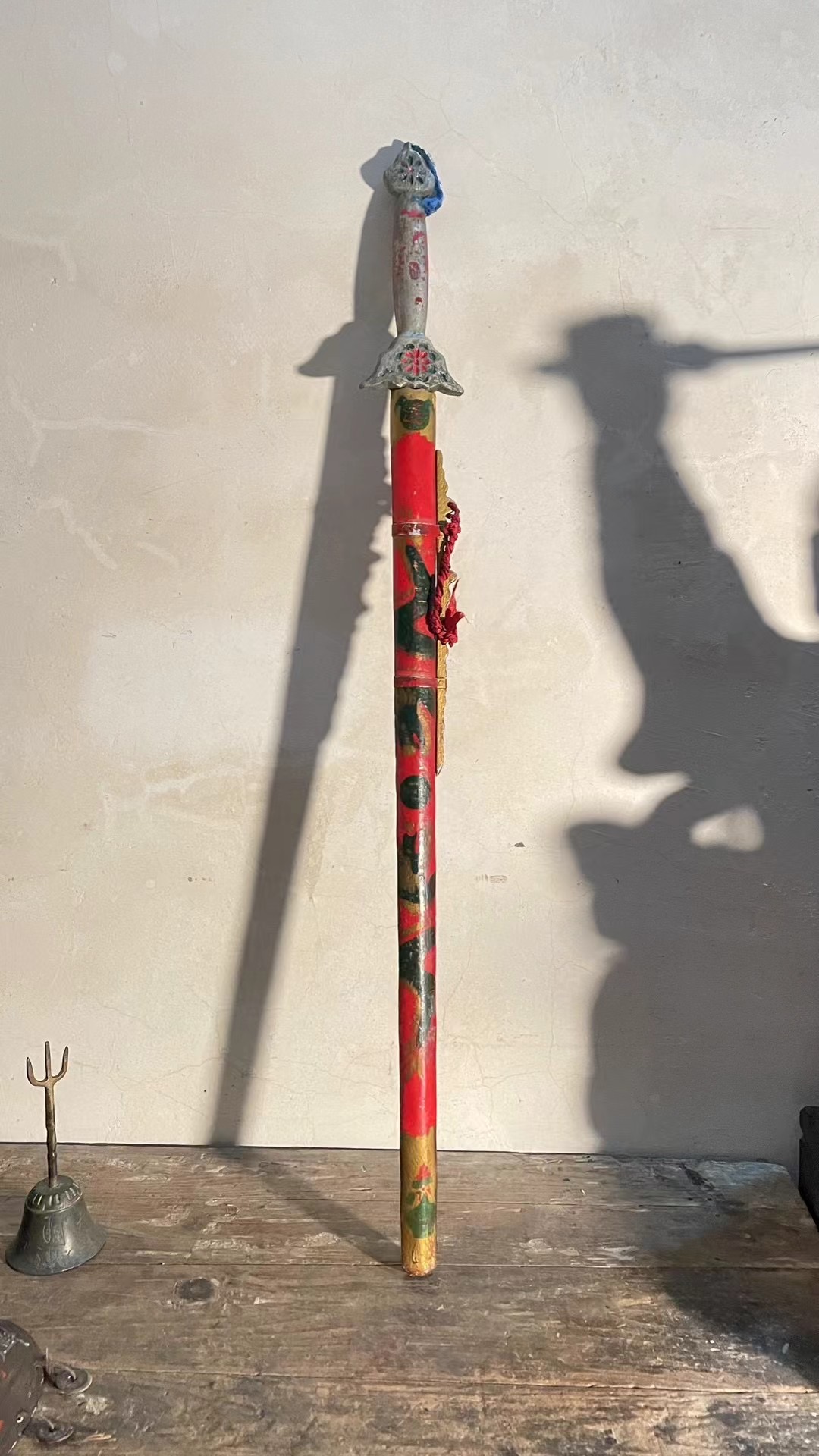
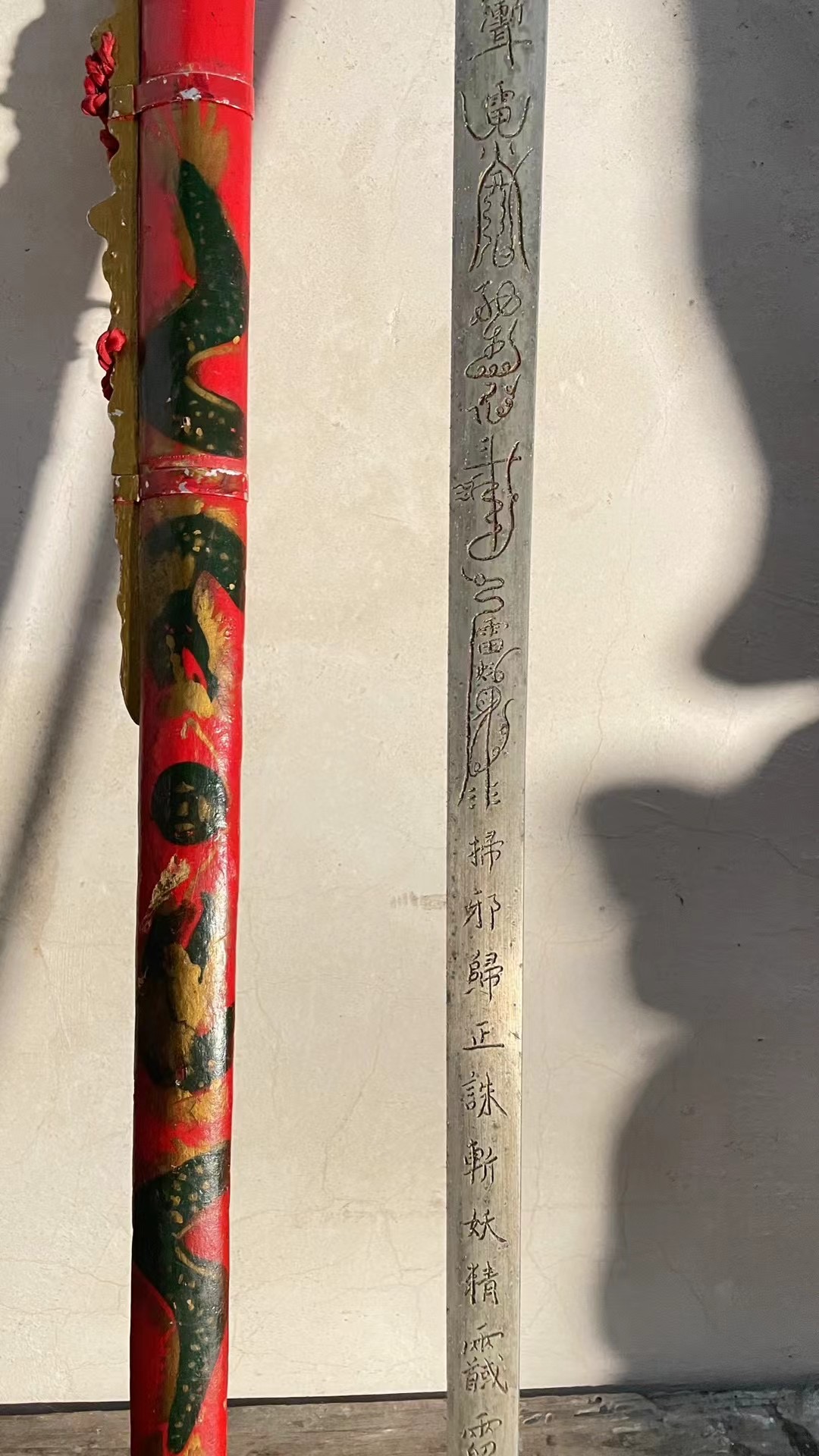
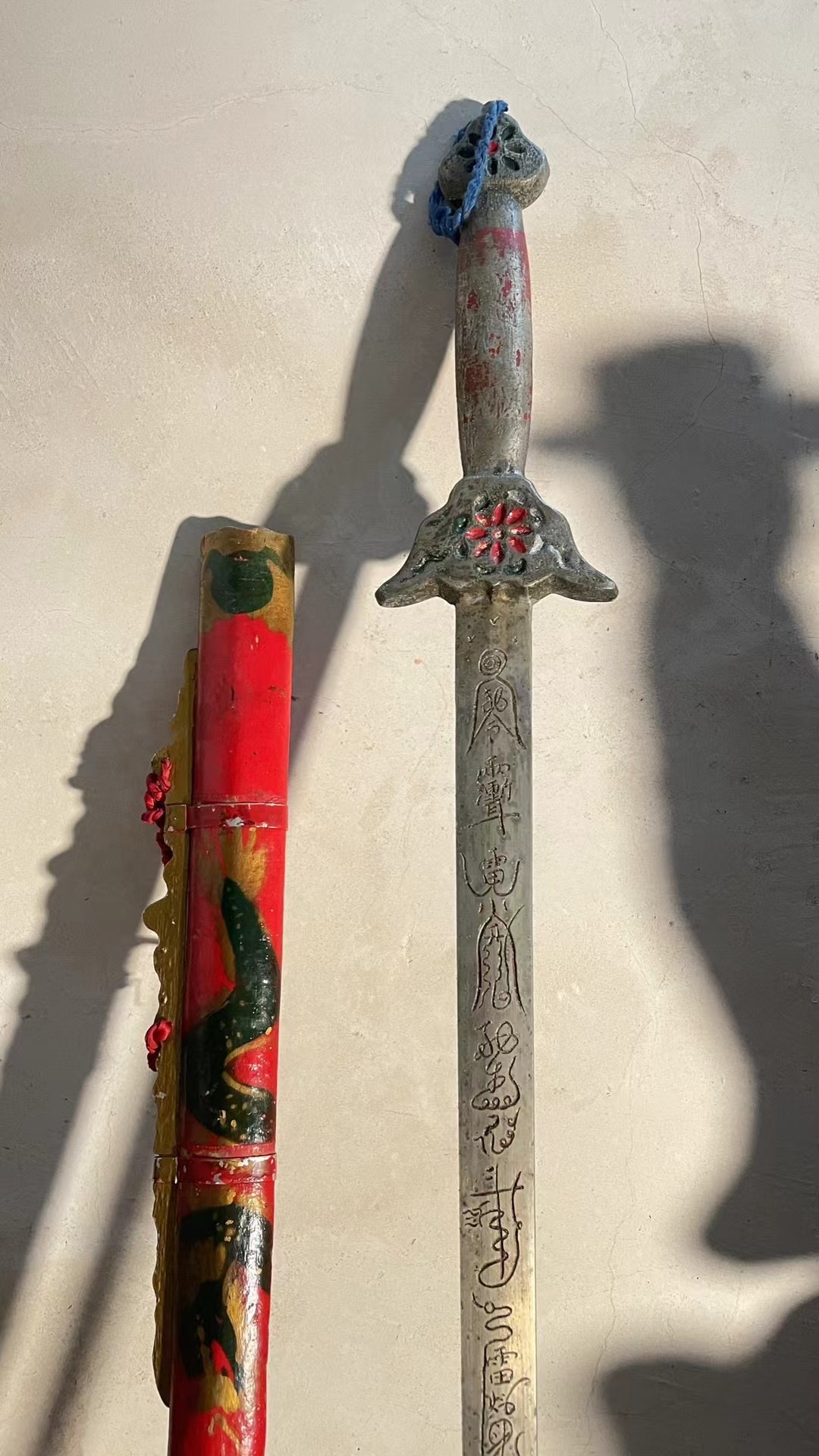
The following is an overview of the origin, functions, and legends associated with the Seven-Star Sword:
Origin:
The name and design inspiration for the Seven-Star Sword come from the prominent seven stars in Chinese culture, the Big Dipper. As an essential reference for navigation and time indication in ancient times, the Big Dipper holds profound cultural connotations. The Seven-Star Sword typically features seven protrusions or patterns on the blade representing the seven stars. Made from high-quality steel, ancient Seven-Star Swords required a high level of craftsmanship.
Functions:
Practical Function: The Seven-Star Sword is capable of cutting, stabbing, and defending, making it suitable for actual combat.
Symbolism and Auspicious Implications: The design of the Seven-Star Sword signifies the Big Dipper's mysterious power and auspiciousness. It is often used for martial arts performances, cultivation, or as a collectible item.
Related Legends:
The Legend of Fu Baoshi: It is said that Fu Baoshi, a famous painter from the Southern Song Dynasty, threw his Seven-Star Sword into a river as he fled from wars. He hoped the sword could find the power of light and justice to heal the local people ravaged by war. A miracle occurred: the Seven-Star Sword attracted the messengers of the Big Dipper, who descended to the mortal world to find heroes among the people, and together, they guarded the well-being of the people.
The Mysterious Swordsman: In a legend, a swordsman was inspired by the mysterious power of the Seven-Star Sword, which unleashed his formidable swordsmanship. Using the sword's power, he captured evildoers and brought peace and tranquility to local villages.
These legends emphasize the mysterious power and auspicious implications of the Seven-Star Sword. Passed down through generations, the Seven-Star Sword still holds great esteem and is collected as a treasure within the traditional Chinese weaponry culture today.
 Inquiry
 Inquiry
 Inquiry
 Inquiry
 Inquiry
 Inquiry
 Inquiry
 Inquiry
Copyright © 2026 By Taoist Treasures
 WhatsApp